
Monday, November 16, 2026Nov 16

New FDA chief cites promise of harder-to-abuse pain drugs

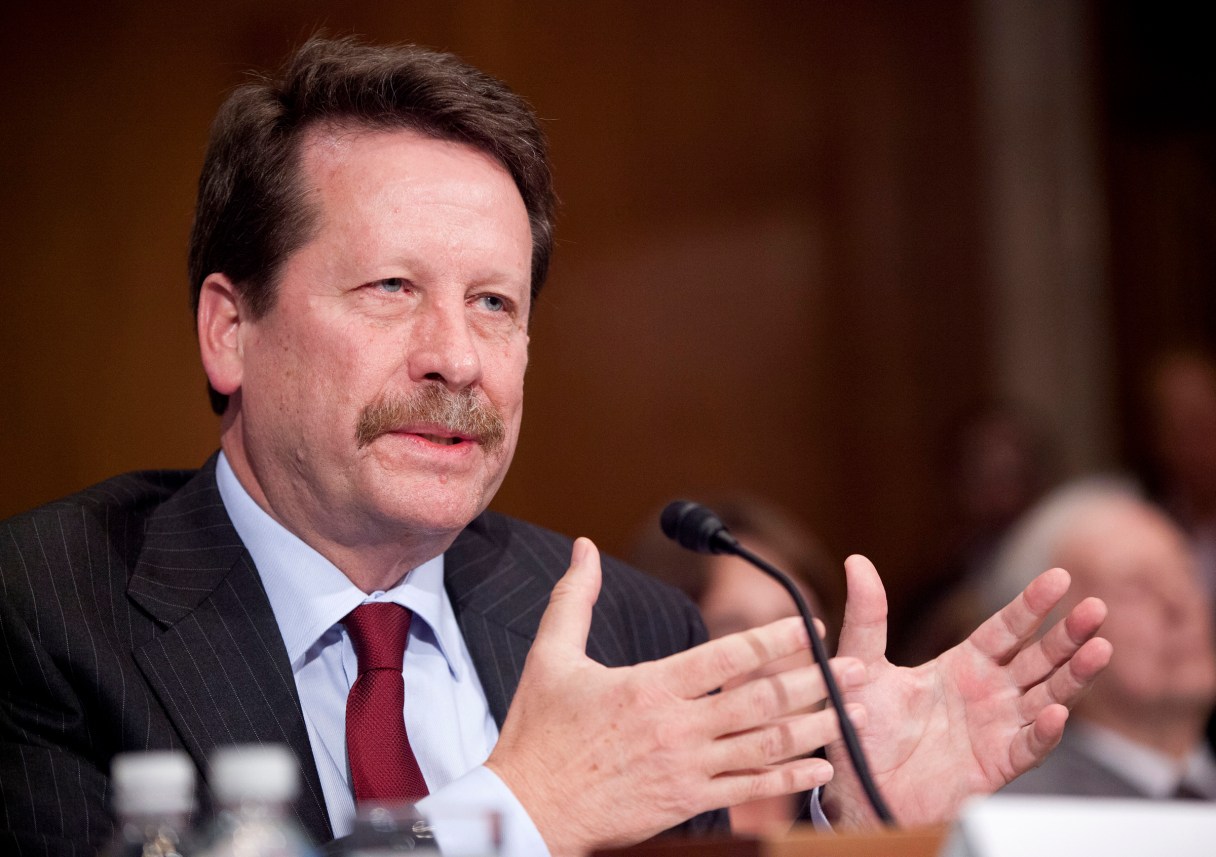
FILE - In this Tuesday, Nov. 17, 2015, file photo, Dr. Robert Califf, President Barack Obama's nominee to lead the Food and Drug Administration, testifies on Capitol Hill in Washington, before the Senate Health, Education, Labor and Pensions Committee hearing on his nomination. On Tuesday, March 1, 2016, Califf, the FDA's new commissioner, pledged to fully back efforts to develop harder-to-abuse painkillers, part of a sweeping government effort to reduce deadly overdoses tied to prescription pain medications. (AP Photo/Pablo Martinez Monsivais, File)

WASHINGTON (AP) – The Food and Drug Administration’s new commissioner is pledging to fully back efforts to develop harder-to-abuse painkillers, part of a sweeping government effort to reduce deadly overdoses tied to prescription pain medications.

Dr. Robert Califf told a panel of FDA advisers on Tuesday that his agency alone cannot solve the crisis of prescription drug abuse. But he pledged to do “everything possible under our authority to prevent abuse, save lives and treat dependence.”

Last week, the Senate confirmed Califf to head the FDA, overcoming objections from some senators that his agency has not done enough to combat painkiller abuse.

In remarks at FDA’s headquarters, Califf laid out his strategy for addressing the epidemic of abuse tied to opioids, which include both legal pain drugs and illegal narcotics like heroin. In 2014, fatal overdoses tied to those drugs climbed to about 28,000, the highest number on record, according to public health officials.

“What we can do is work with prescribers, professional associations, patient advocates and state and local partners – essentially the entire country – to encourage safe use and disposal of opioid medications,” Califf said.