

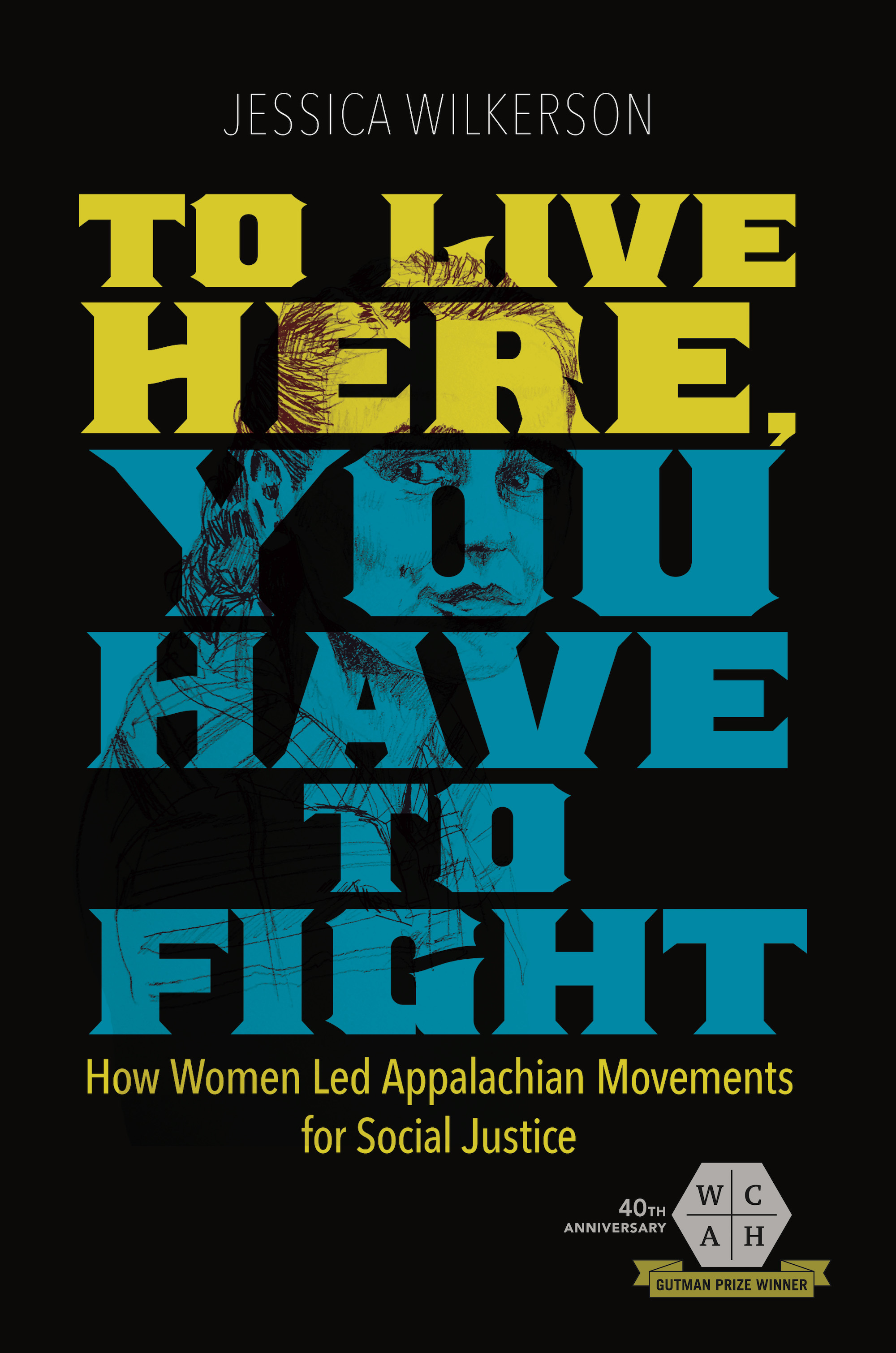
 Jessica Wilkerson is the author of “To Live Here, You Have To Fight: How Women Led Appalachian Movements for Social Justice.” / University of Illinois Press
“TO LIVE HERE, YOU HAVE TO FIGHT: HOW WOMEN LED APPALACHIAN MOVEMENTS FOR SOCIAL JUSTICE” by Jessica Wilkerson (University of Illinois Press, 280 pages, $28).
In the epilogue of “To Live Here, You Have To Fight: How Women Led Appalachian Movements for Social Justice,” Jessica Wilkerson asserts that the women she profiles “ushered in a web of activism that pulsed outward from a core ethic of care.” These women fought for workers’ rights, access to health benefits and a less damaging corporate approach to the landscapes of their birth. They challenged powerful authorities and fueled these movements with their concern for their communities’ well-being.
Through this study, Wilkerson – a native of East Tennessee who now teaches history and Southern Studies at the University of Mississippi in Oxford – sets out to show that women were consistently present, active and influential in social-justice and labor movements in 20th-century Appalachia. They brought with them the insistence that their roles as caregivers be counted as worthy aspects of citizenship. In other words, she writes, “the act of caregiving animated their understanding of politics and activism and infused their movements.”
Wilkerson focuses her work on the anti-poverty, welfare-rights and labor-union movements of a few counties in Eastern Kentucky, including storied Harlan County, known for contentious, sometimes violent struggles over the unionization of the coal industry. Wilkerson’s study begins by tracing the roles women played in these movements during the first half of the 20th century, leading up to Lyndon Johnson’s declaration of the “War on Poverty” in 1964.
That legislation led to a range of social programs available to Appalachia, drawing more women into activism. The book details not only the effects of these federal programs but also the longer-term impact of the grassroots efforts that flourished during that era. Women fought for workplace protections of miners’ safety, continued health care for retired miners whose bodies had been destroyed after decades of hazardous work and anti-poverty measures that aided these communities’ poor children. Consistently, Wilkerson depicts caregiving labor as a dynamic, public act.