
 This July 27, 2014, photo provided by U.S. Customs and Border Protection shows Tashfeen Malik, left, and Syed Farook, as they passed through O’Hare International Airport in Chicago.
NEW YORK – A federal judge ruled Monday that the U.S. Justice Department cannot use a 227-year-old law to force Apple to provide the FBI with access to locked iPhone data, dealing a blow to the government in its battle with the company over privacy and public safety.
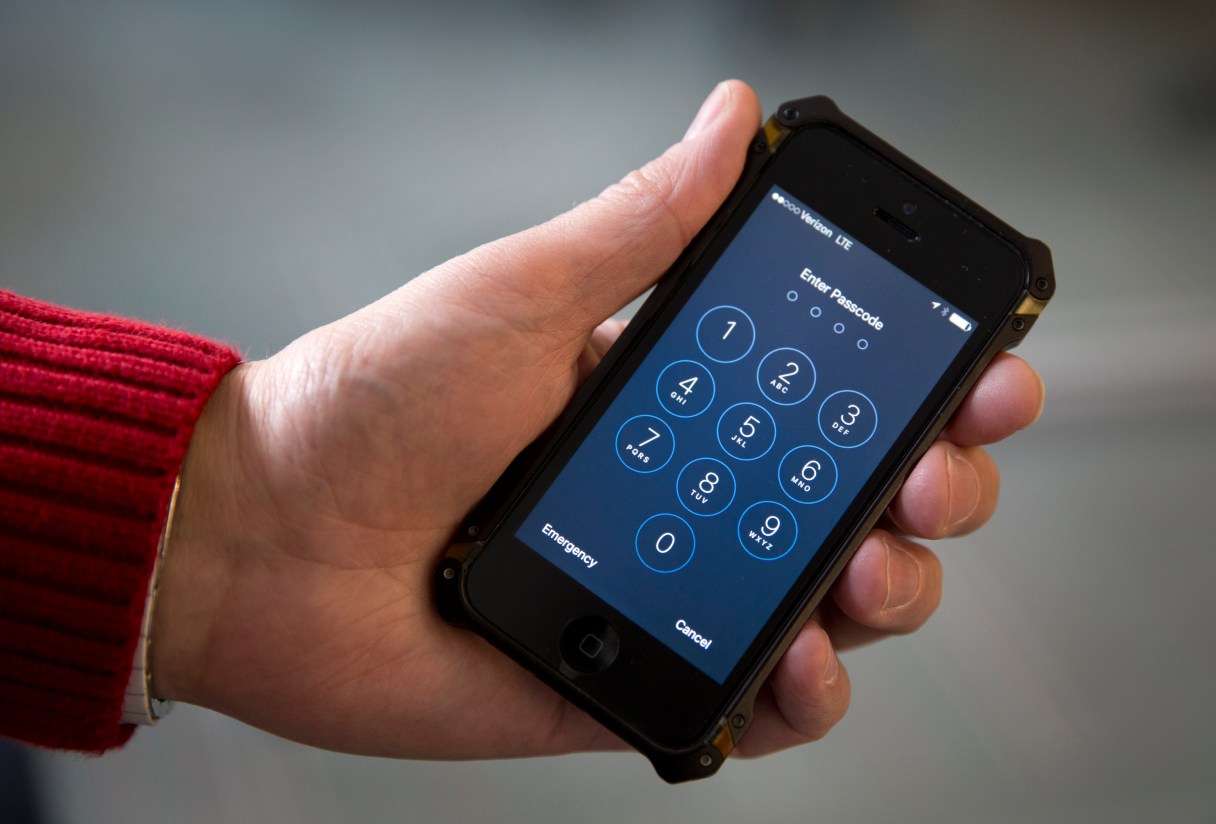
The ruling, by U.S. Magistrate Judge James Orenstein, applied narrowly to one Brooklyn drug case, but it gives support to the company’s position in its fight against a California judge’s order that it create specialized software to help the FBI hack into an iPhone linked to the San Bernardino terrorism investigation.
Orenstein belittled some government arguments, saying attorneys were stretching an old law “to produce impermissibly absurd results.”
He rejected government claims Apple was only concerned with public relations. He said he found no limit on how far the government would go to require a person or company to violate the most deeply-rooted values.
And he said claims that Apple must assist the government because it reaped the benefits of being an American company “reflects poorly on a government that exists in part to safeguard the freedom of its citizens.”