
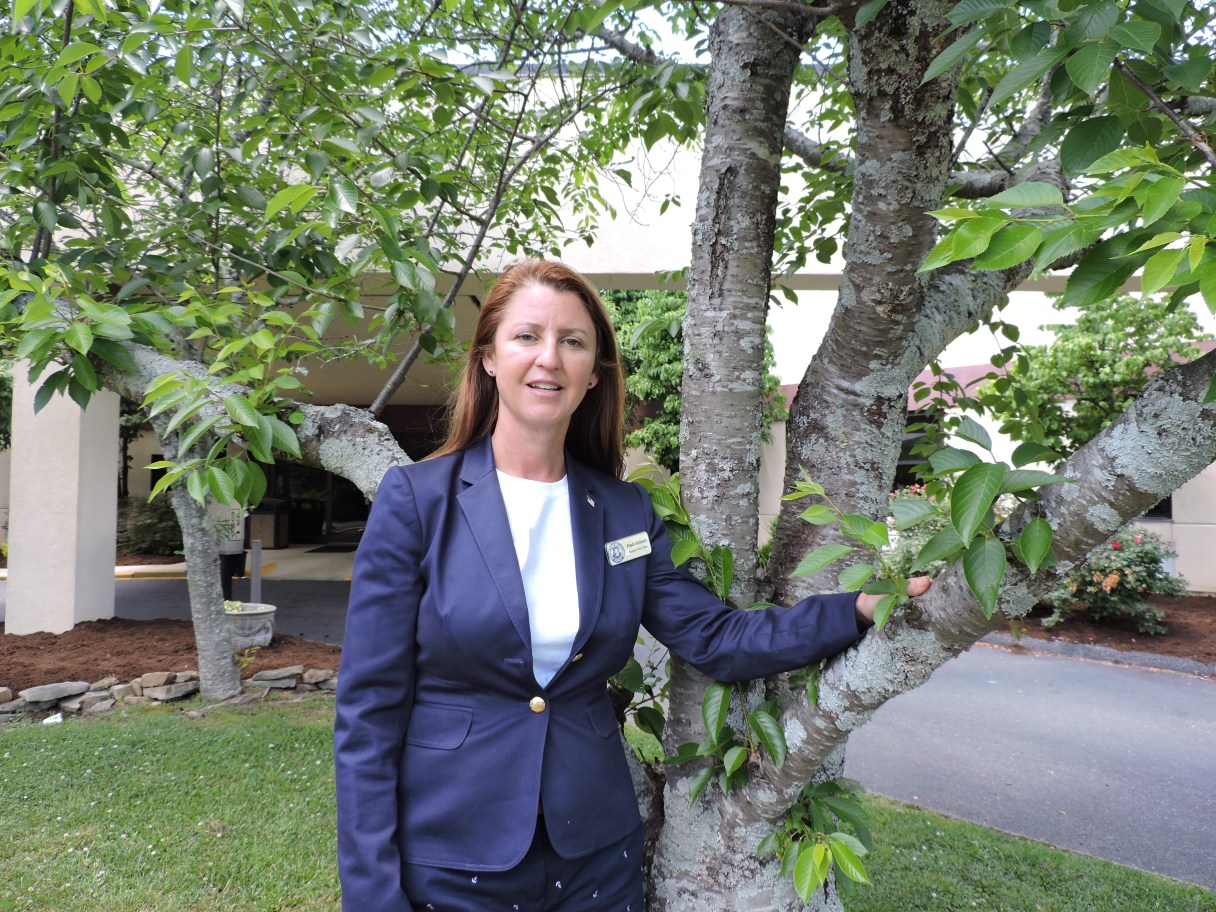
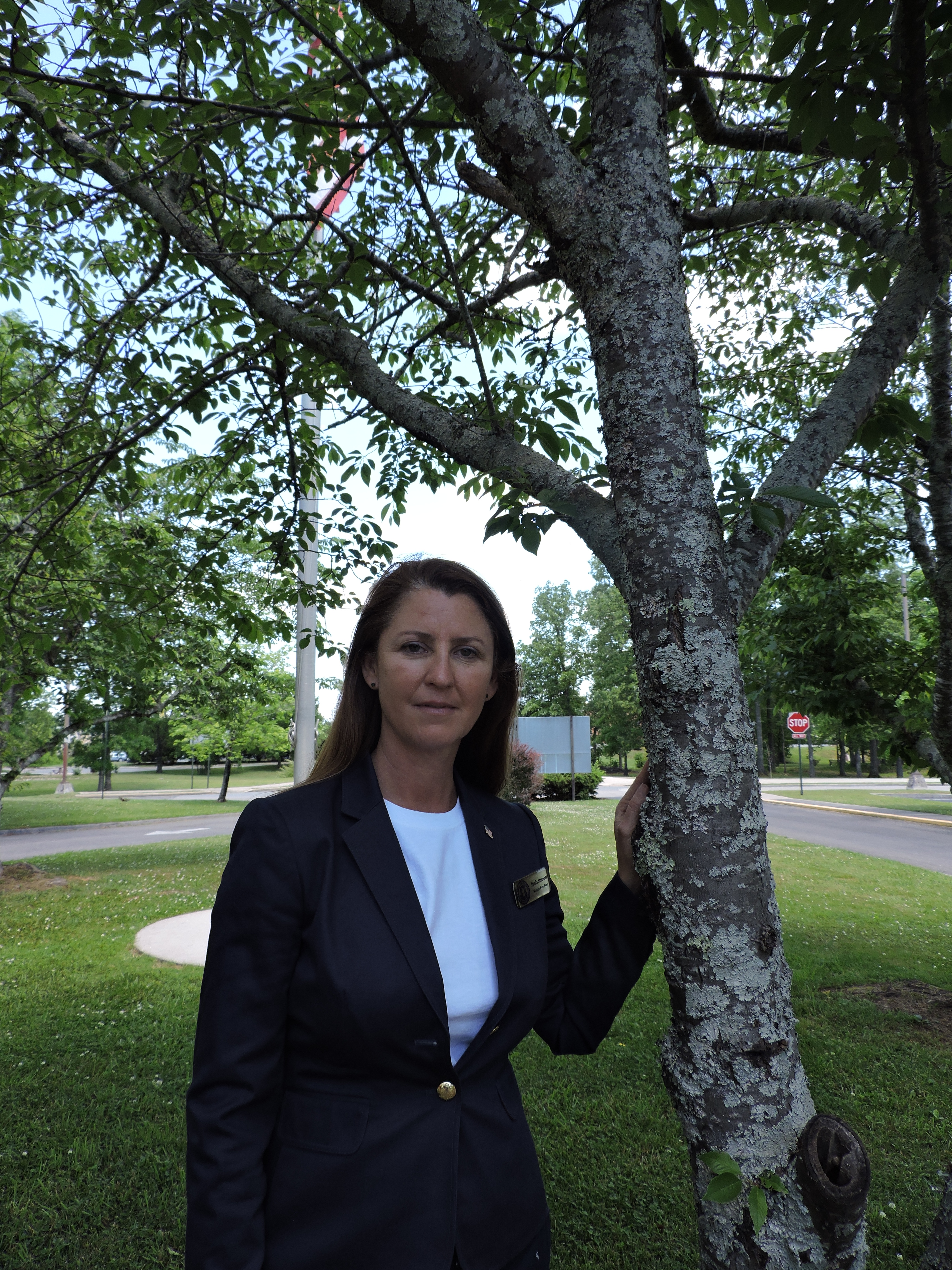
 Fort Oglethorpe Mayor Pro-Tem Paula Stinnett is part of the new Fort Oglethorpe Tree Council. Fellow members are Jim Staub, Pete Tapley, Shane Catlett, Bryan Iler, Wes Stokes and Blue Smith.
Fort Oglethorpe was recently designated a Tree City USA, and is now forming a city Tree Council.
Tree City USAs, of which there are more than 3,400 nationwide, according to the consortium’s website, must meet “four core standards of sound urban forestry management: maintaining a tree board or department, having a community tree ordinance, spending at least $2 per capita on urban forestry and celebrating Arbor Day.”
Fort Oglethorpe Mayor Pro-Tem Paula Stinnett, who wrote the proclamation declaring the city a Tree City, said the Tree Council will work in conjunction with the Georgia Forestry Commission.
“When a city is landscaped it blooms spring, summer and fall and it’s a place you want to come,” said Stinnett. “It’s aesthetically pleasing and people want to live there and conduct business. People want to shop and live in places where trees are. We will plant trees and groom trees. The idea is to provide safe and beneficial community areas.”
Since tree planting time is in the fall, she said, in the meantime the council will research what types of trees can be planted in the city. The Tree Council can only plant trees on city property, Stinnett noted.
Financial assistance for the project will come from Tree City USA. The city will qualify for state and federal grants for tree planting.
“It’s not just about planting trees, it’s about maintaining trees too,” added Stinnett. “We will make sure trees are healthy. We will analyze trees to see which ones need to be removed before it is uprooted by a storm. I’d like to see more trees along our walking paths. I’d like to see more trees in our business development areas. I would also like to see more trees in pocket parks in side park areas.”
She said the Tree Council will meet once a month to support and manage the city’s public trees, which includes storm mitigation planning. So if a disaster strikes, the council will be able to tell FEMA what to do for Fort Oglethorpe. The Tree Council will work with Catoosa County 9-1-1 Director Doug Flury and Forestry Service-certified arborist Nancy Lovingood.
“There are trees you plant in certain areas for certain reasons,” said Stinnett. “Bald Cypress trees can soak up gallons of water, and some areas flood. So we should plant those trees in areas that have flood problems.”
The “Making the Shade” program is another example of how trees can be purposefully used. It funds plantings of shade trees at middle and elementary schools to help cool playgrounds and keep children safe on playground equipment.
According to Stinnett’s Arbor Day proclamation, trees improve air and water quality, reduce the erosion of precious topsoil, increase property values and economic vitality in business areas, increase energy efficiency through shade, habitat for wildlife and beauty to communities.
“Trees promote human, physical and mental health and well-being, create healthier environments for children to live, study and play and encourage social interaction in a peaceful atmosphere,” said Stinnett. “All of Georgia benefits from forestry, which contributes $28.7 billion annually to our state’s economy and provides employment for more than 129,000 people. Nathan Deal, governor of the State of Georgia, proclaimed an Arbor Day in Georgia and encouraged our citizens to plant trees, thus leaving a legacy for present and future generations.”
According to Stinnett, there were 135 Tree Cities in Georgia in 2014.