
With inflation at a 40-year high, politicians understandably want to ease inflationary pains.
The good news is that federal lawmakers can help by paring back deficit-financed spending and removing government-imposed barriers to work and economic activity.
The bad news is that many politicians are instead looking for “easy” artificial fixes, like temporarily suspending the federal gasoline tax or mandating higher minimum wages, which could make things worse.
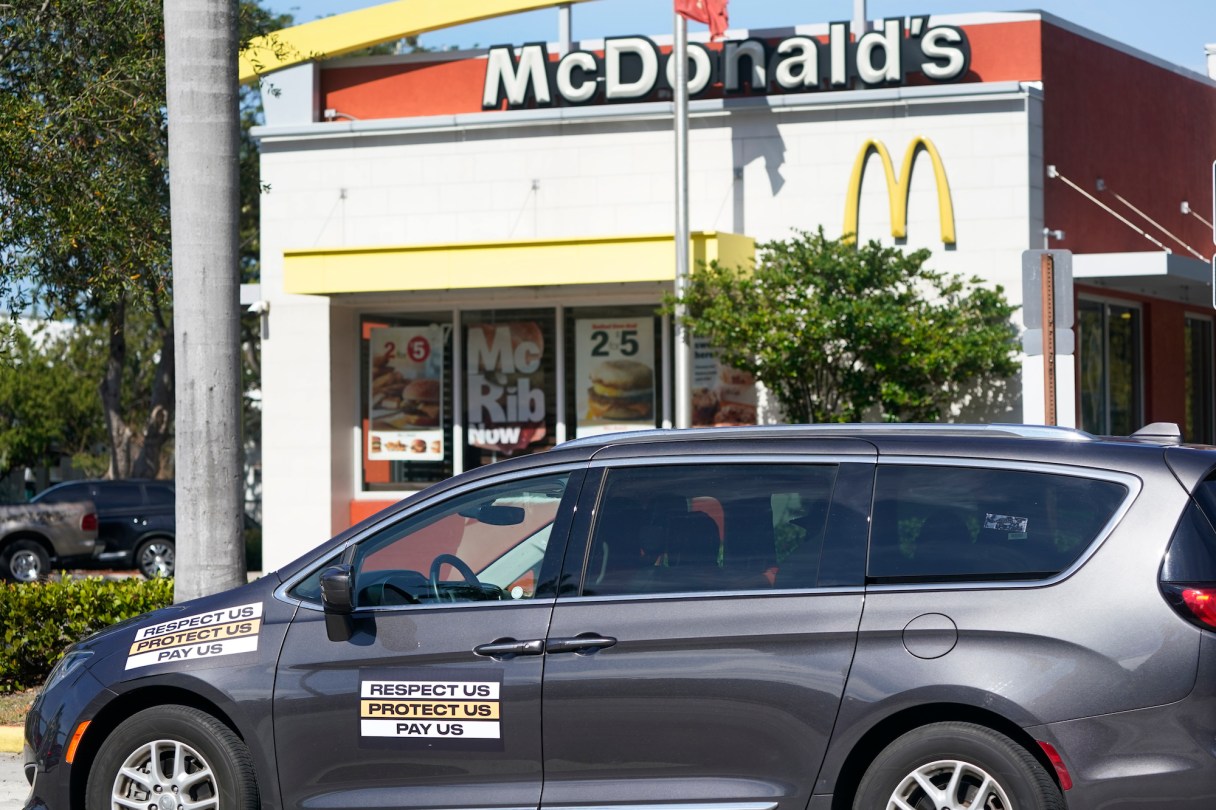
Take President Joe Biden’s recent executive order requiring a $15 minimum wage for all federal employees and federal contractors.
$15 per hour doesn’t seem like all that much, and since inflation hurts lower-income Americans the most (because they spend a higher portion of their income), it might seem like a good idea to mandate higher minimum wages.
The problem, however, is that higher wages that come from government command, instead of market demand, can end up hurting the people they aim to help and lead to all sorts of unintended consequences.
One of those unintended consequences is higher inflation.
Misguided COVID-19 policies, which functioned as artificial wage increases, demonstrate how artificial wage increases cause higher prices.
The widely available and super-sized pandemic unemployment insurance benefits functioned like a massive minimum-wage increase. With two-thirds of unemployed workers able to make more from unemployment than from working, employers had to raise wages to get the workers they needed.
Higher wages are a great thing if they come as a result of workers becoming more productive. But if employers have to pay people more to do the exact same thing, they have to raise prices.
A whopping 48% of employers reported that they increased compensation in December 2021, and 32% said they planned to raise compensation over the next three months.
While workers’ median hourly wages are up 5.7% over the past year, 7.5% inflation has more than erased those gains.
The White House’s statement announcing the $15 federal minimum claims “we know that higher wages boost productivity.”
If that’s true, why wouldn’t companies have $100, or even $1,000 minimum wages?
The president is correct that wages are linked to productivity – but he’s got the relationship reversed; higher productivity boosts wages. And education, experience, and investments in technology – not government laws – are the keys to productivity gains.
Minimum-wage jobs aren’t career aspirations, and they certainly aren’t enough to support a family. Fortunately, few workers remain in minimum-wage jobs for long, and only 0.07% of workers in the U.S. are single parents living in poverty while earning the minimum wage.
But minimum wage jobs have been important stepping stones for many Americans (myself included) to gain the experience necessary to move up the income ladder. Cutting off the bottom rungs of the ladder through minimum wage laws would be especially harmful for individuals with disabilities, limited English language abilities, criminal histories or limited education.
There are better ways to help workers achieve higher incomes, such as by expanding alternative forms of education, reducing unnecessary regulations so that businesses can invest more in workers; and opening doors to entrepreneurial opportunities for lower-income workers by reforming occupational licensing laws and allowing all types of workers the freedom to contract.
They certainly beat boosting the minimum wage, which does more harm than good.
Tribune Content Agency