

Ask the residents of Holly Hills, a Hamilton County neighborhood devastated by an EF-3 tornado on Easter Sunday in 2020 what they miss most, and it won’t be the cookie-cutter, split foyer houses. And it probably won’t be the neighborhood pool. It will be the many trees that were ripped up and out on that terrifying evening.
Ask adults what they remember about trips to amusement parks during their youth, and one of the memories might be how hot all that asphalt was in mid-summer — sticky hot — and how the few trees around didn’t provide nearly enough shade.
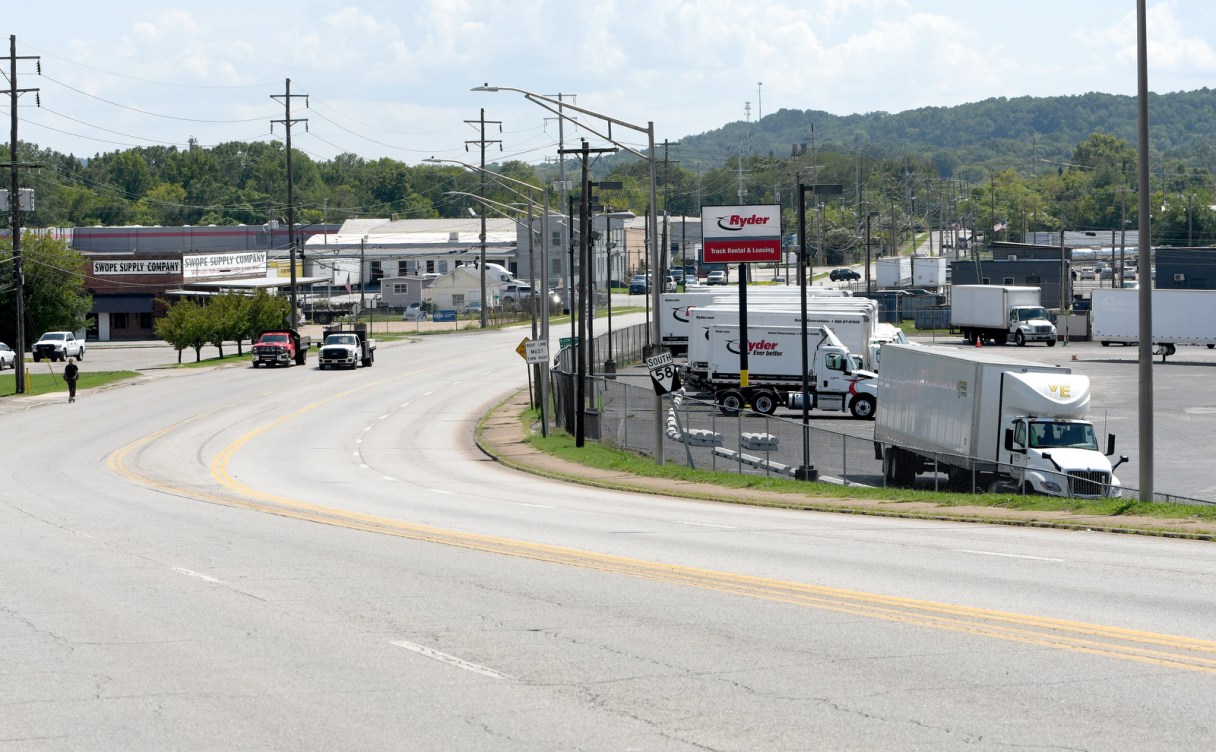
A recent report from Climate Central, a nonprofit news organization that analyzes and reports on climate science, found Chattanooga to be the sixth-fastest warming city in the country. Any city high on such a list is likely to be, or at least have pockets of, an urban heat island, which means it has swaths of roads, buildings and parking lots without much mitigating shade.
We have long written of our concerns about too much development too quickly in Chattanooga and Hamilton County. All governments need land development to expand the tax base to pay for government services, but the infrastructure needed to support that expansion was years delayed, or, in some cases, has never occurred.
And while infrastructure to most people means roads, sewers and sidewalks, it also should mean the planting of trees and shrubbery to replace what has been bulldozed and left exposed to the sun.