
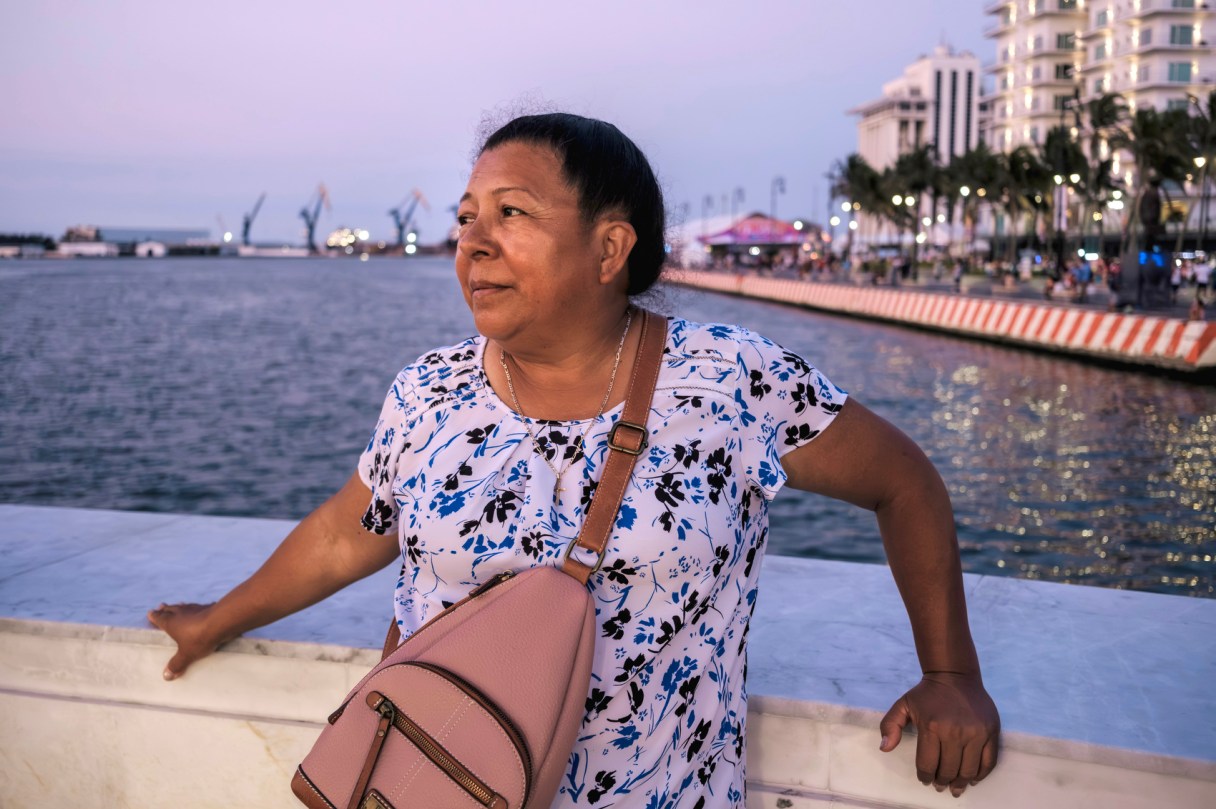
VERACRUZ, México — Before the late May sun rose on the outskirts of the city of Veracruz, Guillermina Solano-Chala had set up her humble taco stand. Several coolers of stewed meat, the freshest corn tortillas and rice waited on folding tables for customers.
Three months earlier, Solano-Chala, or Miss G as she was known to her friends and customers in Chattanooga, was deported from the United States after a traffic stop for a faulty headlight in North Georgia.
In March 1999, she had entered the U.S. illegally to work and support the two teenage sons and 5-year-old daughter she left behind. She was deported one month before the 27th anniversary of her arrival in the U.S.
Solano-Chala is one of millions deported in 2025 and 2026 so far, part of an immigration crackdown that has become central to American politics. The divide is stark: many Americans view unauthorized border crossing as grounds for automatic removal, arguing that enforcing immigration laws upholds the rule of law and deters further violations. Others contend that long-term residence and community contributions warrant consideration in deportation cases.
But what happens to those whose lives are at the center of the debate?