
TOKYO (AP) – What happens next in Japan-China relations depends not only on what they do, but also on what they don’t do.
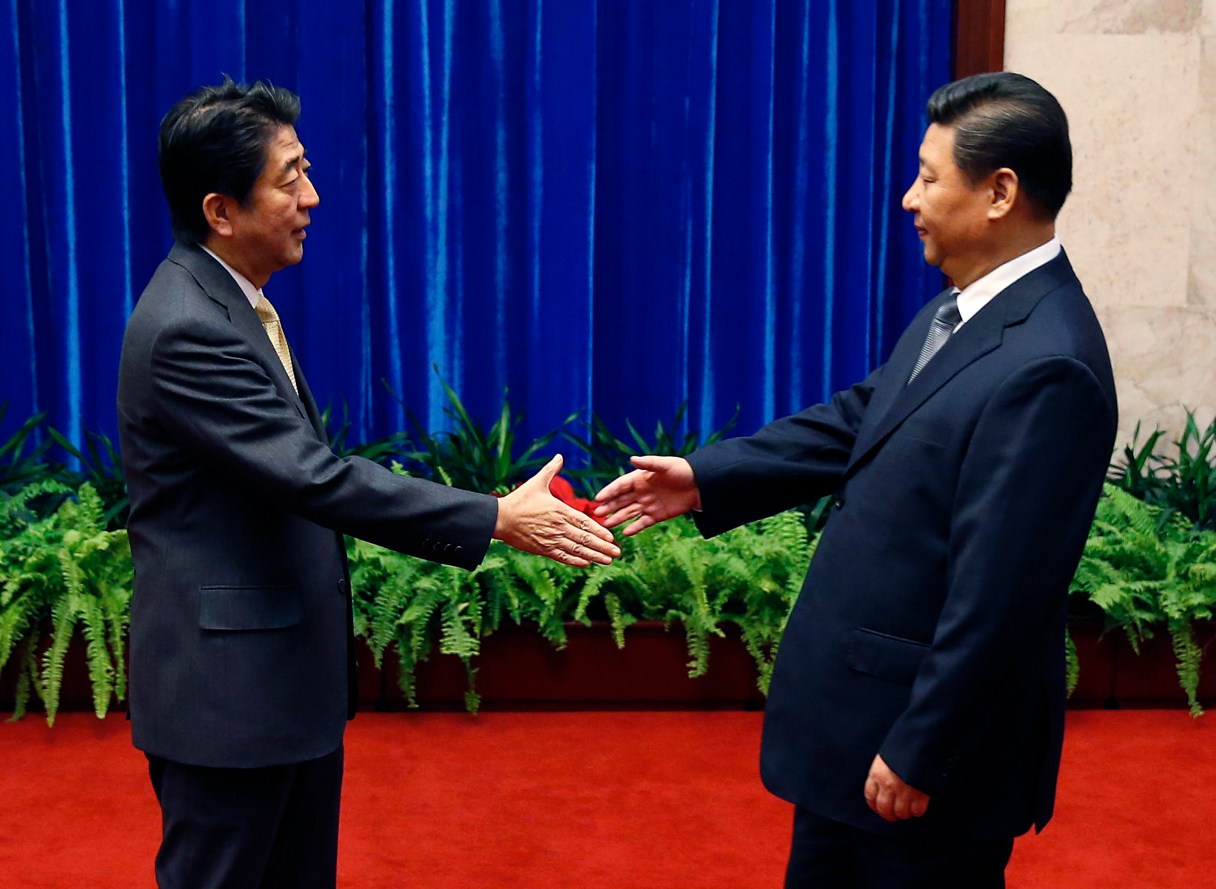
A tentative, some would say grudging, first meeting between their leaders on Monday raised hopes of a gradual improvement in ties, but any misstep on two fundamental issues could send the relationship back into deep freeze.
China wants Japanese Prime Minister Shinzo Abe to refrain from visiting a shrine that honors Japan’s war dead, including convicted war criminals. He did so last December, on the first anniversary of taking office, and a repeat visit would infuriate China after President Xi Jinping acquiesced to a meeting with Abe during an Asia-Pacific summit in Beijing.
Beijing says Abe’s visit showed his insensitivity to Chinese suffering during Japan’s brutal 20th century invasion and occupation of China, a lingering sore point for its 1.3 million people.
Considering Abe’s “less-than-glorious track record,” the official China Daily newspaper said in an editorial Tuesday, pleasant-sounding rhetoric needs to be followed up by action for the thaw to take hold. Action, in this case, is as much about what China wants Abe not to do.