
Thursday, October 29, 2026Oct 29

This story is free to read.

Goodwill stores have a message: Please stop donating trash

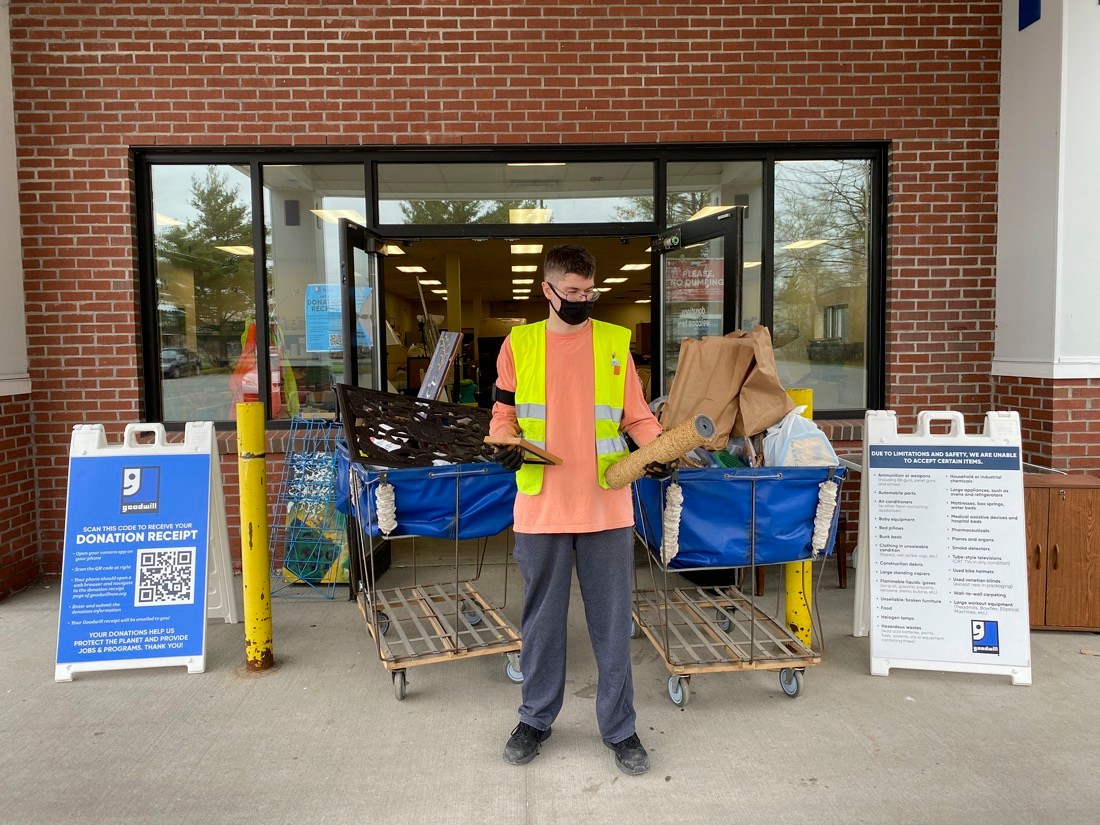
In this undated photo provided by Goodwill Northern New England, a donation attendant working for Goodwill Northern New England at the Westbrook, Maine, store looks at a broken picture frame and a broken cat scratching post. Experts note the coronavirus pandemic has encouraged many to clean their homes and get rid of stuff they don't want. And during the past year, several Goodwill agencies say they've seen an increase in unwanted donations, and in turn, their trash bills. (Heather Steeves/Goodwill Northern New England via AP)
In this undated photo provided by Goodwill Northern New England, a donation attendant working for Goodwill Northern New England at the Westbrook, Maine, store looks at a broken picture frame and a broken cat scratching post. Experts note the coronavirus pandemic has encouraged many to clean their homes and get rid of stuff they don't want. And during the past year, several Goodwill agencies say they've seen an increase in unwanted donations, and in turn, their trash bills. (Heather Steeves/Goodwill Northern New England via AP) In this undated photo provided by Goodwill Northern New England, a donation attendant working for Goodwill Northern New England at the Westbrook, Maine, store looks at a broken picture frame and a broken cat scratching post. Experts note the coronavirus pandemic has encouraged many to clean their homes and get rid of stuff they don't want. And during the past year, several Goodwill agencies say they've seen an increase in unwanted donations, and in turn, their trash bills. (Heather Steeves/Goodwill Northern New England via AP)

Broken furniture. Flashlights with leaking batteries. Disfigured Barbie dolls.

Across the country, thrift stores have been flooded by household items, the offerings of people who have been homebound for months and are eager to clear out some of their possessions.

Problem is, too many such items could most accurately be described as trash. Many of the donations are defective or worn-out items – gifts from well-intentioned people who want to reduce waste but who donate items that simply shouldn’t be donated.

The thrift stores, wary of discouraging donations, say that, as always, they welcome most contributions, especially after a recession that inflicted harm most heavily on the lowest-income Americans, many of whom now depend on them. And they note that most of the items that arrive at their stores remain perfectly acceptable.

But in the midst of spring cleaning season, the stores want to slow a barrage of unwanted contributions that increased during the COVID-19 pandemic.