
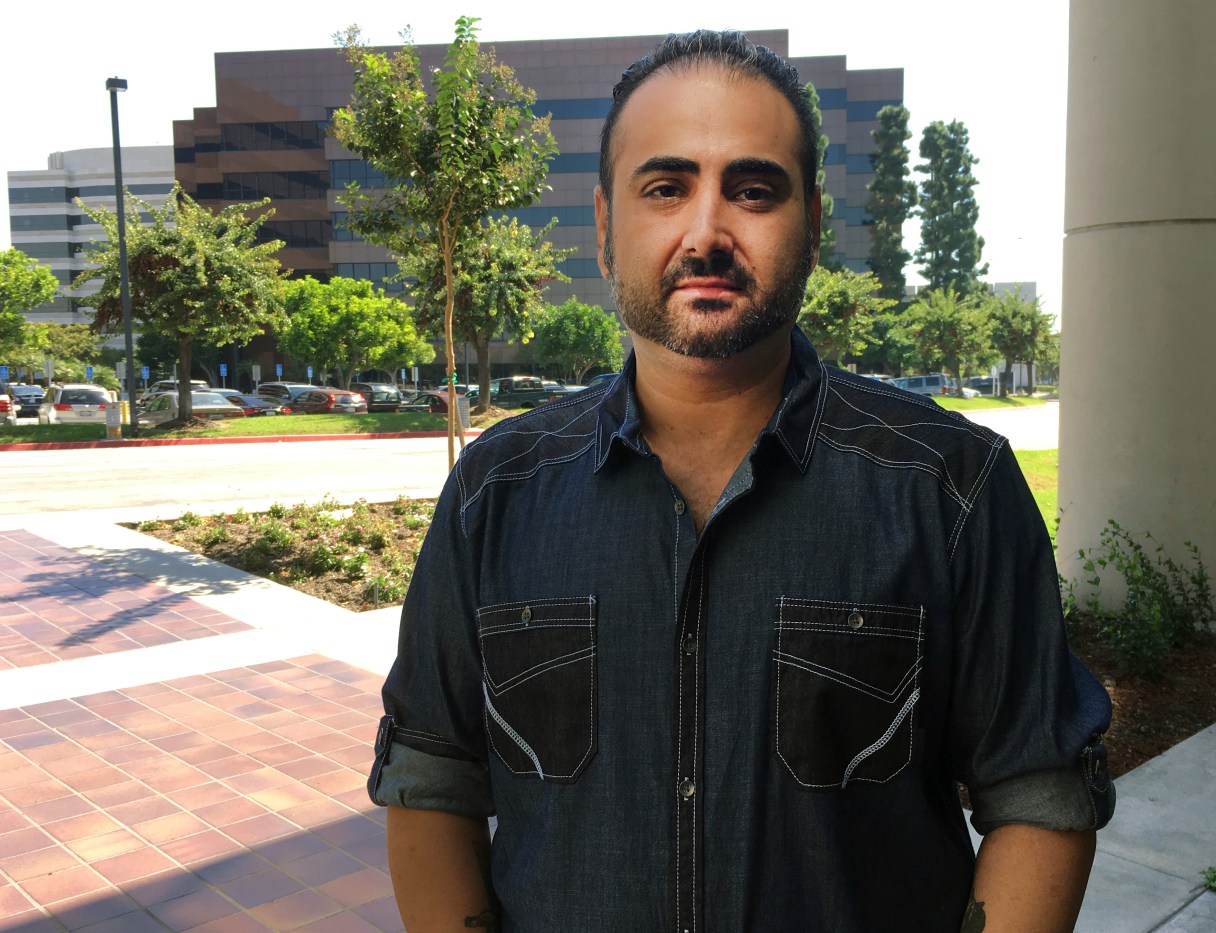
LONG BEACH, Calif. (AP) – U.S. Navy veteran Mohammed Jahanfar has traveled overseas four times in the last year to visit his Iranian fiancee, most recently hoping to complete government paperwork that would allow her to come live with him in the United States.
But the 39-year-old now fears they will be forever separated after President Donald Trump’s administration rolled out new restrictions blocking most Iranians from traveling to America. The new restrictions covering citizens of Chad, Iran, Libya, North Korea, Somalia, Syria, and Yemen – and some Venezuelan government officials and their families – are to go into effect Oct. 18.
“It is devastating,” said Jahanfar, who works as a salesman in Long Beach, California, and has lived in the United States for three decades. “There should be no reason why my fiancée, who is an educated person in Iran, who has a master’s degree, why we cannot be with each other. I cannot wrap my head around it.”
This is the Trump administration’s third measure to limit travel following a broad ban that sparked chaos at U.S. airports in January and a temporary order issued months later that was challenged in the courts and expired last weekend.
Jahanfar is among 385,000 Iranian immigrants in the United States, according to the Census Bureau, more than any of the other countries covered by the travel restrictions issued last weekend.