
The city of Chattanooga is lending its Industrial Development Board $4 million to extend Hardy Street into the former Harriett Tubman housing project to make way for a $61 million automotive paint factory and to open the way for other development in East Chattanooga.
The loan, which was approved by the city bond board on Monday, will be repaid over the next 20 years with extra taxes to be generated from Nippon Paint, one of the world’s biggest paint and coatings companies that plans to soon begin building a 270,000-square-foot factory in one of Chattanooga’s economically challenged neighborhoods.
“In order for us to proceed with the infrastructure for this project, the IDB (Industrial Development Board) is taking out a loan from the city (with a 3.5% interest rate) and the loan will be repaid with the proceeds from the TIF,” Charita Allen, the city’s deputy administrator for economic development, told IDB members Monday.
Nippon plans to employ about 150 workers in Chattanooga and will be a key paint supplier to the $1.6 billion Toyota/Mazda auto plant under development 100 miles to the southwest in Huntsville, Alabama.
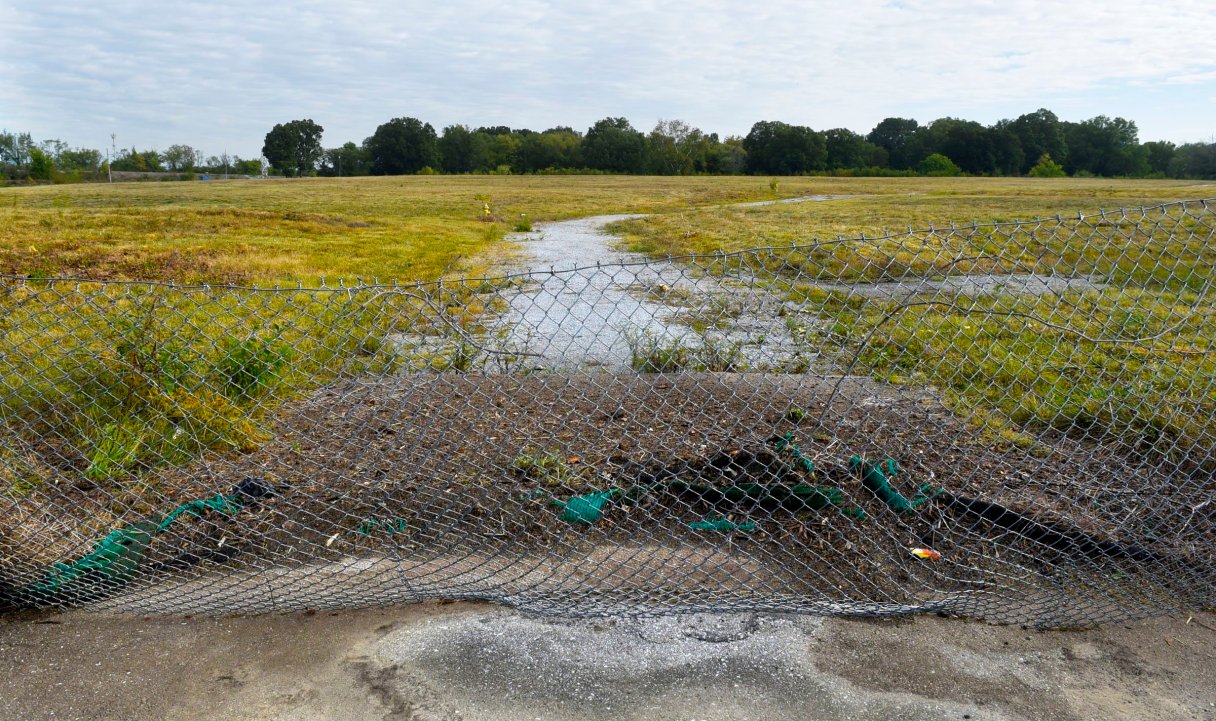
The city gave Nippon much of the 70-acre property that housed the Harriett Tubman housing complex from 1953 to 2012 to help entice the Japanese manufacturer to locate in East Chattanooga and Nippon. The area was rezoned for manufacturing last year and the city adopted a tax increment financing district in the area to allow tax revenues generated by new development to be used to fund infrastructure improvements within the district.