
Friday, October 30, 2026Oct 30

This story is free to read.

Germany eases path to permanent residency for migrants

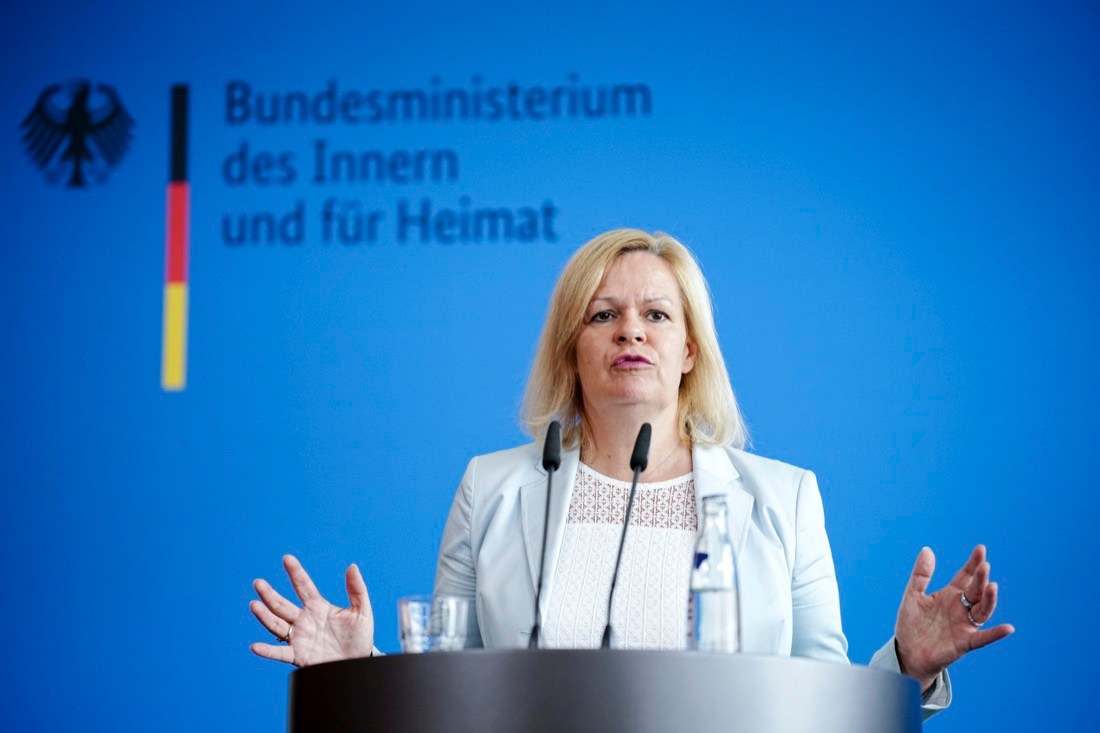
German Interior Minister Nancy Faeser addresses the media during a press conference in Berlin, Germany, Wednesday, July 6, 2022. Tens of thousands of migrants, who have been living in Germany for years without a secure stay permit, will be eligible for permanent residency due to a new migration bill. The new regulation which was passed by the German Cabinet on Wednesday applies to about 136,000 people who have lived in Germany for at least five years by Jan. 1, 2022. (Kay Nietfeld/dpa via AP)
German Interior Minister Nancy Faeser addresses the media during a press conference in Berlin, Germany, Wednesday, July 6, 2022. Tens of thousands of migrants, who have been living in Germany for years without a secure stay permit, will be eligible for permanent residency due to a new migration bill. The new regulation which was passed by the German Cabinet on Wednesday applies to about 136,000 people who have lived in Germany for at least five years by Jan. 1, 2022. (Kay Nietfeld/dpa via AP) German Interior Minister Nancy Faeser addresses the media during a press conference in Berlin, Germany, Wednesday, July 6, 2022. Tens of thousands of migrants, who have been living in Germany for years without a secure stay permit, will be eligible for permanent residency due to a new migration bill. The new regulation which was passed by the German Cabinet on Wednesday applies to about 136,000 people who have lived in Germany for at least five years by Jan. 1, 2022. (Kay Nietfeld/dpa via AP)

BERLIN (AP) – Tens of thousands of migrants, who have been living in Germany for years without long-lasting permission to remain in the country, will be eligible for permanent residency after the government approved a new migration bill Wednesday.

The new regulation, endorsed by the Cabinet, applies to about 136,000 people who have lived in Germany for at least five years by Jan. 1, 2022.

Those who qualify can first apply for a one-year residency status and subsequently apply for permanent residency in Germany. They must earn enough money to make an independent living in the country, speak German and prove that they are “well integrated” into society.

Those under the age of 27 can already apply for a path to permanent residency in Germany after having lived in the country for three years.

“We want people who are well integrated to have good opportunities in our country,” Interior Minister Nancy Faeser told reporters. “In this way, we also put an end to bureaucracy and uncertainty for people who have already become part of our society.”