

IF YOU GO
What: Informational meeting on aquatic weed management on Watts Bar LakeWhere: Spring City Municipal Building meeting room, 229 Front St.When: 6 p.m. May 3Who: TVA aquatic plant management program director Brett Hartis
DON’T SPREAD A BAD THING
One step boaters and lake-users on the Tennessee River’s reservoirs can take to prevent the spread of non-native aquatic plants is to clean boats, trailers, floats and other equipment of any plant material — especially propellers, engine compartments and trailer running boards — before moving to another body of water. TVA experts say aquatic plants need only a little moisture and sunlight to remain viable for weeks.
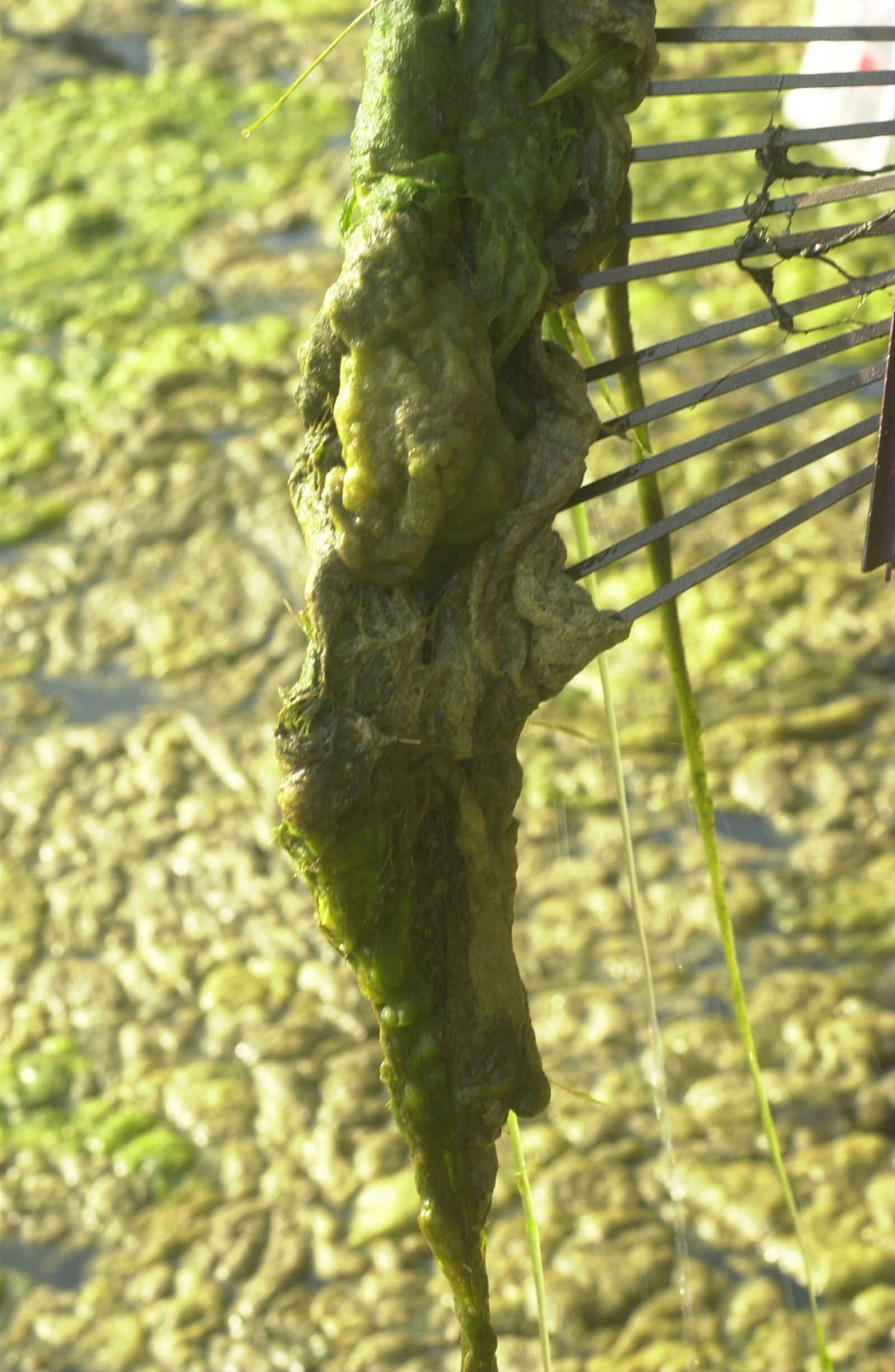
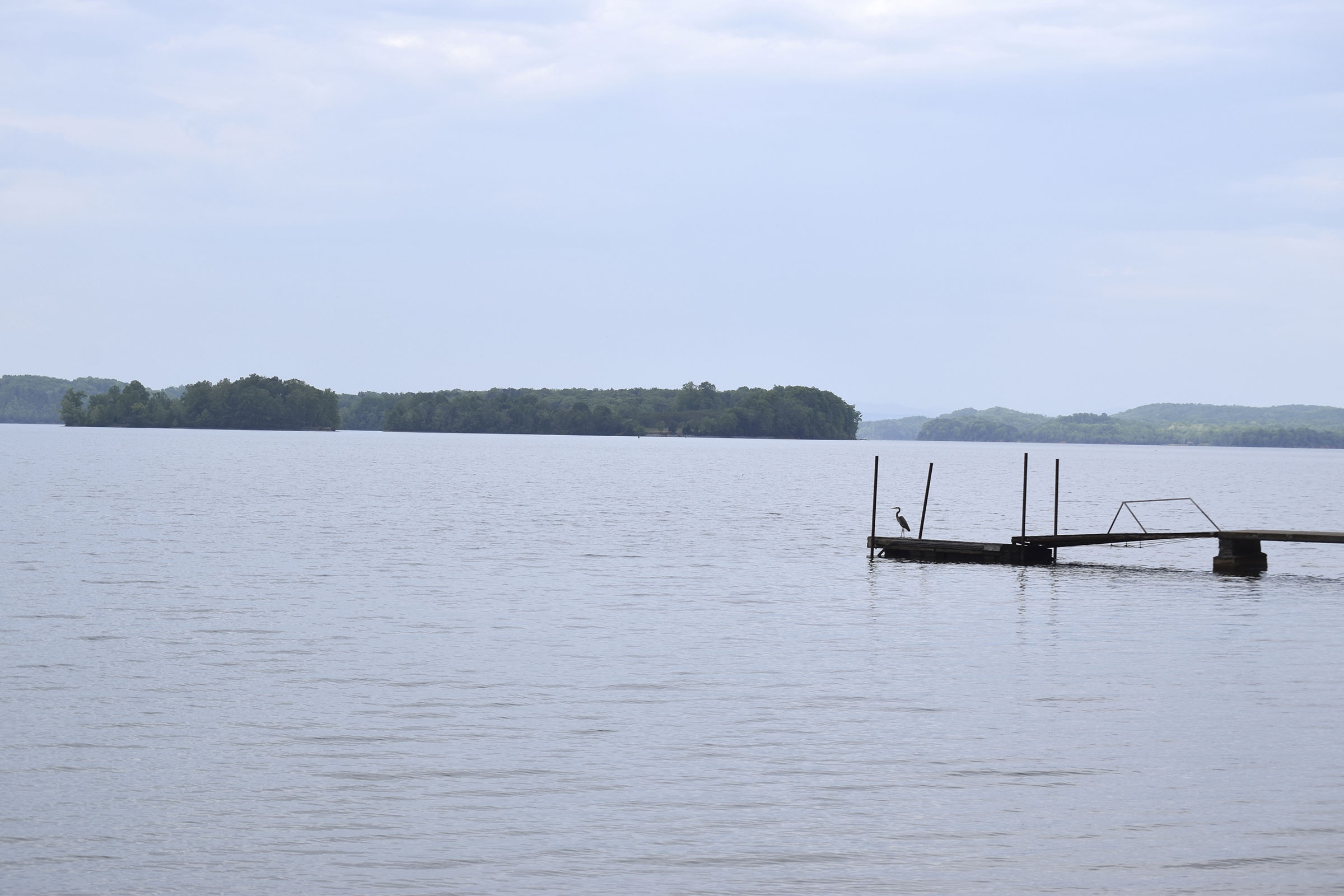
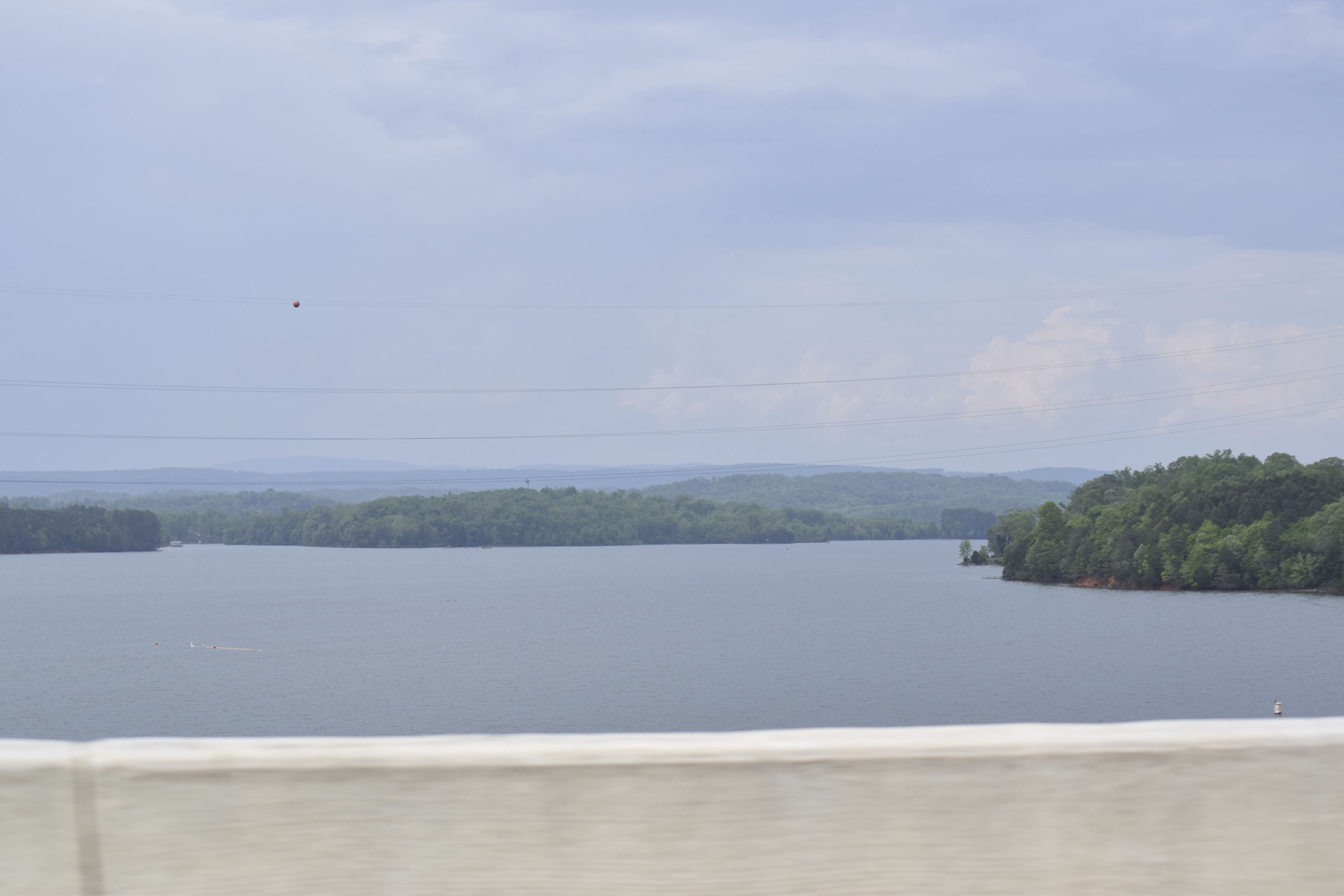
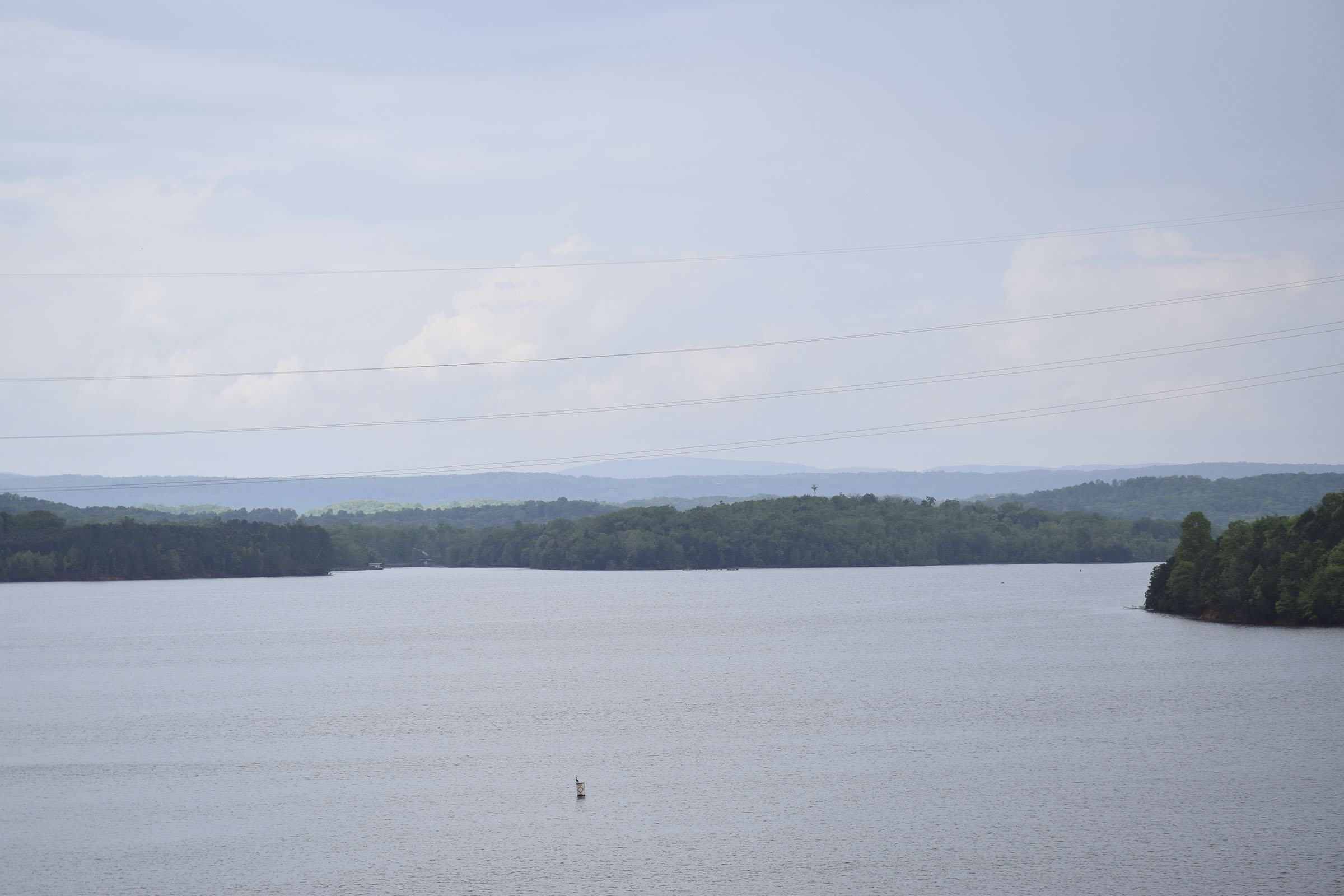
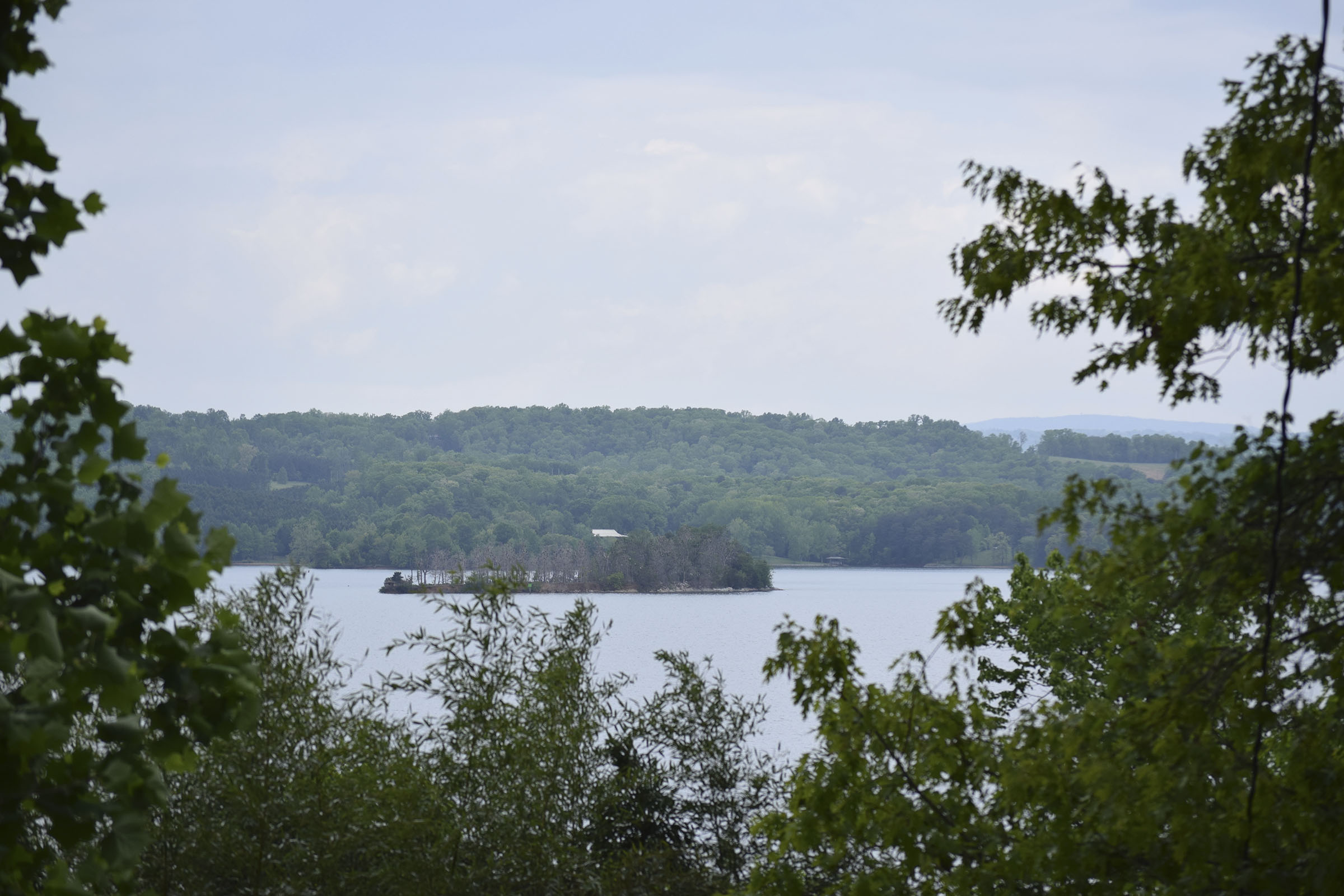
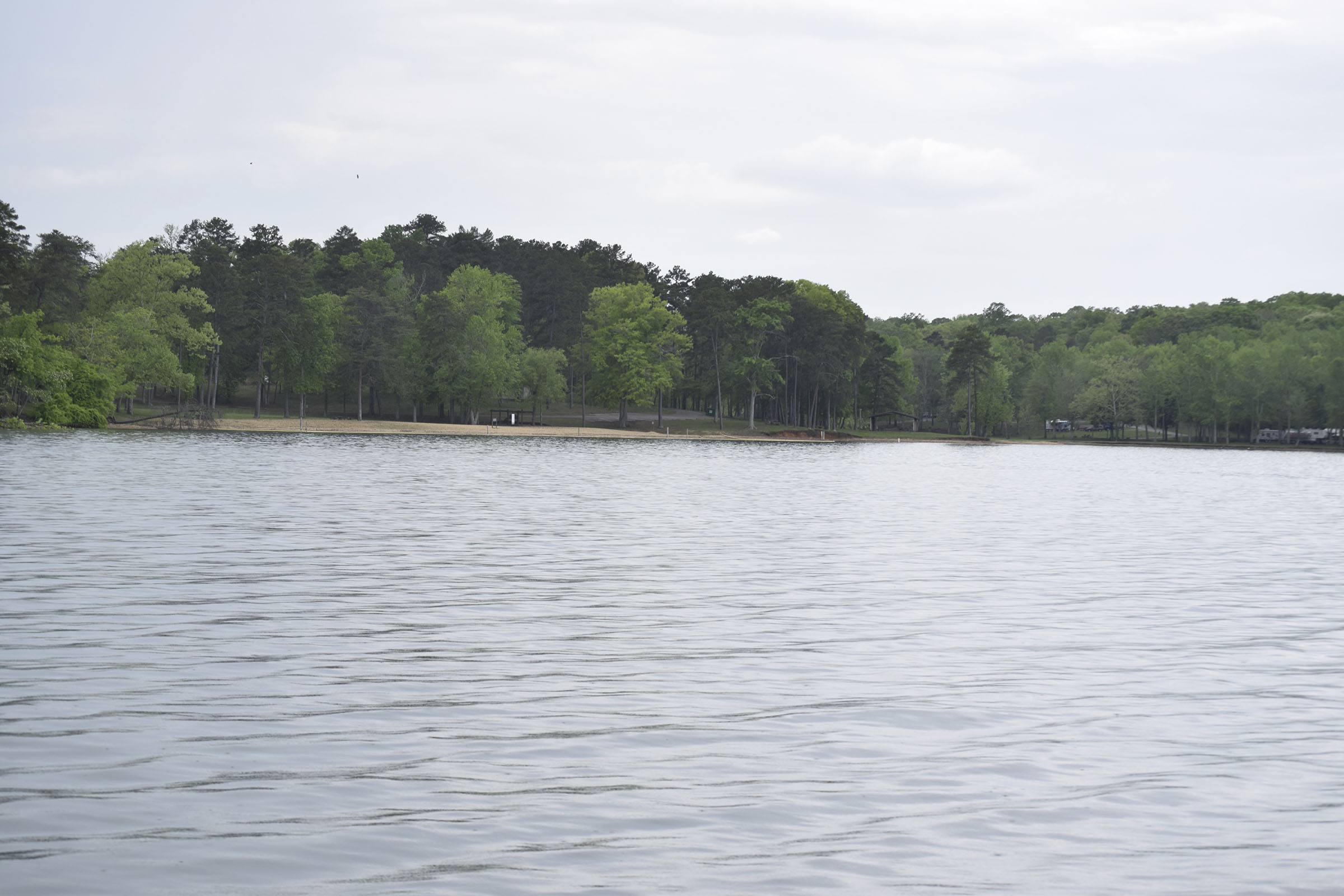
SPRING CITY, Tenn. – By late summer, the water weeds are so thick you could almost walk on parts of Watts Bar Lake without getting wet.
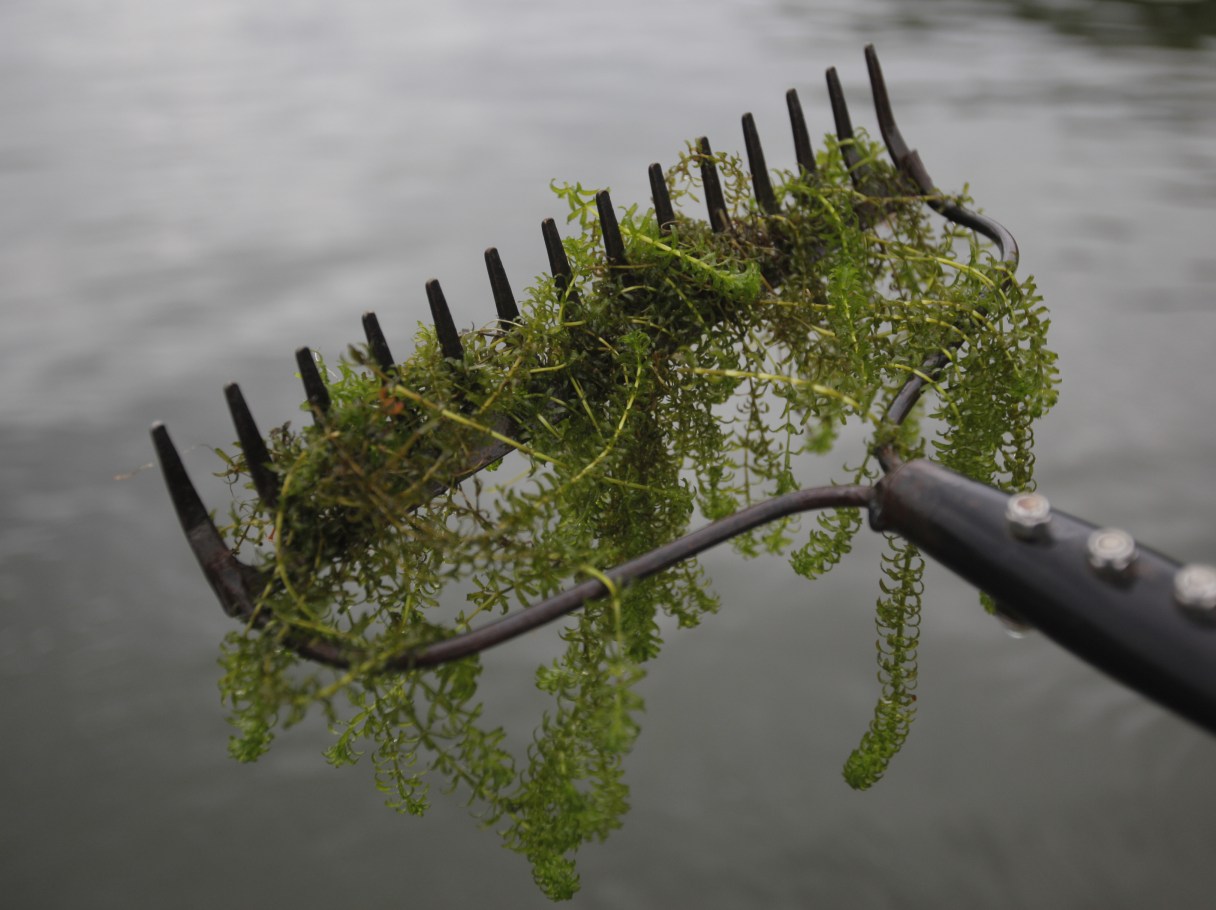
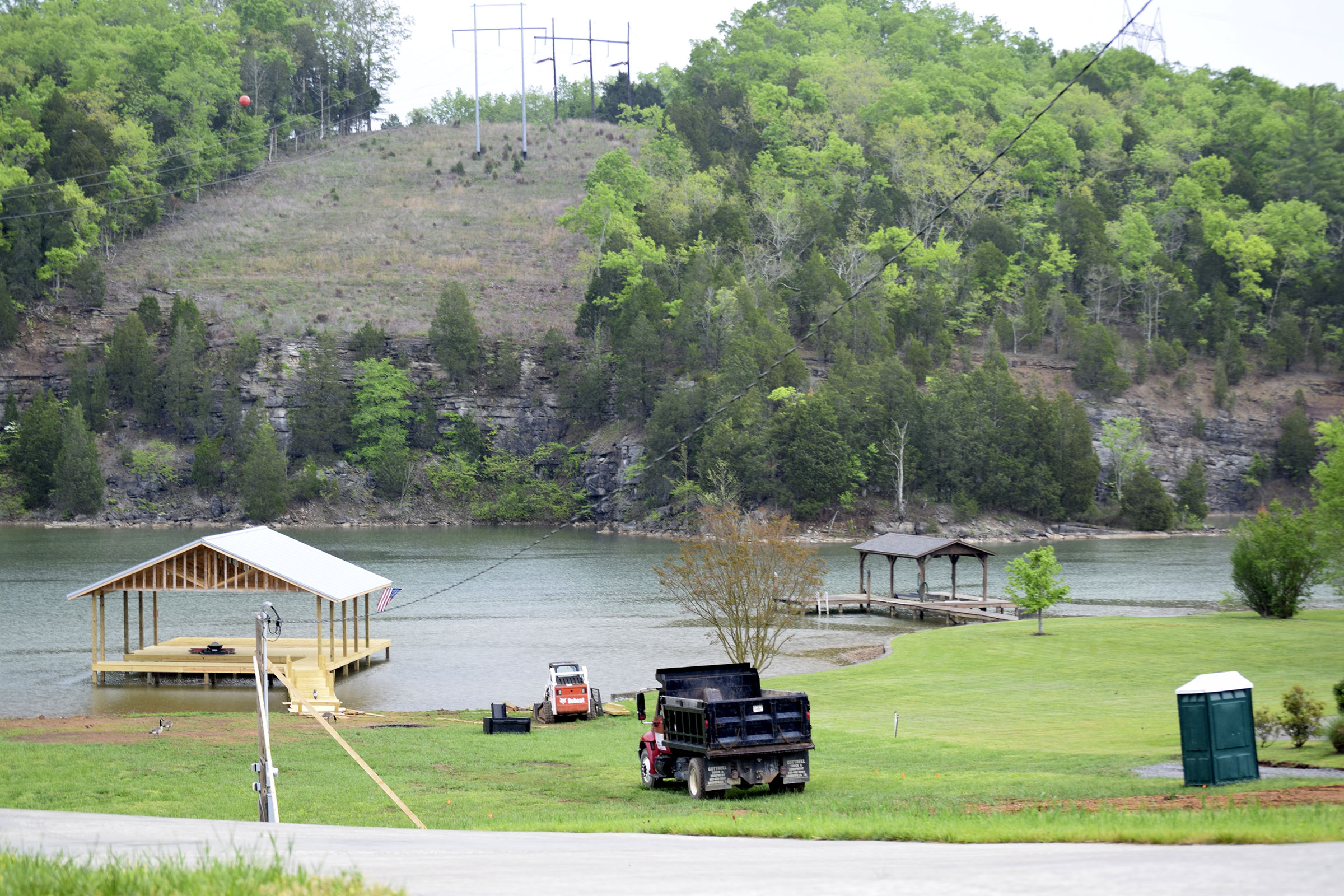
Invasive aquatic plants that mass around boat docks on the Tennessee River are starting to grow and will begin to cause access problems by late May or June, said Gary Venice, a Spring City real estate broker, boater and lake user.
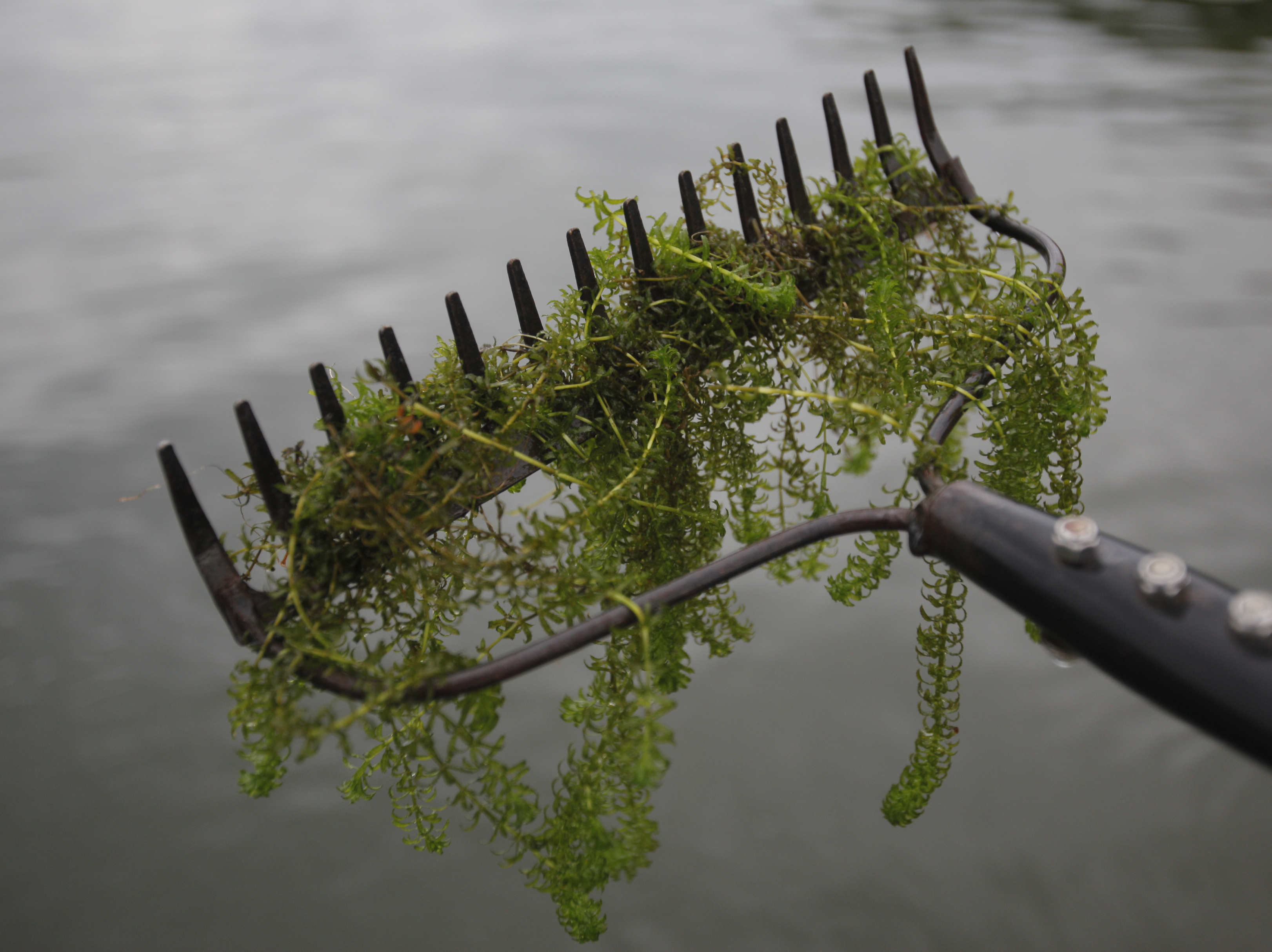
The worst offenders are Eurasian watermilfoil, especially hydrilla. The non-native species flourish in the Tennessee River because they have no native enemies, and they compete with native plant species for habitat.