
Monday, November 16, 2026Nov 16

Long a niche, street medicine for homeless heads mainstream

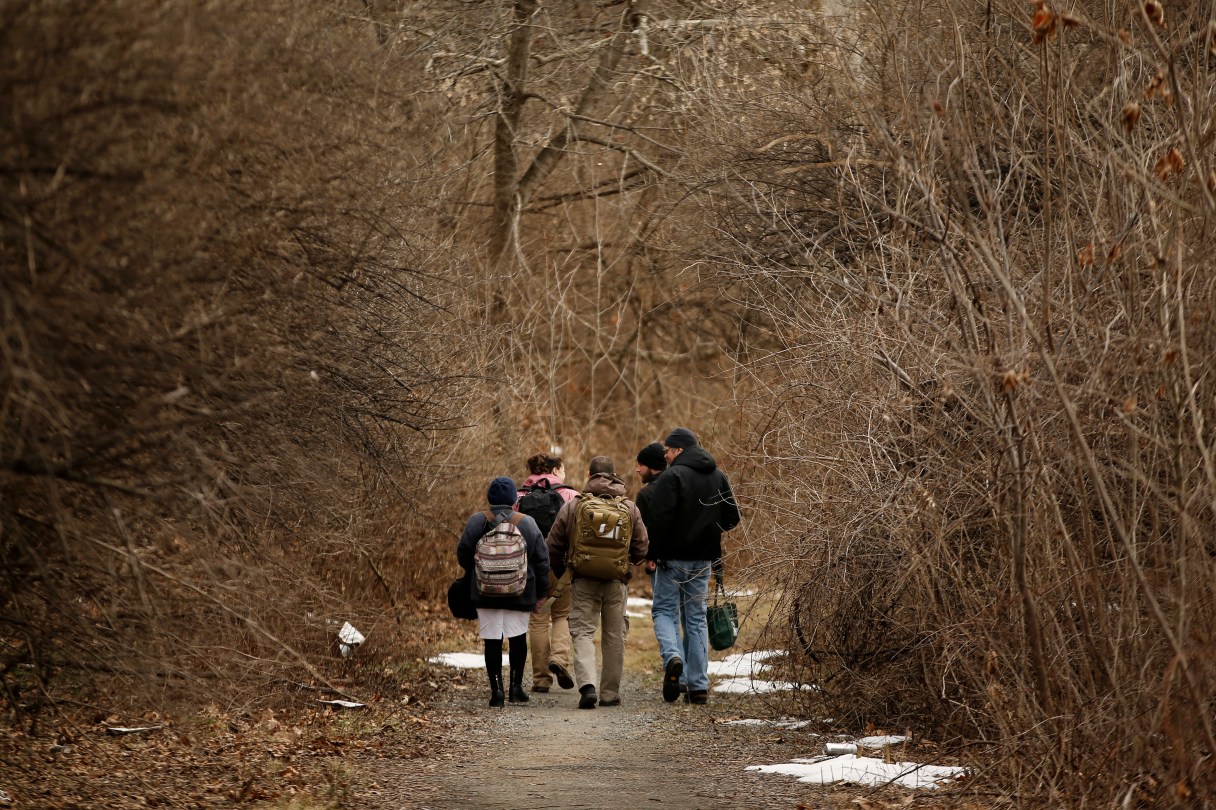
In this Feb. 19, 2016, photo, medical assistant Lina Marin, from left, registered nurse Laura Lacroix, physician assistant Brett Feldman, military healthcare consultant Zach Laudenslager and community outreach specialist Bob Rapp walk to visit a homeless camp in Bethlehem, Pa. Street medicine got its start more than 30 years ago as an altruistic pursuit of individual doctors and nurses. In cities scattered around the country and the world, they left the office and headed outside to care for the chronically homeless, a population that is generally sicker and dies far younger than people with homes. (AP Photo/Matt Slocum)

ALLENTOWN, Pa. (AP) – They’re house calls without the house.

Far from the sterile confines of a doctor’s office or hospital, Brett Feldman looks for homeless people where they’re most likely to be found – in wooded encampments, under bridges, along riverbanks, at soup kitchens – and treats them for ailments ranging from diabetes to trench foot, mental illness to substance abuse.

The 34-year-old physician assistant is one of the nation’s few practitioners of “street medicine,” a tiny health care niche that advocates predict will become more mainstream as hospitals and health care systems seek to cut costs, in part by reducing emergency-room visits among the homeless.

Feldman’s fledgling program is showing promise. His employer, the Lehigh Valley Health Network, about an hour north of Philadelphia, has seen the number of repeat visitors to the ER plummet. Feldman delivers primary and preventive care to about 100 homeless patients per month, treating them wherever they happen to be.

“My job is to bring comfort to them, and healing when I can,” says Feldman, wearing a backpack filled with medical supplies and bundled up against the bitter cold as he makes rounds in the sister cities of Allentown, Bethlehem and Easton.