
Monday, November 9, 2026Nov 9

Malaria drug shows no benefit in another coronavirus study

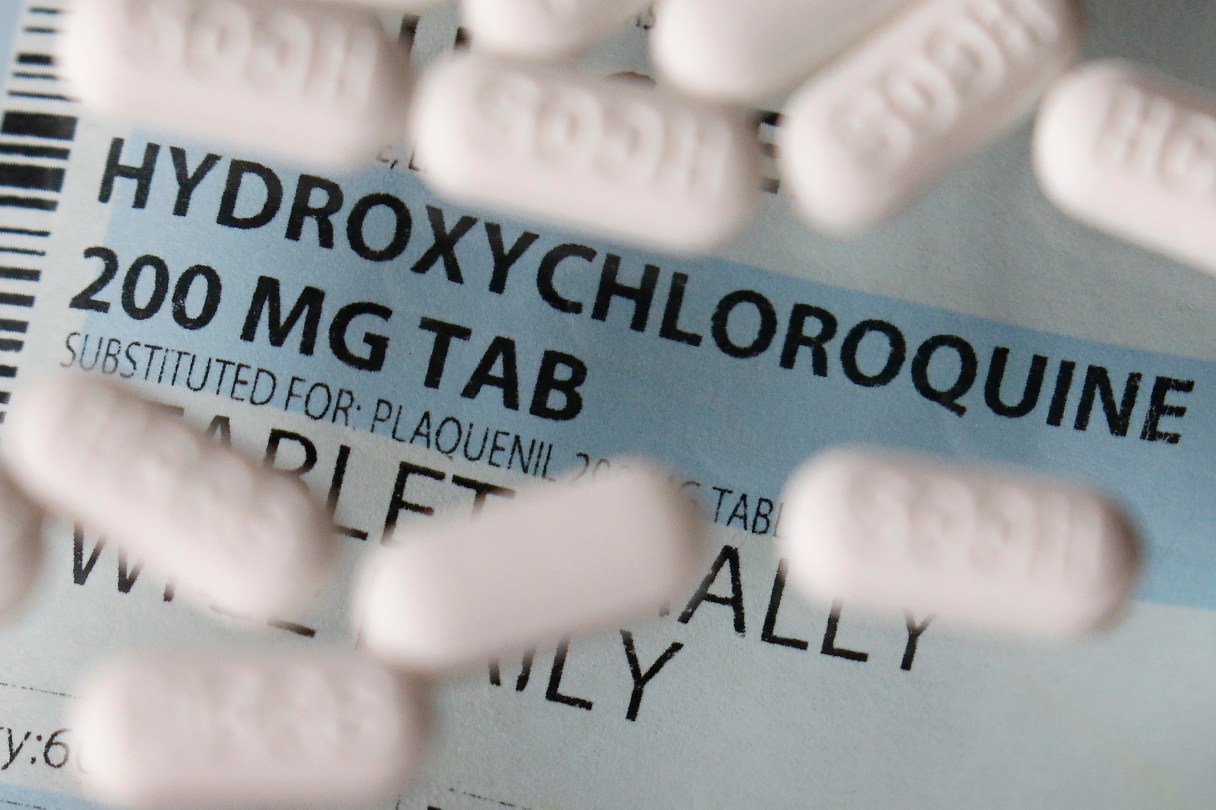
FILE - This Monday, April 6, 2020 file photo shows an arrangement of hydroxychloroquine tablets in Las Vegas. According to results released on Thursday, May 7, 2020, a new study finds no evidence of benefit from a malaria drug widely promoted as a treatment for coronavirus infection. Hydroxychloroquine did not lower the risk of dying or needing a breathing tube in a comparison that involved nearly 1,400 consecutive patients treated at Columbia University Irving Medical Center in New York. (AP Photo/John Locher)
FILE - This Monday, April 6, 2020 file photo shows an arrangement of hydroxychloroquine tablets in Las Vegas. According to results released on Thursday, May 7, 2020, a new study finds no evidence of benefit from a malaria drug widely promoted as a treatment for coronavirus infection. Hydroxychloroquine did not lower the risk of dying or needing a breathing tube in a comparison that involved nearly 1,400 consecutive patients treated at Columbia University Irving Medical Center in New York. (AP Photo/John Locher) FILE - This Monday, April 6, 2020 file photo shows an arrangement of hydroxychloroquine tablets in Las Vegas. According to results released on Thursday, May 7, 2020, a new study finds no evidence of benefit from a malaria drug widely promoted as a treatment for coronavirus infection. Hydroxychloroquine did not lower the risk of dying or needing a breathing tube in a comparison that involved nearly 1,400 consecutive patients treated at Columbia University Irving Medical Center in New York. (AP Photo/John Locher)

A new study finds no evidence of benefit from a malaria drug widely promoted as a treatment for coronavirus infection.

Hydroxychloroquine did not lower the risk of dying or needing a breathing tube in a comparison that involved nearly 1,400 patients treated at Columbia University in New York, researchers reported Thursday in the New England Journal of Medicine.

Although the study is observational rather than a rigorous experiment, it gives valuable information for a decision that hundreds of thousands of COVID-19 patients have already had to make without clear evidence about the drug’s risks and benefits, some journal editors and other doctors wrote in an editorial.

“It is disappointing that several months into the pandemic, we do not yet have results” from any strict tests of the drug, they wrote. Still, the new study “suggests that this treatment is not a panacea.”

President Donald Trump repeatedly urged the use of hydroxychloroquine, which is used now for lupus and rheumatoid arthritis. It has potentially serious side effects, including altering the heartbeat in a way that could lead to sudden death.