
Monday, November 16, 2026Nov 16

Nazi-looted ‘Adam’ and ‘Eve’ paintings to stay in California

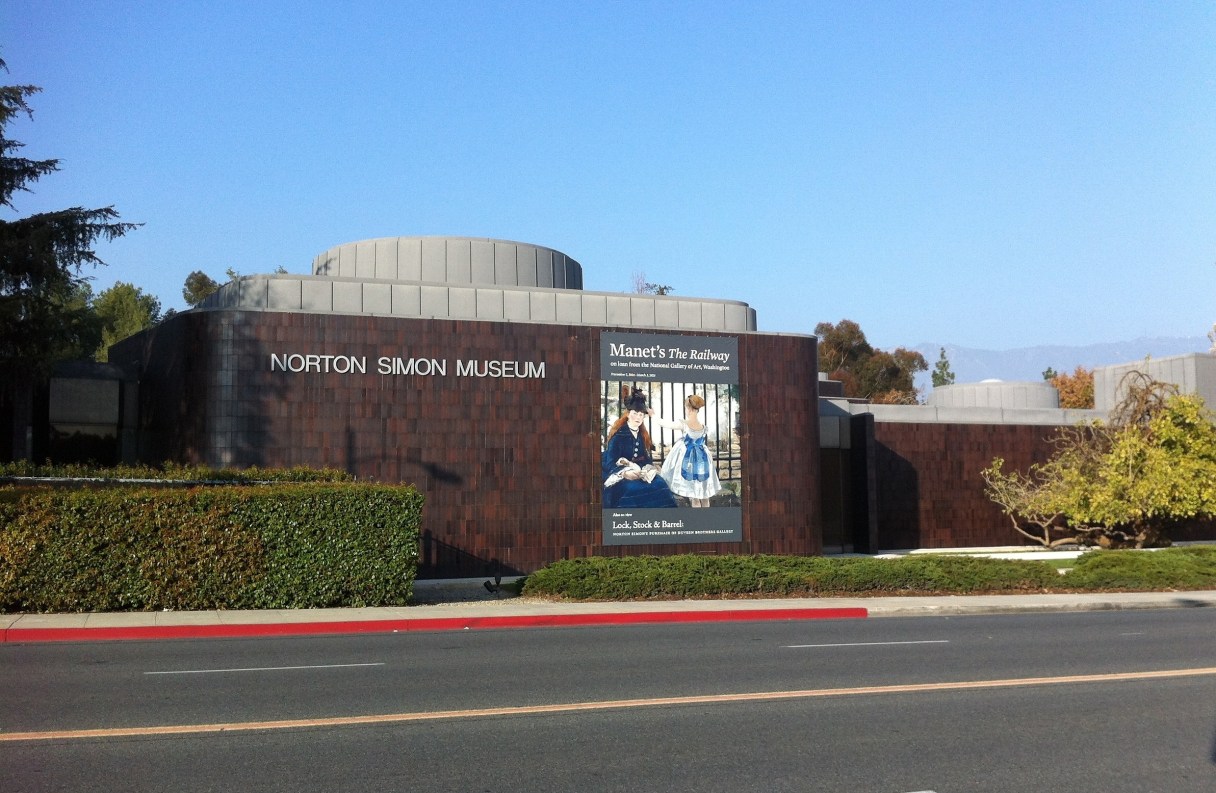
FILE - This Jan. 21, 2015, file photo shows the exterior of the Norton Simon Museum in Pasadena, Calif. A woman who has been fighting for almost a decade over ownership of two German Renaissance masterpieces depicting "Adam" and "Eve" seized by the Nazis during World War II, has lost after a judge ruled in favor of the Southern California museum where they have hung for more than 30 years. U.S. District Court Judge John F. Walter ruled that the Norton Simon Museum is the rightful owner of the two life-size oil-on-panel paintings in a decision that the museum describes as mindful of "the facts and law at the heart of the dispute." (AP Photo/John Antczak, File)

LOS ANGELES (AP) – A judge has ruled in favor of a Southern California museum in its 10-year legal battle over the ownership of two German Renaissance masterpieces that were seized by the Nazis in World War II.

U.S. District Court Judge John F. Walter ruled last week that Pasadena’s Norton Simon Museum, where the paintings “Adam” and “Eve” have been for more than 30 years, is the rightful owner of the two life-size oil-on-panel paintings.

The museum called the decision mindful of “the facts and law at the heart of the dispute,” the Los Angeles Times reported (http://lat.ms/2byipAv ) Monday.

Marei von Saher alleged that the paintings were seized from her father-in-law, Dutch Jewish art dealer Jacques Goudstikker, after his family fled Holland during the Holocaust.

The Norton Simon countered that it legally acquired the works in the 1970s from the descendant of Russian aristocrats who had them wrongly taken by the Soviet Union in the 1920s.