U.S. trade deficit dips in June along with ‘World Cup effect’
The U.S. trade deficit in goods and services fell slightly to $73.3 billion in June as the United States imported fewer foreign computers and…

The U.S. trade deficit in goods and services fell slightly to $73.3 billion in June as the United States imported fewer foreign computers and…
The United States trade deficit in goods and services widened to $77.6 billion in May as the U.S. imported more goods than it sold abroad.

The U.S. trade deficit in goods and services rose to $60.3 billion in March, increasing 4.4% from the previous month, after the Supreme Court struck down President Donald Trump’s global tariffs, according to data from the Commerce Department released Tuesday.

Over the past year, President Donald Trump carried out what was essentially a grand experiment with the U.S. economy, by raising tariffs to levels not seen in a century.
The U.S. trade deficit in goods and services shrank to $29.4 billion in October, down from $48.1 billion the prior month as the Trump administration’s tariffs reshaped global trade, data from the Commerce Department showed Thursday.
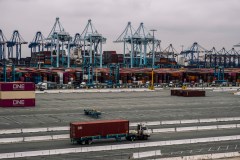
U.S. imports of foreign made goods fell sharply in April compared with the previous month, as tariffs clamped down on global trade.

The world’s biggest powers were deep in a trade war. Economic losses from the tariffs that President Donald Trump had imposed on most of the world, along with global retaliation, were accumulating. Jobs were being lost, inflation was ticking up and the world was both frustrated with and anxious about the United States.

The U.S. trade deficit in goods hit a record $1.2 trillion last year, as American consumers snapped up imported products and a strong U.S. dollar weighed on export growth.

The Trump administration intends to push to renegotiate the U.S. trade deal with Canada and Mexico before a required 2026 review of it, seeking to shore up U.S. auto jobs and counter Chinese firms that are making inroads into the Mexican auto sector, people familiar with the deliberations said.
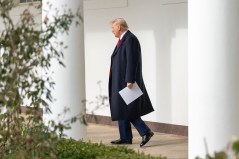
The Biden administration announced Monday broader restrictions on advanced technology that can be sent to China, in an effort to prevent the country from developing its own advanced chips for military equipment and artificial intelligence.