
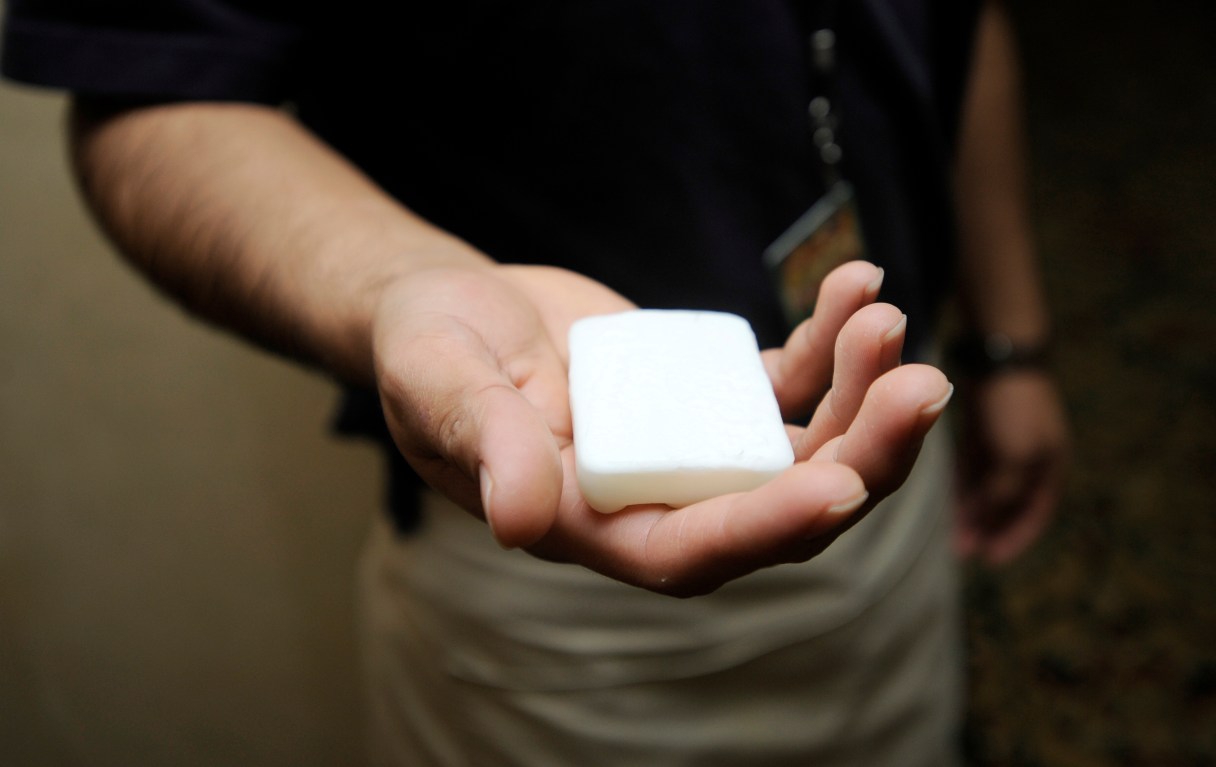
One bar of soap, though small, can make a big difference in the war on preventing diseases.
At least that’s the hope of area hotels that are partnering with an Atlanta-based organization called the Global Soap Project to send soap to refugee camps in Africa.
Brian Sansoni, an officer with the Soap and Detergent Association, said it is especially important now that people use soap in developing countries because it is critical to saving lives, particularly from the lack of basic sanitation services.
Dobbin Callahan, chairman of the green committee for the Greater Chattanooga Hospitality Association, said participating in the project is one way the hospitality industry is looking to conduct business in a more sustainable way through what he calls “tree-hugging capitalism.”
“For an operation to be environmentally sustainable, it also has to be economically sustainable,” Mr. Callahan said, adding that implementing environmental measures, without increasing cost to the consumer, is crucial.
“Some people see the environmental and economical bottom line as being at odds, but the two can certainly work together and improve each other,” he said.
In addition to keeping more trash out of landfills and reduction of trash expenses, participating in programs such as the Global Soap Project can help draw tourists, area hoteliers said.
“Research is now showing that close to a majority of tourists are seeking hotels and attractions that are having a low impact on the environment,” Mr. Callahan said. “Chattanooga is ahead of a growing wave to meet the customer and client demand.”
Derreck Kayongo, founder of the Global Soap Project, said the idea came to him three years ago after a hotel visit where he noticed that he had three bars of soap that were being thrown away and replaced sometimes only after one use.
“We have 4.5 million hotel rooms in this country, with about 800 million bars of soap being thrown away every single year,” he said. “We’ve got to find a way to translate that into something that benefits people.”
That’s when the lightbulb went off.
Mr. Kayongo met with Vicki Gordon, a hotel industry veteran, to discuss what could be done and out of their discussions the Global Soap Project became a reality in 2009. Mr. Kayongo and his family fled Uganda during the tyranny of Idi Amin in 1979 and he has spent much of his career in humanitarian relief.
Together with his father, Tom Kayongo, he developed the process for recovering, recycling and distributing the soap from hotels across the country and sending them to refugee camps in Africa. By the end of this year, he hopes to send 15,000 bars overseas.
Among the more than 50 hotels in the Southeast participating in the project are the 3H Group Hotels, with four of their local properties participating — the Days Inn Rivergate, Fairfield Inn by Marriott, Residence Inn & Conference Center and Staybridge Suites.
Mr. Callahan said he anticipates more than 20 hotels in the Chattanooga area will be on board to participate by the end of the year.
“It’s about trying to give back and do humanitarian work,” Skip Miller, general manager of the Staybridge Suites downtown, said. “It’s the right thing to do.”
He added that “if you stay one night at a hotel, you probably barely use the soap. We can help hundreds of thousands of lives.”
Housekeepers at area hotels collect the soap during routine cleaning, and after a certain amount is collected, the soap is sent to the Global Soap Project.
Once at the warehouse, the soap undergoes a four-step process where “dirty” soap deemed unusable is removed, followed by the soap being melted and poured into molds to dry organically. A one-month supply is bundled in packages of three and partner agencies then distribute them to refugee camps.
“We have 4.5 million hotel rooms in this country, with about 800 million bars of soap being thrown away every single year. We’ve got to find a way to translate that into something that benefits people.”– Derreck Kayongo, the Global Soap Project
Mr. Kayongo said he hopes the hospitality industry’s efforts will prompt area citizens to action.
“I’m so proud of the hotels in Chattanooga because they have a green model that they are working,” Mr. Kayongo said. “It’s such a green city, I hope that it will inspire citizens to become guardians of the environment.”