

During its eight-team baseball tournament in late May, the Southeastern Conference used clocks on pitchers and batters and on teams between innings.
The Chattanooga Lookouts are glad they don’t play in the SEC.
“I would not like that, because there are times you need to step off the mound to gather your thoughts and think about what you want to do,” Lookouts pitcher Chris Withrow said. “If I’ve thrown two balls, I might want to gather myself and really concentrate on executing the next pitch.”
SEC pitchers had a 20-second limit when nobody was on base to throw the ball after receiving it from the catcher, or a ball would be added to the count. If an opposing batter wasn’t ready in the box with five seconds remaining, he would be charged a strike.
Between innings, league teams had 108 seconds to take the field and be ready to continue.
The Lookouts are fortunate such constraints aren’t applied in the Class AA Southern League, because no venue in the minor leagues has housed longer games this season than AT&T Field. The average length of a nine-inning game at AT&T is two hours, 57 minutes, a duration equaled by Mississippi’s Trustmark Park and a minute ahead of McCoy Stadium, the home of the Triple-A International League’s Pawtucket Red Sox.
Mississippi’s average is aided by the Lookouts playing games there last month that lasted 3:00, 3:05 and 3:30, and the Southern League’s average of 2:49 per nine-inning game is tops in the minors.
“You’ve got to play the game with freedom,” Lookouts manager Carlos Subero said. “You can’t play the game in 20 seconds. What if I want to step off because I haven’t been making good pitches? What if my middle infielder comes in to tell me to relax?
“The game has been good forever, and the people who love the game don’t mind how long a game takes.”
SEC officials instituted clock rules after the average game in last year’s league tournament lasted 3:09. The final game each of the first two days ended after 1 a.m.
According to league associate commissioner Charles Bloom, the average length for a tournament game this year was 2:43 and there were no clock violations. The SEC was the only league this spring to employ such rules in tournament play.
“This game can drag sometimes, so they’ve got to do what they’ve got to do, I guess,” Lookouts pitching coach Danny Darwin said. “There is no doubt the game is slower than it used to be, especially those TV games and some with the radio spots. Nowadays there are more runs scored, and there is more strategy.
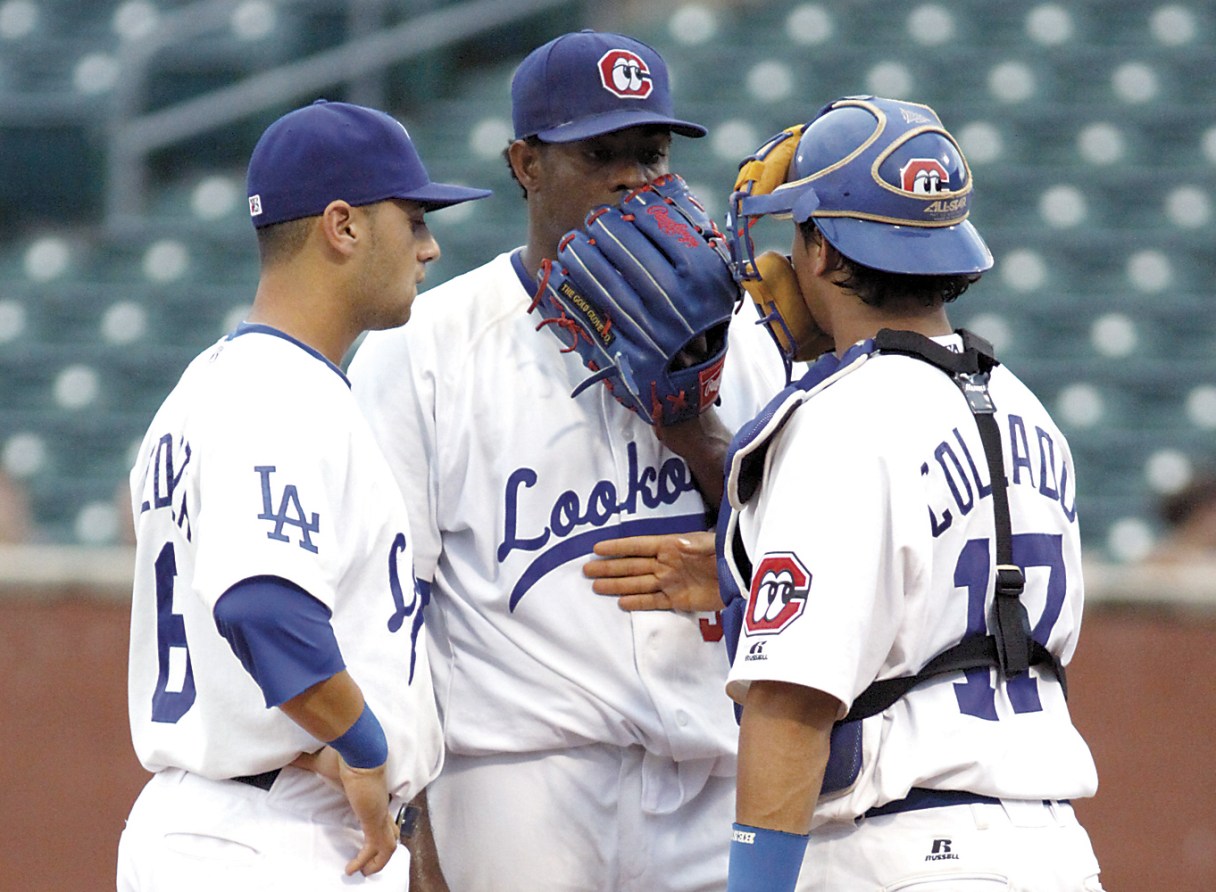
“They have more meetings than you used to between the catcher and pitcher — there are just a lot of little things.”
Professional baseball has a clock rule for the pitcher, but it’s so obscure that Darwin didn’t know the specifics and Withrow had no idea it existed.
Rule 8.04 in the 2010 edition of the Official Baseball Rules states that when the bases are unoccupied, the pitcher shall deliver the ball to the batter within 12 seconds after he receives the ball. Each time the pitcher delays the game by violating this rule, the umpire shall call “Ball.”
The 12-second timing starts when a pitcher is in possession of the ball and the batter is in the box, alert to the pitcher.
“That’s the first time I’ve ever heard that,” Withrow said. “It never crosses my mind. When I’m up there, I go through a little mental run through of what I want to do. I don’t worry about the time.
“It’s a whole different game out here. There are no buzzer beaters or anything like that. You’ve just got walk-offs.”
Dusty Dellinger, the Southern League’s evaluator of officials and a former 11-year umpire who worked 33 games in the majors, has seen a ball assessed only once for a clock violation. It occurred in Chicago four years ago when Baltimore’s Erik Bedard did not throw a pitch in 19 seconds before umpire Randy Marsh halted play.
Dellinger said the penalty is more likely to occur in the big leagues because there are “pace-of-game violators” being tracked, and clubs are notified of their violators before each series by the crew chief.
Darwin is like most pitching coaches in that he teaches his players to work fast to keep infielders on their toes. Withrow also is a proponent of a quick tempo, yet Lookouts games this season have continued to dawdle.
“Nowadays you’ve got a situational pitcher, a setup and a closer,” Subero said. “You’ve got long relievers and middle relievers. There is so much strategy involved. The pinch-hitter. The pinch-runner. The double-switch. All of this gets involved, and it’s definitely going to take longer.
“But we live off this, and I don’t mind. This is what we do.”