
1940 SNIPPETS• Chattanooga and its metro area in 1940 had 193,215 residents; today that number is 528,143.• In 1940, just over 14 percent of the adult residents had a full high school education; one-quarter had completed only the seventh or eighth grade.• Only 4 percent had completed four or more years of college.• The average monthly rent was $15.75.• The average owner-occupied home was valued at $3,048.• Fewer than half had refrigerators.Source: 1940 Census, Chattanooga district summary
The Chattanooga region in 1940 was just waking up from the Great Depression.
On Jan. 1, the University of Southern California Trojans defeated the Tennessee Vols 14-0 in the Rose Bowl. Fred Cash and Richard Brooks, who would become famous as key members of R&B vocal group the Impressions, were born here. President Franklin Delano Roosevelt visited the city to dedicate the Chickamauga Dam.
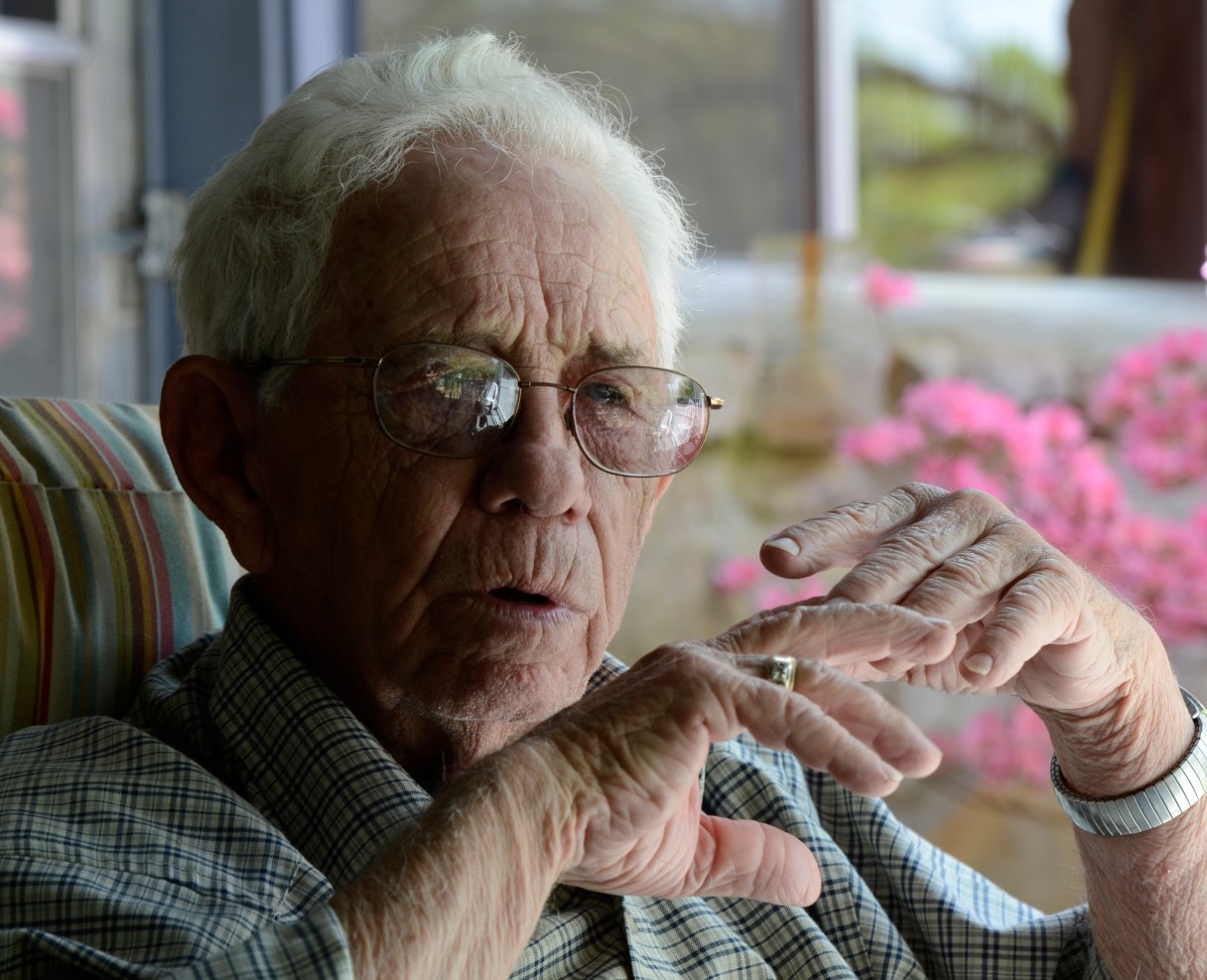
Harry Clemons, then a young 4-H club member, was there.
“I didn’t get to meet FDR, but I was there. It was big deal,” he said.
Seventy-two years ago, Harry and his family were chronicled in a farm home on Signal Mountain for the 1940 U.S. Census. The census listed the young Harry as 7, but by Clemons’ recollection, he was about 14.
“Life was different then,” he recalled recently with a laugh. “We lived almost completely off the land.”
With 15 children, his father, Gilbert Clemons, kept a job through those lean times as a farm manager for a Chattanooga food company owner.
“It was a lifesaver for us,” Clemons said. “And it was a great way to grow up.”
Statistical information from the 1940 Census shows Chattanooga and its metro area had 50,300 dwellings, and 30,494 were occupied by renters. The average monthly rent was $15.75, while the average owner-occupied home was valued at $3,048.
Today, metro Chattanooga has 209,000 households with an average home value of more than $143,000 and an average rent of $688.
In 1940, about 75 percent of Chattanooga homes had a radio, but more than 10 percent, 6,137, still had no flushing toilet, and more than 15 percent still had no running water. Fewer than half had refrigerators and one-third still had ice boxes. Nearly 8,000 homes had neither.
While this type of information has been available in online archives for years, the release earlier this month of individual family responses to the census is new.
Family answers to census questions gives historians and family history researchers a world of new information about their parents’ and grandparents’ lives, according to genealogist Jim Douthat.
“It gives you information about your ancestors that includes their educational levels, their incomes, their occupations, and how long they were living where they were living [in 1940],” said Douthat, who recently was honored by the Chattanooga Area Historical Association with the first James W. Livingood Historian of the Year award.
The information is available online free through the www.census.gov, but it is not yet name-indexed, as previous census pages are.
“You have to know about where your families were living at the time, and then just browse the pages for them,” said Douthat, whose publishing house, Mountain Press, manages about 200 historical titles by historians and genealogists all over the Southeast.
Rick Koelz, a family historian and genealogist in Nashville, said 1940 was the first U.S. Census to require that census takers record the street and house number for each household they listed.
“In this world of Google Earth, that means you can really pinpoint where they lived,” Koelz said.
Census takers also asked where the families were living in 1935, so the 1940 census gives more information about the itinerant nature of the Depression years.
And in 1940, for the first time, the census asked occupants for their annual income.
“I remember seeing one postal mail carrier whose annual income was listed as $2,200,” Koelz said. “Of course, there were ways to get around the question. Business owners didn’t have to answer. My grandfather didn’t answer, but my grandmother, who was a full-time bookkeeper, made just over $900.”
Koelz said the census also likely helped the government verify unemployment figures, asking how many months in the past year a person was employed and listing whether they worked in any of the government programs such as Civilian Conservation Corps.
But both Clemons and Koelz think the 1940 census’ main value today may be as a memory and conversation starter.
Clemons recalled that his father and his siblings built a dairy barn, spring house and pond dam on the farm they took care of in those years.
Koelz said he’s heard stories of family historians calling living relatives to tell them they found them on the census.
“When they said, ‘And you lived beside so-and-so and so-and-so,’ it sparked lots of conversations.” he said. “It’s gotten people to talk about their lives at that time. And that brings on lots of family stories.”