
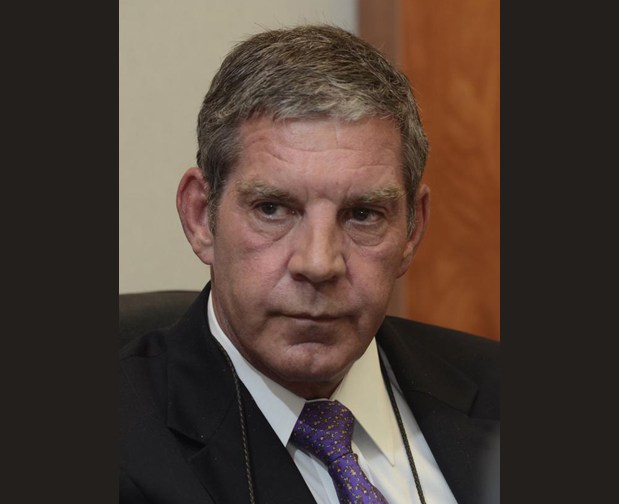
 Albert Waterhouse
As a lifelong Chattanooga resident, I have witnessed the Scenic City’s dramatic transformation from an industrial town into a city whose cultural offerings and natural amenities are a regional and national draw for residents and tourists alike.
The combination of a tastefully and responsibly planned city and nearby natural areas for people to hike, climb, paddle, mountain bike and run is a powerful thing. And the investments made by the city, the Benwood and Lyndhurst foundations and others have made our built environment extraordinary.
While I enjoy life in a city that offers so many amenities, when my workday is over it is the natural amenities of our community that are my refuge. I enjoy a good run and often can be found at the Chattanooga Arboretum and Nature Center getting in a few miles when I can.
It was there that former caretaker Jeff Hunter told me about Tennessee Wild, a conservation initiative to protect nearly 20,000 acres of the Cherokee National Forest by designating those lands as federal wilderness. Tennessee Wild is a coalition of conservation groups working to designate Big Frog, Little Frog, Joyce Kilmer Slickrock, Sampson Mountain and Big Laurel Branch Wilderness areas, and the creation of the new 9,038 acre Upper Bald River Wilderness as federally protected wilderness areas. I have hiked and camped all my life throughout the United States, Central and South America, the Caribbean, Europe and North Africa; and there is nothing I have experienced that holds a candle to the stunning beauty and mystical presence of these areas right in our very backyard.
At no cost to the American taxpayer, Tennessee’s natural areas could receive a wilderness designation, the highest form of protection for public land. The designation requires an act of Congress. Despite Sen. Lamar Alexander’s championing of this effort, and our former mayor and current U.S. Sen. Bob Corker’s co-sponsoring of the Tennessee Wilderness Act, the bill has failed to pass either of the past two Congresses.