
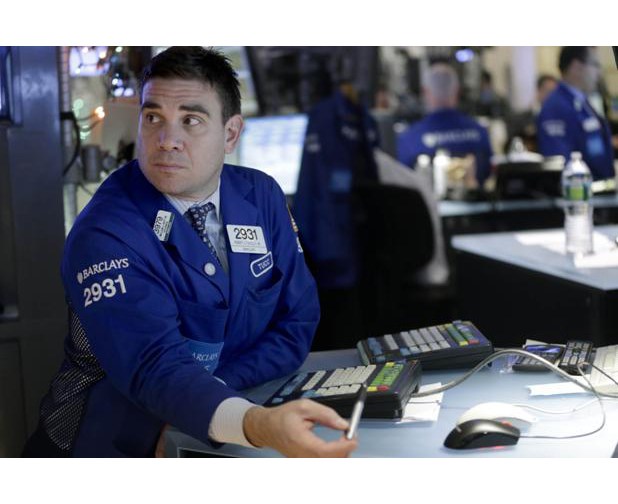
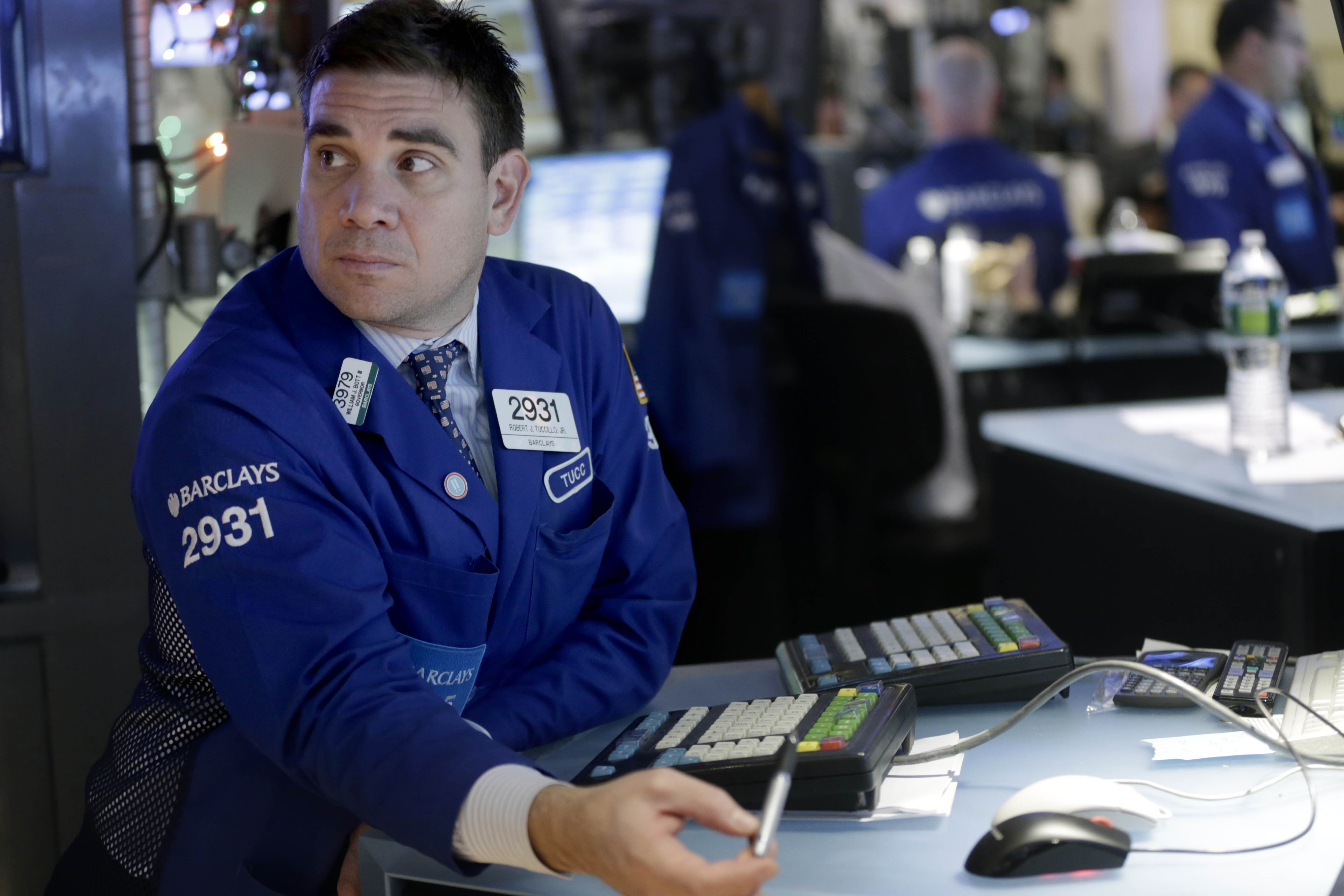
 A trader works on the floor at the New York Stock Exchange in New York.
NEW YORK – When lawmakers delivered a long-delayed, last-minute agreement on the budget, Wall Street celebrated. And it would be easy to think that the surge in the Dow the following day meant that investors had put their concerns about Washington’s political gridlock behind them.
The Dow Jones industrial average surged on the news, but that doesn’t mean the volatility is over. In fact, there could be more turmoil in the market soon because decisions on cutting the federal budget deficit have been put off until March, when the government will reach its borrowing limit. Republicans have already said they will demand cuts to spending as a condition for extending the limit.
“The uncertainty is still there, the key issues are spending cuts and entitlement reforms and, for the most part, those were not addressed,” says Terry Sandven, chief equities strategist at U.S. Bank Wealth Management. “This sets the stage for sharper rhetoric and increased market volatility as these discussions evolve.”
The last time lawmakers tussled over the debt limit, the stock market plunged and the U.S. government lost its AAA debt rating. The Dow fell almost 7 percent in the two weeks before an agreement was reached Aug. 3, 2011.
Many business leaders objected to the agreement lawmakers reached late Tuesday. The Business Roundtable, an association of chief executive officers of leading U.S. companies, said that although it addressed some of the immediate negative consequences that the economy would have faced going over the “fiscal cliff,” it failed to address the “serious and fundamental” reforms the economy needs. The National Retail Federation said that the deal was welcome, though it was only the first step in necessary tax reform.