
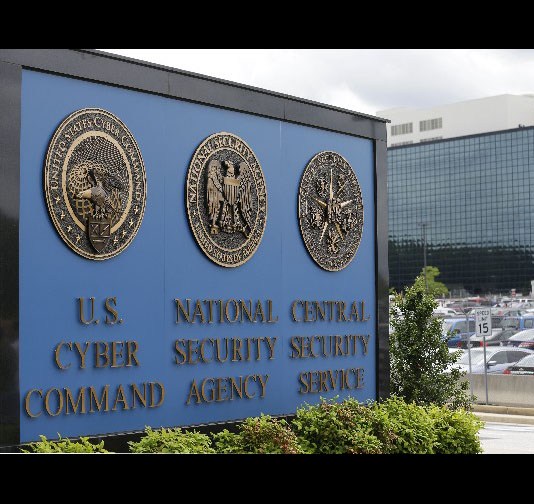
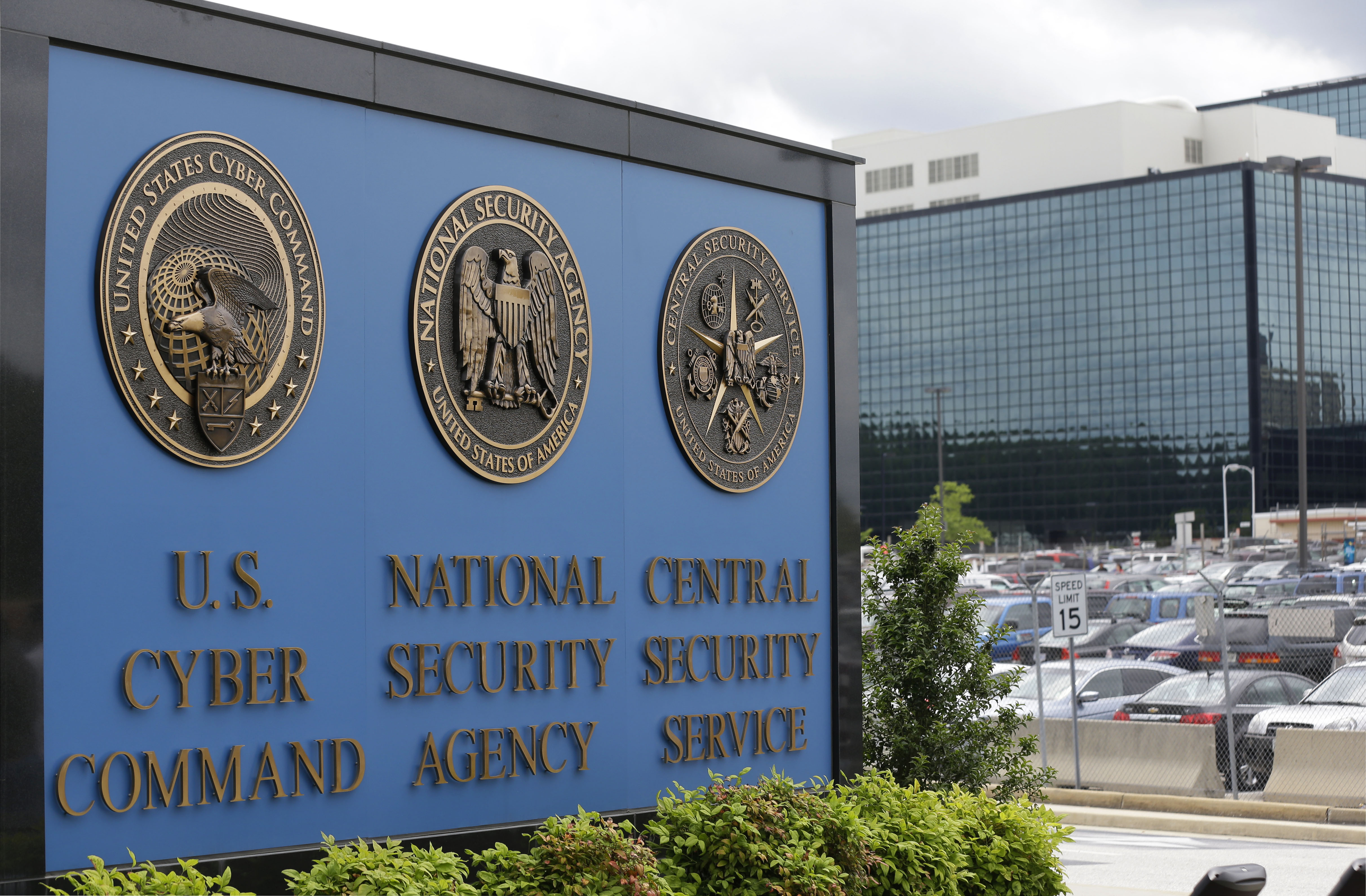
 A sign marks the National Security Administration campus in Fort Meade, Md. After 9/11, there were no shades of gray. There are plenty now. The vigorous debate over the collection of phone records, and the narrow House vote to maintain the practice, buries any notion that challenging the national security efforts of the government is out of line, even unpatriotic.
WASHINGTON – After 9/11, there were no shades of gray. There are plenty now.
The vigorous debate over the collection of millions of Americans’ phone records, underlined by a narrow House vote upholding the practice, buried any notion that it’s out of line, even unpatriotic, to challenge the national security efforts of the government.
Democrats and Republicans, conservatives and liberals, joined in common cause against the Obama administration’s aggressive surveillance, falling just short Wednesday night against a similarly jumbled and determined coalition of leaders and lawmakers who supported it.
It’s not every day you see Republican Speaker John Boehner and Democratic leader Nancy Pelosi facing off together against their own parties’ colleagues – with an assist from Rep. Michele Bachmann, no less – to help give President Barack Obama what he wanted. But that’s what it took to overcome efforts to restrict the National Security Agency’s surveillance program.
After the Sept. 11, 2001, terrorist attacks, President George W. Bush warned the world “either you are with us or you are with the terrorists,” period, and those few politicians who objected to anything the U.S. wanted to do for its national security looked like oddballs.