
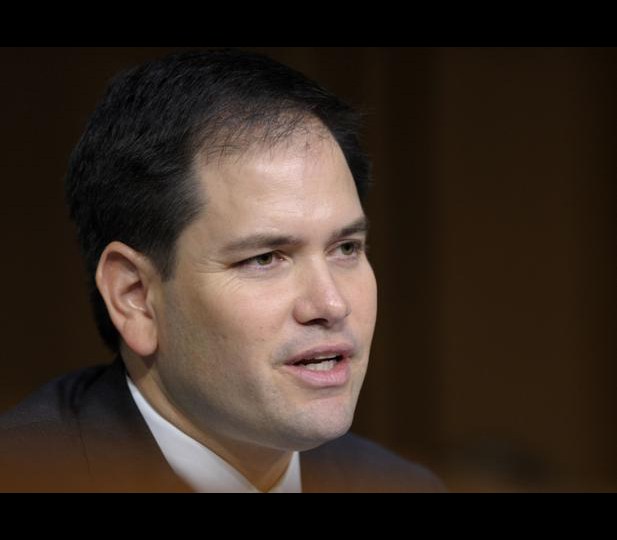
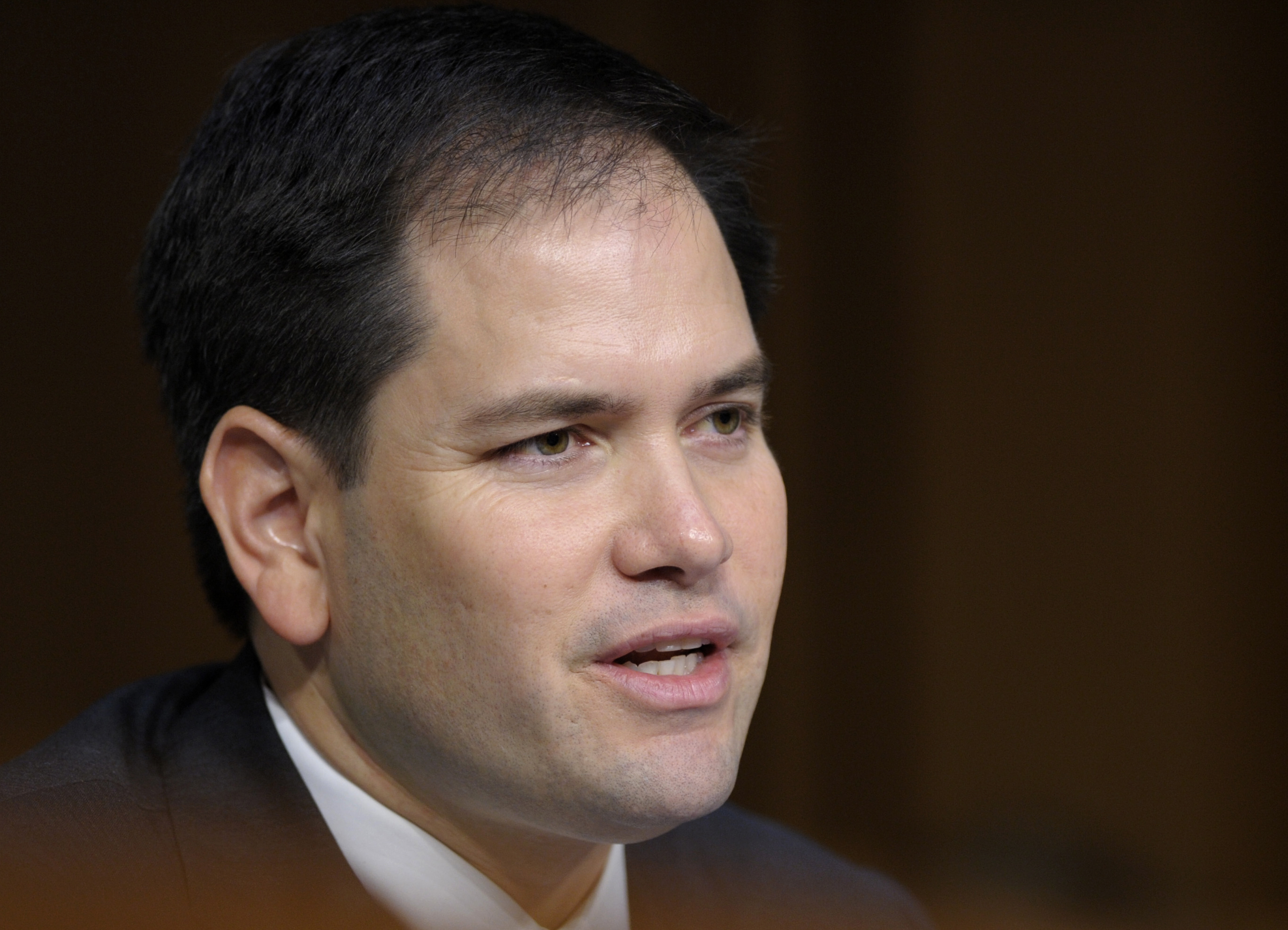
 U.S. Sen. Marco Rubio, R-Fla. is seen on Capitol Hill in Washington. The Republican Party’s search for a way back to presidential success in 2016 is drawing a striking array of personalities and policy options. It’s shaping up as a wide-open self-reassessment by the GOP. Some factions are trying to tug the party left or right. Others argue over pragmatism versus defiance.
WASHINGTON – Republicans’ search for a way back to presidential success is drawing a striking array of personalities and policy options, creating a wide-open self-reassessment of the party. GOP activists may need three full years to decide which candidate and which philosophy will serve them best in 2016.
Rival factions are trying to tug the party left or right, toward pragmatism or defiance, toward small-government purity versus pride in the good that government can do.
Traditional stands against gay marriage and against looser immigration laws are being challenged. And the tea party’s influence – a mixed blessing in recent Senate races – looms large in early presidential jockeying after a muted role in the heart of last year’s contest.
Sen. Rand Paul of Kentucky is generating nationwide attention with a libertarian-tinged message that drew modest attention until a short time ago.
Marco Rubio, a tea party hero since elbowing his way past Florida’s Republican governor in the 2010 Senate race, is practically a GOP mainstreamer now. Republicans don’t need a new idea, he told a recent gathering of the Conservative Political Action Conference, because they already have one. “The idea is called America, and it still works,” Rubio said.