
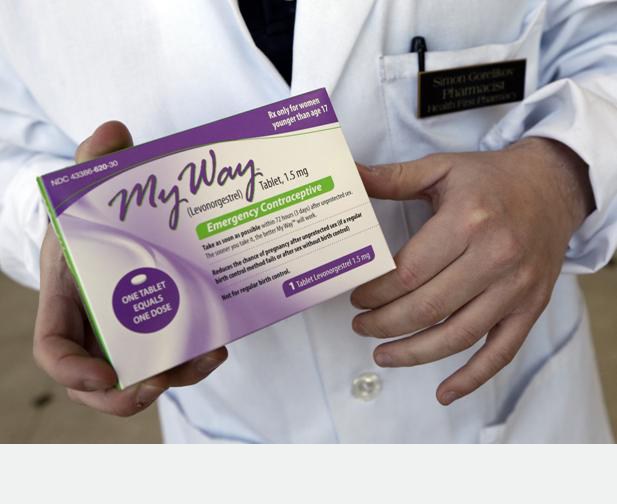
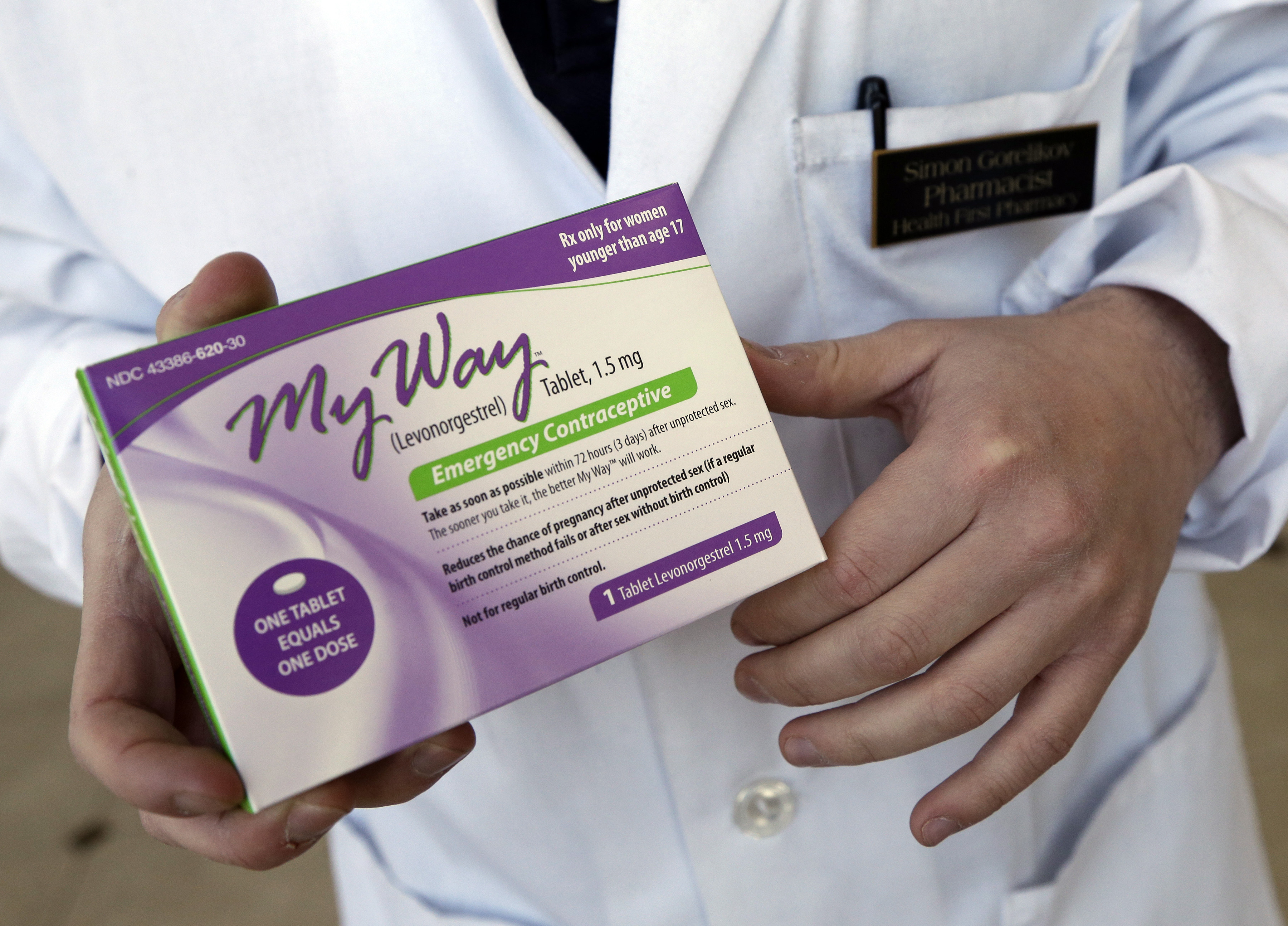
 Pharmacist Simon Gorelikov holds a generic emergency contraceptive at the Health First Pharmacy in Boston. New rules permitting 15-year-olds to get the morning-after pill without a prescription are being debated by teens as well as adults, with some saying it will help kids who can’t confide in an adult, while others say the lower age infringes on a parent’s right to know what’s going on.
VIDEO
This story is featured in today’s TimesFreePress newscast.
MORNING-AFTER PILL CONTROVERSYThe Food and Drug Administration’s decision in 2011 not to make Plan B One-Step available to girls younger than 17 was hotly criticized as a political move in the presidential campaign season.In April, a federal judge ordered the FDA to label the drug as available to all girls and women of reproductive ages by May 6. The drug is produced by Teva Women’s Health Inc. The FDA says its recent decision to make Plan B One-Step more widely available is separate from the April order.It is unclear how the FDA’s decision will affect the Justice Department’s decision to appeal the judge’s ruling by the Monday deadline.While it is often confused with the “abortion pill,” the FDA and other researchers have long insisted the morning-after pill will not end an existing pregnancy or harm a developing fetus. It can prevent ovulation or fertilization of an egg if taken soon after sex.Still, some critics maintain that using the pill is a gray moral area if it prevents a fertilized egg from attaching to the uterus.Sources: The Associated Press, U.S. Food and Drug Administration
The “morning-after pill” may be only 1.5 mg, but for both sides of the debate surrounding it, the tablet carries a lot of weight.
Advocates of making the pill more accessible to younger teens say the emergency contraceptive is crucial to lowering the rate of unwanted pregnancies.
But some local critics and concerned pharmacists say the pill’s power can encourage choices that young teens aren’t ready to handle.