

 Dr. Todd Levin helps patients manage their allergies so they can enjoy their lives.
While tree pollens may be on the downhill slide for the season, grass pollens are beginning to rise in Chattanooga as summer approaches.
“The trees are coming down from their peak, so pollen counts are not as high, but they are still high enough to bother people,” said Dr. Todd Levin of Chattanooga Allergy Clinic. “As the summer starts we start seeing more grass pollen and more mold allergies too, depending on the weather. If it stays cool and doesn’t rain much, tree pollen season could last longer, but if it starts to get hot soon, then it will shut down more quickly.”
He explained that while it can be difficult to identify exactly when the grass pollens are out, the doctors and nurses at Chattanooga Allergy start seeing signs of them via their patients coming in with continued symptoms of congestion, runny nose and eye irritation. Since the symptoms are very much the same as those found in people i three pollen sensitivity, patients have to be tested to determine what they are allergic to and determine what treatment to start and when.
“You should certainly start treating the problem before symptoms occur, if possible,” said Dr. Levin. “Once your symptoms are there the cat’s out of the bag, so to speak, and it can be a little more difficult to get it under control.”
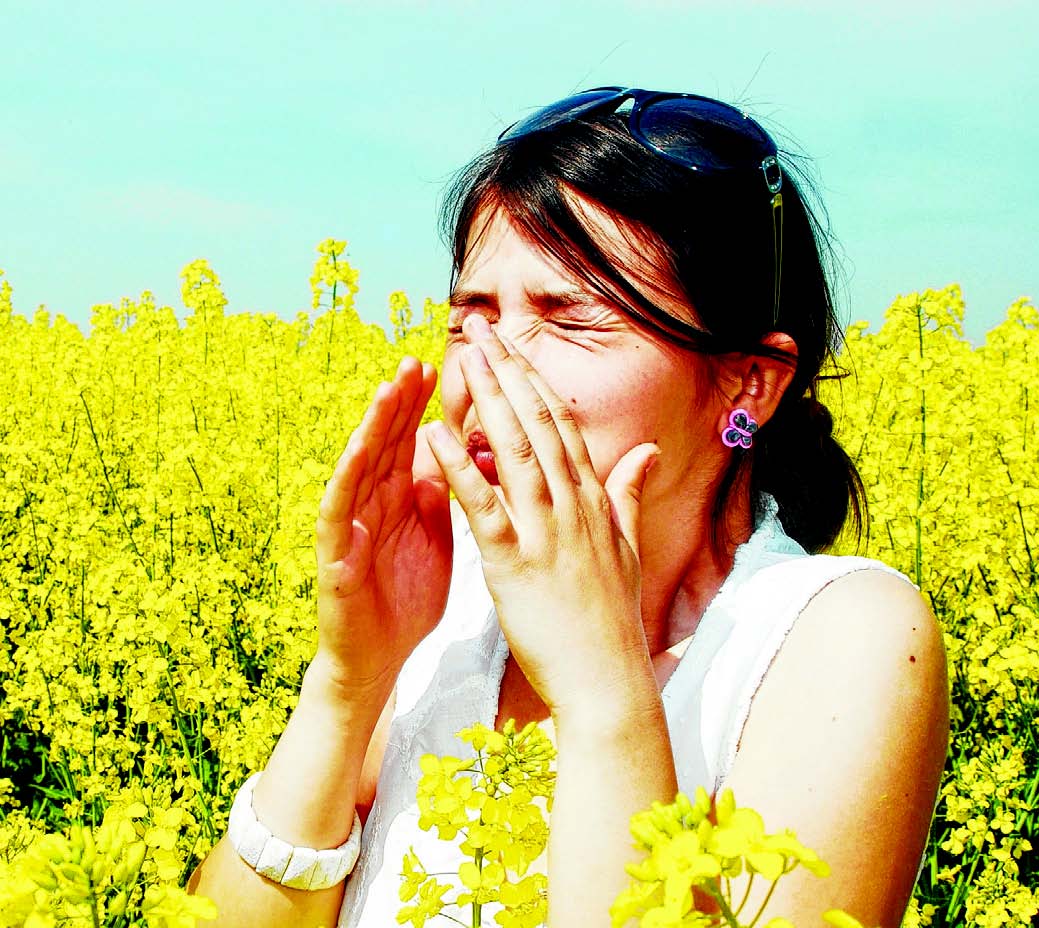
He recommends starting medications, if that’s the best route for the patient, two to four weeks ahead of the season if possible. This time frame allows the medications to get into the patient’s body and fight the allergens as soon as they surface. Medications used during pollen seasons include over-the-counter nasal saline and antihistamines. If those don’t work, Dr. Levin noted that there are prescription-strength medicines available as well.