
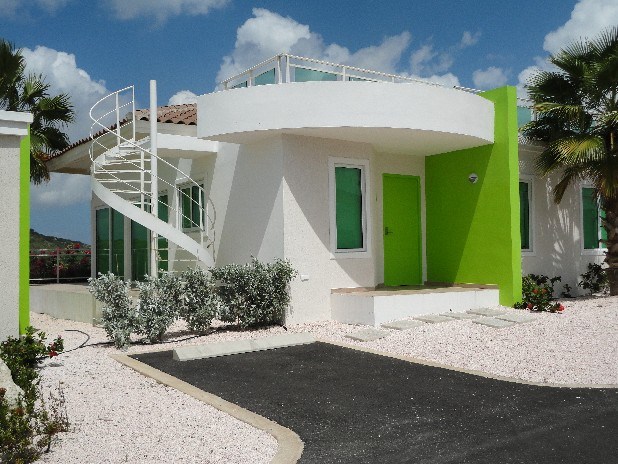


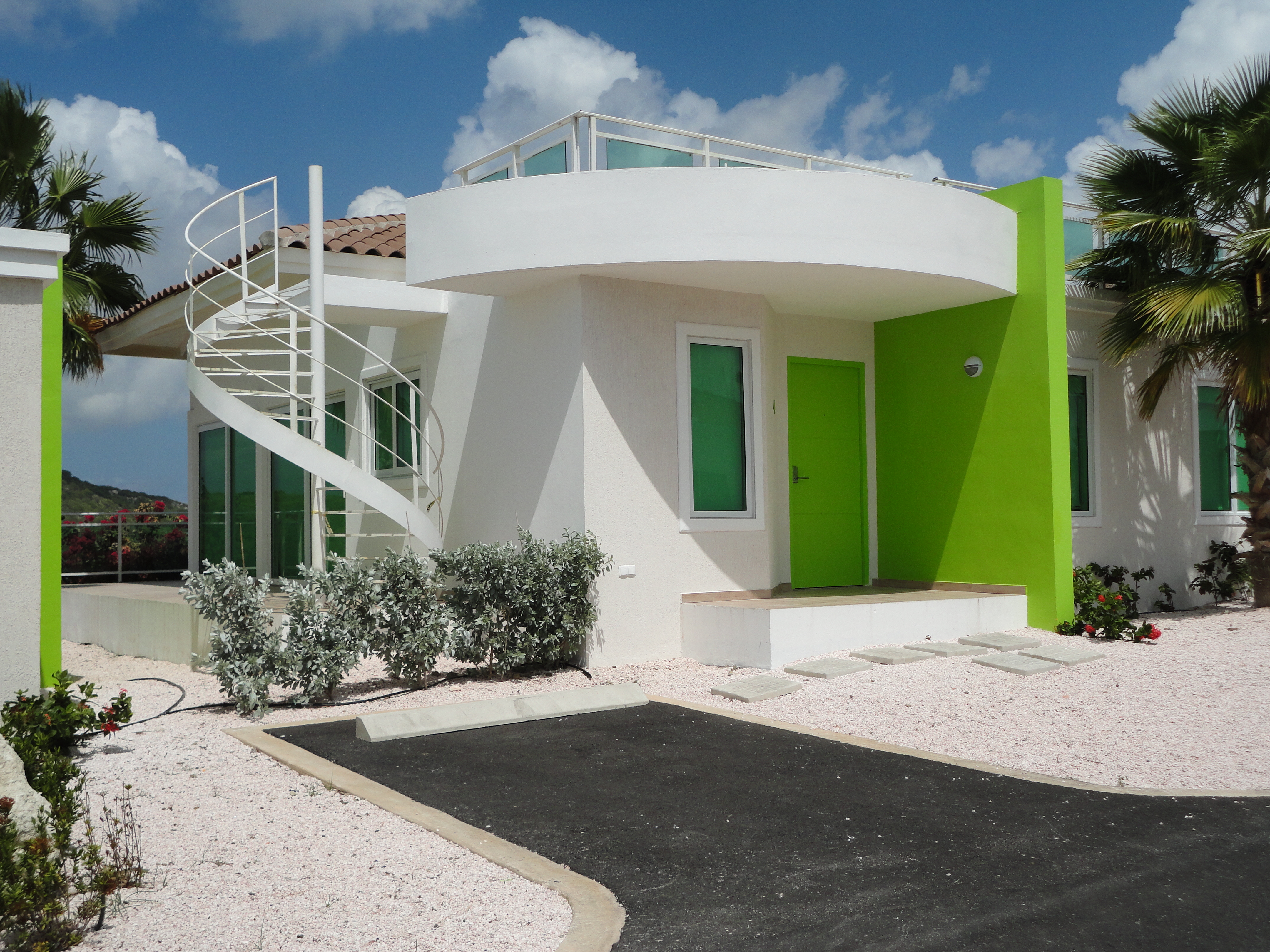
 Rental units at Piscadera Harbour Village include a number of two-bedroom bungalows, each with balconies overlooking the sea or mountains.
FAST FACTS• Standard electricity on the island is 127 volts, not the 110 voltage we have in America, so your hair dryer and other appliances won’t work unless you pack a converter or buy one after your arrival.• On the east end of the island is the colonial-style capital and major port of Willemstad. Most of Curaçao’s 130,000 residents live in the vicinity of the city.• More than 45 different cultures live together in Willemstad, creating a rich and colorful cuisine that reflects the cultural heritage of the island. Dutch specialties are the main element in the city’s cuisine.• Curaçao has Dutch, Papiamentu and English as official languages.
I left home in the darkness of morning as winter’s grip tightened across the Tennessee Valley, sending a chill through my bones. But my thoughts warmed things nicely, knowing that by mid-afternoon I’d be leaving the cold behind and swap it for the trade winds of the Caribbean. Destination: Curaçao.
From the crystal-blue waters that have made the island a mecca for divers to incredible beaches to the year-round temperate climate and friendly people, the island – located just off the coast of Venezuela – draws tourists from around the globe, but primarily Holland and South America. Still, Americans are discovering the island in growing numbers.
Part of the ABC islands – Aruba, Bonaire and Curaçao – Curaçao is a place of contrasts, from mountains to beaches, from laidback hotels to glitzy casinos. Its average temperature is a balmy 82 degrees, so anytime of year is a good time to go, although rates are much cheaper during the off season from April through November.
But the beaches are always open, and the ocean beckons divers, snorkelers and swimmers to waters that become quite deep just yards from shore in many places. Beaches are found nestled in coves all along the coastline and are more natural than others in the Caribbean.