
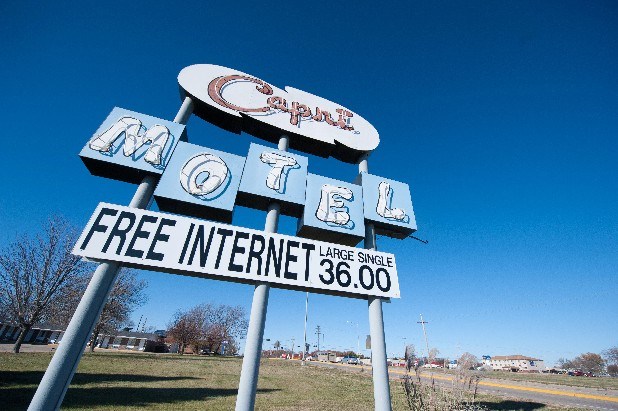
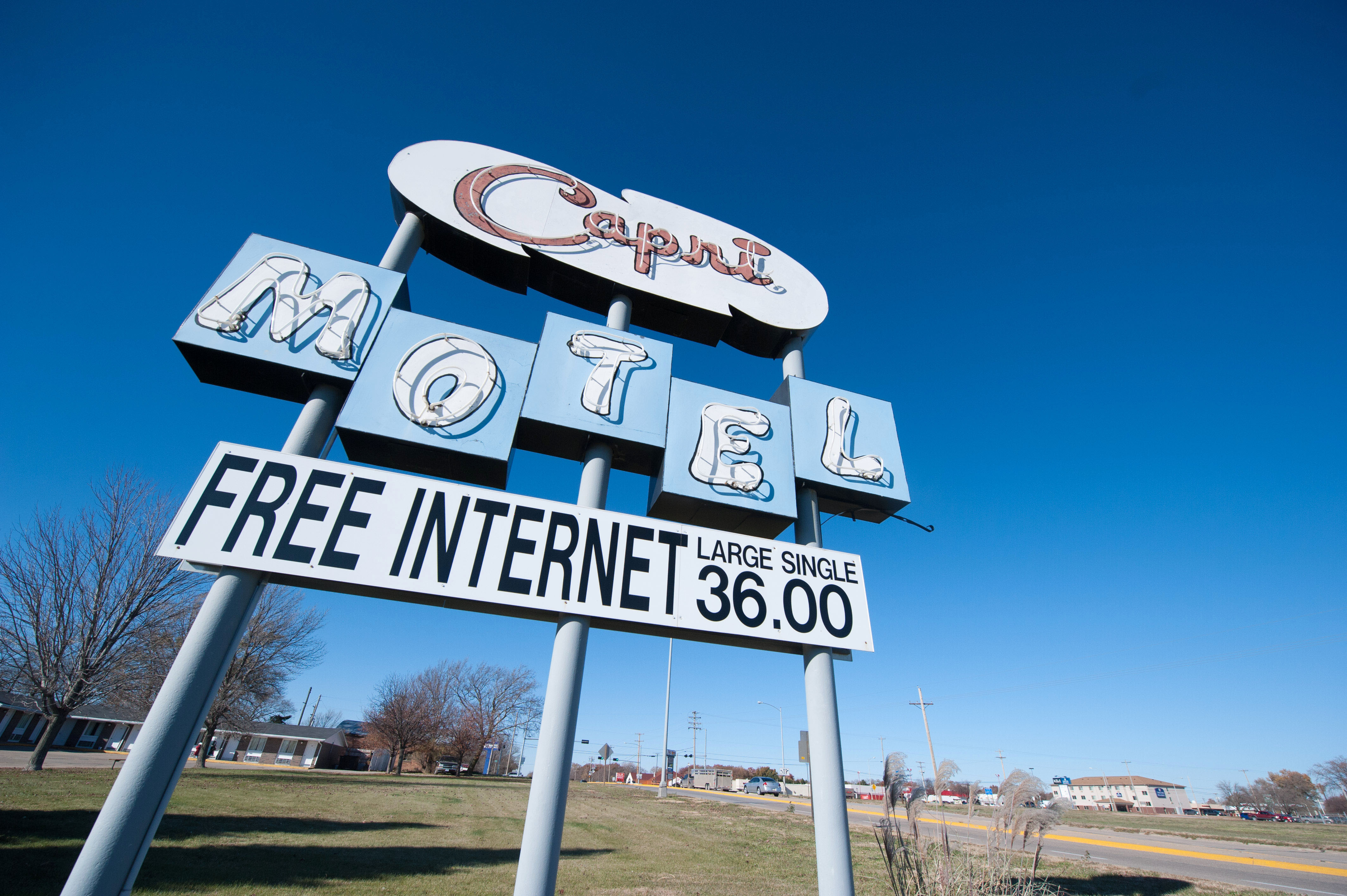
 Randy Brown’s Capri Motel in Fairbury, Neb., once drew hundreds of weekend pheasant hunters. But times have changed. The native grasslands and milo crops that used to dot surrounding Jefferson County have been overtaken by corn and soy crops. Neither provides the shelter that wildlife once enjoyed and hunters are staying away.
SIOUX FALLS, S.D. – Pheasants once drew hundreds of weekend hunters to Fairbury, Neb., each fall, filling the 45 rooms at Randy Brown’s Capri Motel with sportsmen eager to bag their limits.
But times have changed. The native grasslands and milo crops that used to dot surrounding Jefferson County have been overtaken by corn and soy crops. Neither provides the shelter that wildlife once enjoyed. This year’s opener drew just two rooms of out-of-state hunters to the Capri, one of many businesses indirectly affected as farmers move to meet the nation’s demand for biofuel.
“We don’t have the habitat we had 20 years ago,” said Brown, owner of the motel near the Nebraska-Kansas border. “Everything’s against the pheasants right now.”
The U.S. Conservation Reserve Program, which pays landowners not to farm their property, has been a boon to wildlife. Since its creation in 1985, it has boosted populations of ducks, ring-necked pheasants, prairie chickens, Columbian sharp-tailed grouse and other wildlife by providing areas where they can feed and reproduce. The birds bring money.
Pheasant hunting has long been a pastime in the region, especially in South Dakota. Its reputation for stocked fields has made it a national draw, credited with pulling $170 million into the state economy last year. Each fall, thousands of out-of-staters arrive at the state’s airports with dogs, shotguns and plenty of blaze orange for their trip afield.