
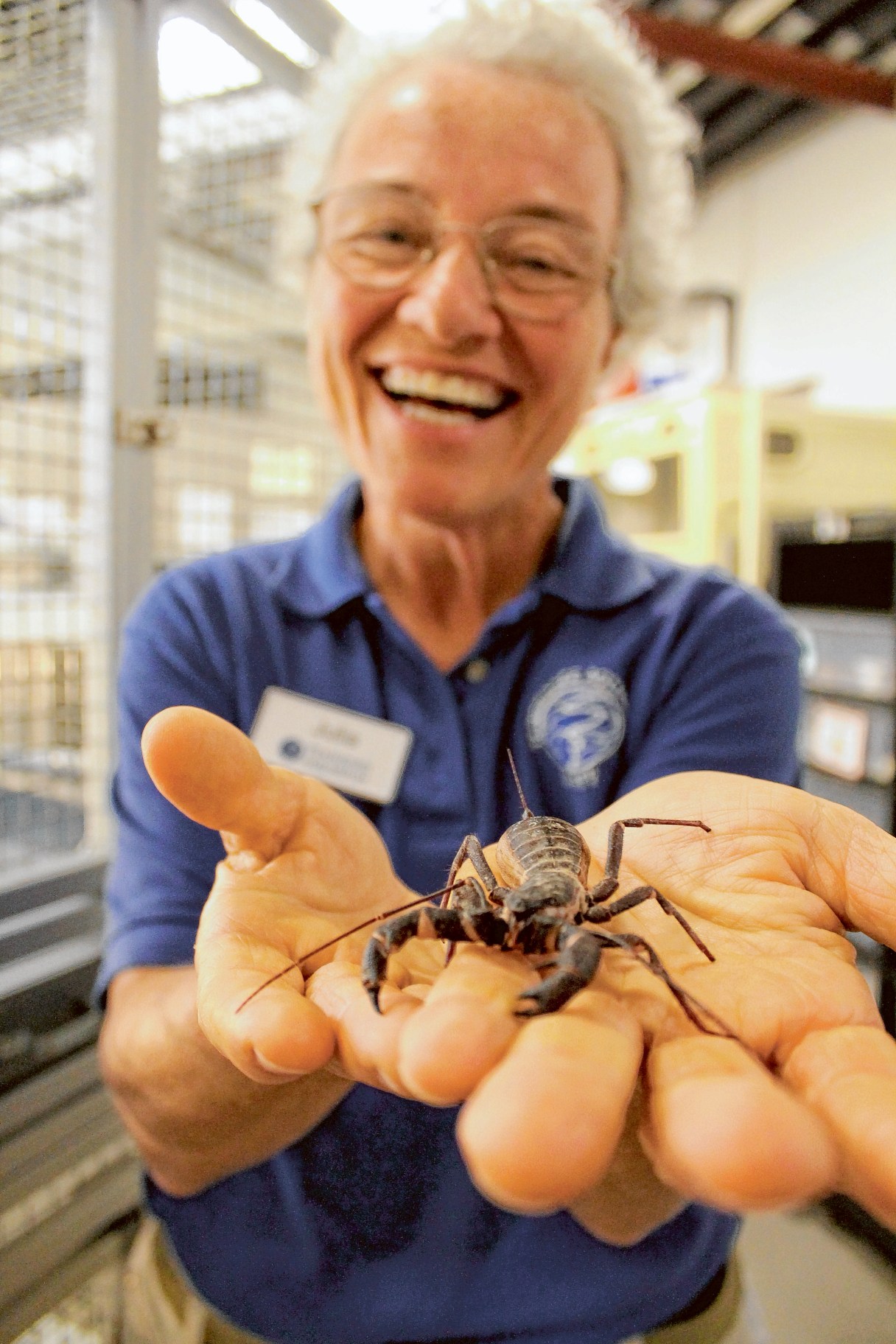
Pointed fangs, hairy bodies and all those legs! It can only mean one thing: the Tennessee Aquarium’s Bug Club is gearing up for its next meeting in October and this month’s topic is “Scary Bugs,” of course.
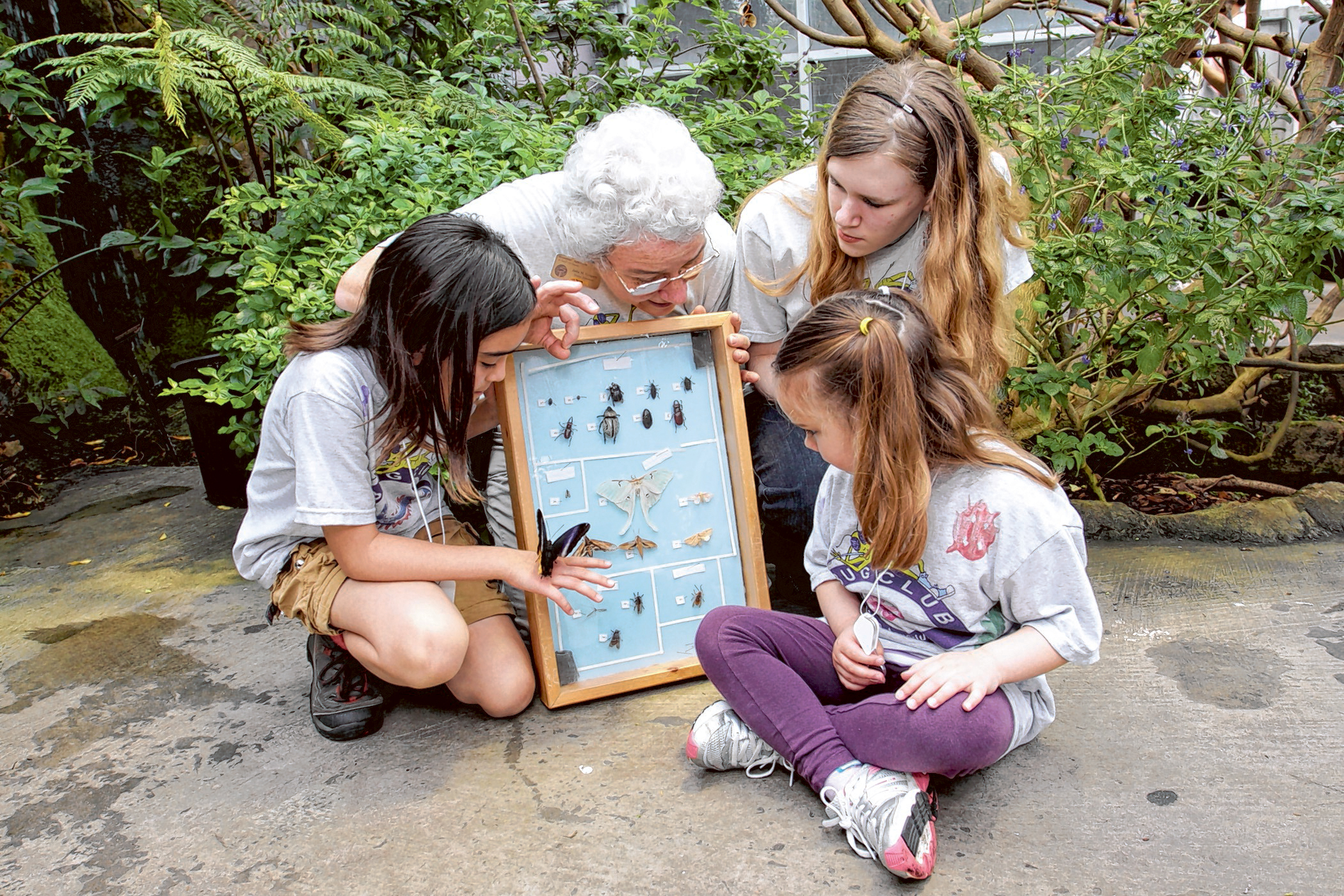
“I feel very strongly that bugs are possibly the best teaching tool in the world,” says Aquarium senior educator Julia Gregory. “There are so many of them and they’ve been around so long. And they’re accessible- everyone has them in their backyard.” The Bug Club, headed up by Gregory, has been going strong within the Aquarium’s walls for more than 13 years. Each month, 5-11 year olds gather for show and tell, snacks and creepy-crawly lessons on arthropods.
The monthly meetings usually take inspiration from the current season, explains Gregory. During
the summer months the Bug Club spends its time romping through Chattanooga’s green spaces, stream stomping and embarking on treks such as The Great Bug Hunt. Cool winter months bring back favorites like the “Bugs Did It First” lesson in November and other festivities, including insect ornament decorating in December.
Every Bug Clubber also knows not to miss the Ugly Bug Ball in February, complete with fluttering costumes and unorthodox snacks. “It’s not the Ugly Bug Ball without Mexican spice meal worms and chirpy chocolate chip cookies,” Gregory laughs, explaining she’s picked up a few bug- filled recipe books over the years. “Some of the kids eat the bugs and some don’t go near them.”
Julia Gregory holds a vinegaroon, also known as a whip scorpion. though the pinchers and whip-like tail appear menacing, Gregory says the bugs are virtually harmless to humans.
Gregory adds that learning about and getting to interact with bugs is a great way to become more comfortable in the great outdoors. “We’re most scared of things we don’t understand,” she says. “We want to teach a certain respect for life, so we have a catch and release policy. We try to weave in as much ethical living and as many conservation messages as we can.”