
LISBON, Portugal (AP) – Portuguese authorities are providing 4.9 billion euros ($6.6 billion) in emergency funds to prevent the collapse of Banco Espirito Santo, one of the eurozone country’s oldest and biggest financial institutions.
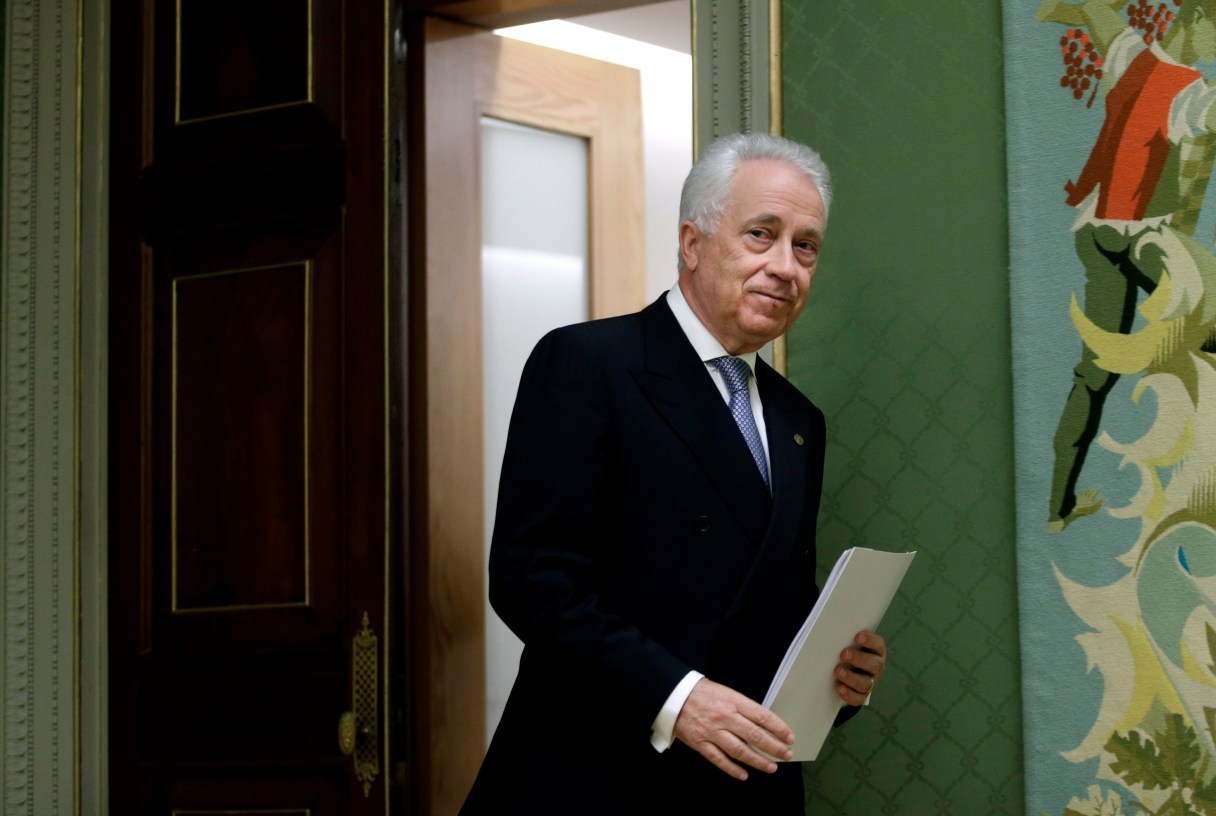
Bank of Portugal governor Carlos Costa said late Sunday the money will come from a special fund set up during the eurozone’s recent financial crisis. The fund was created to help financial institutions in difficulty.
The move came after Banco Espirito Santo’s share price lost around 75 percent of its value last week. The stock crashed after the bank reported a record half-year loss of 3.58 billion euros as previously unreported debts came to light after an audit. Shares were suspended from trading on Friday and continued to be halted Monday as authorities plan the bank’s restructuring.
The scandal involving the Espirito Santo family, one of Portugal’s best-known families, has gripped public attention. It has also spooked international markets, which fear the financial crisis that recently hit countries sharing the euro currency may not be over and more financial secrets remain to be discovered.
Costa said authorities were compelled to step in to prevent contagion to the rest of the Portuguese financial system.