
Thursday, November 12, 2026Nov 12

Like stocks, junk bonds show investor jitters

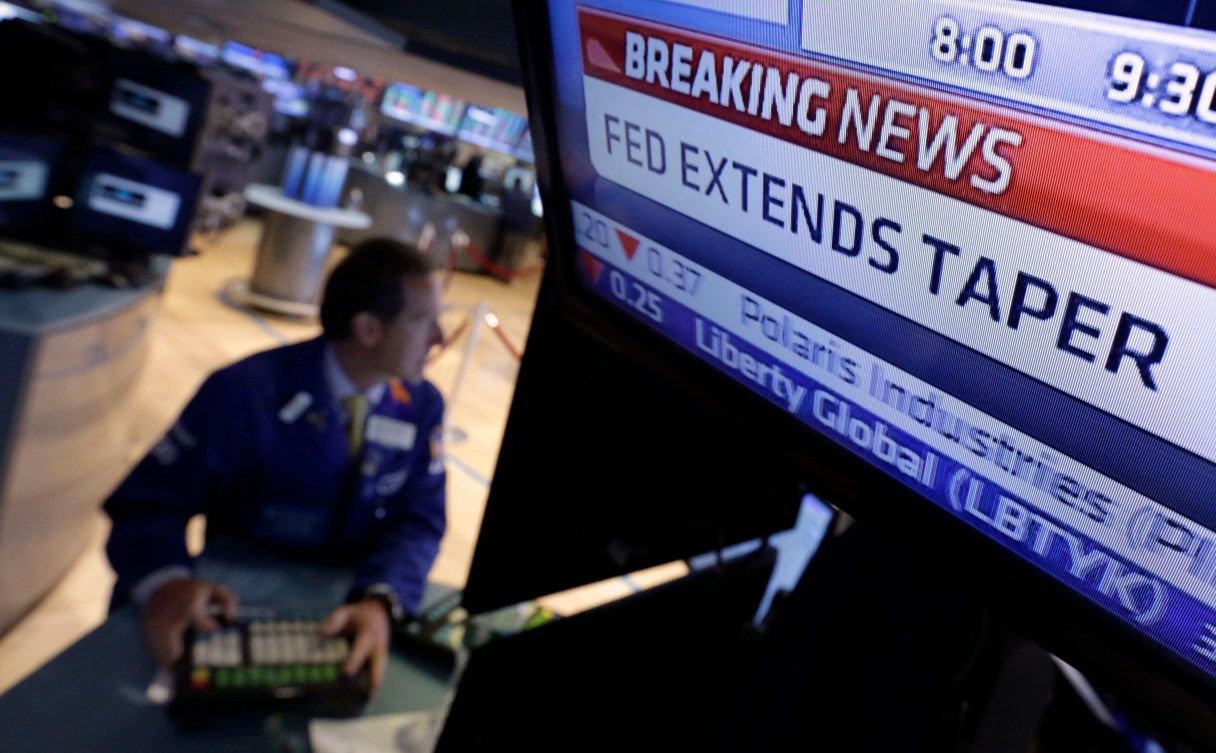
FILE - In this June 18, 2014 file photo, a television monitor at a trading post on the floor of the New York Stock Exchange shows the decision of the Federal Reserve. Like with other higher-risk investments, investors have pulled back from junk, or high yield, bonds because they worry about the end of the Federal Reserve’s policy near-zero interest rates. Investors expect the central bank to raise rates sometime next year, and that means the value of bonds currently held in portfolios will fall.  (AP Photo/Richard Drew, File)
FILE - In this June 18, 2014 file photo, a television monitor at a trading post on the floor of the New York Stock Exchange shows the decision of the Federal Reserve. Like with other higher-risk investments, investors have pulled back from junk, or high yield, bonds because they worry about the end of the Federal Reserve’s policy near-zero interest rates. Investors expect the central bank to raise rates sometime next year, and that means the value of bonds currently held in portfolios will fall. (AP Photo/Richard Drew, File) FILE - In this June 18, 2014 file photo, a television monitor at a trading post on the floor of the New York Stock Exchange shows the decision of the Federal Reserve. Like with other higher-risk investments, investors have pulled back from junk, or high yield, bonds because they worry about the end of the Federal Reserve’s policy near-zero interest rates. Investors expect the central bank to raise rates sometime next year, and that means the value of bonds currently held in portfolios will fall. (AP Photo/Richard Drew, File)

NEW YORK (AP) – The stock market isn’t the only place that’s been signaling jitters among investors. The $2.3 trillion market for risky U.S. corporate debt has also been under pressure.

A five-year rally in junk bonds abruptly stalled last month. As with other higher-risk investments, investors have pulled back mainly because they worry about the end of the Federal Reserve’s policy of near-zero interest rates. Investors expect the central bank to raise rates sometime next year, and that means the value of bonds currently held in portfolios will fall.

Junk, or high-yield, bonds are sold by companies with relatively high debt in comparison to their income. If yields on safer bonds like Treasurys were to climb, they would draw more investor interest. Companies selling junk bonds would then have to increase their yields to compensate investors for the higher risk. Doing so would diminish the value of junk bonds currently in circulation.

In July, those concerns hit the market, leaving junk bond investors with a 1.3 percent loss for the month. It was the worst monthly performance since June 2013.

Junk-bond yields have fallen so far that many investors now feel the risks outweigh the potential return. Five years ago, the average junk bond yielded 11.5 percent. By June, the yield had dropped to a record low of 4.83 percent, according to data from the investment bank Barclays.