
Saturday, October 31, 2026Oct 31

This story is free to read.

Greek archaeologists enter large underground tomb

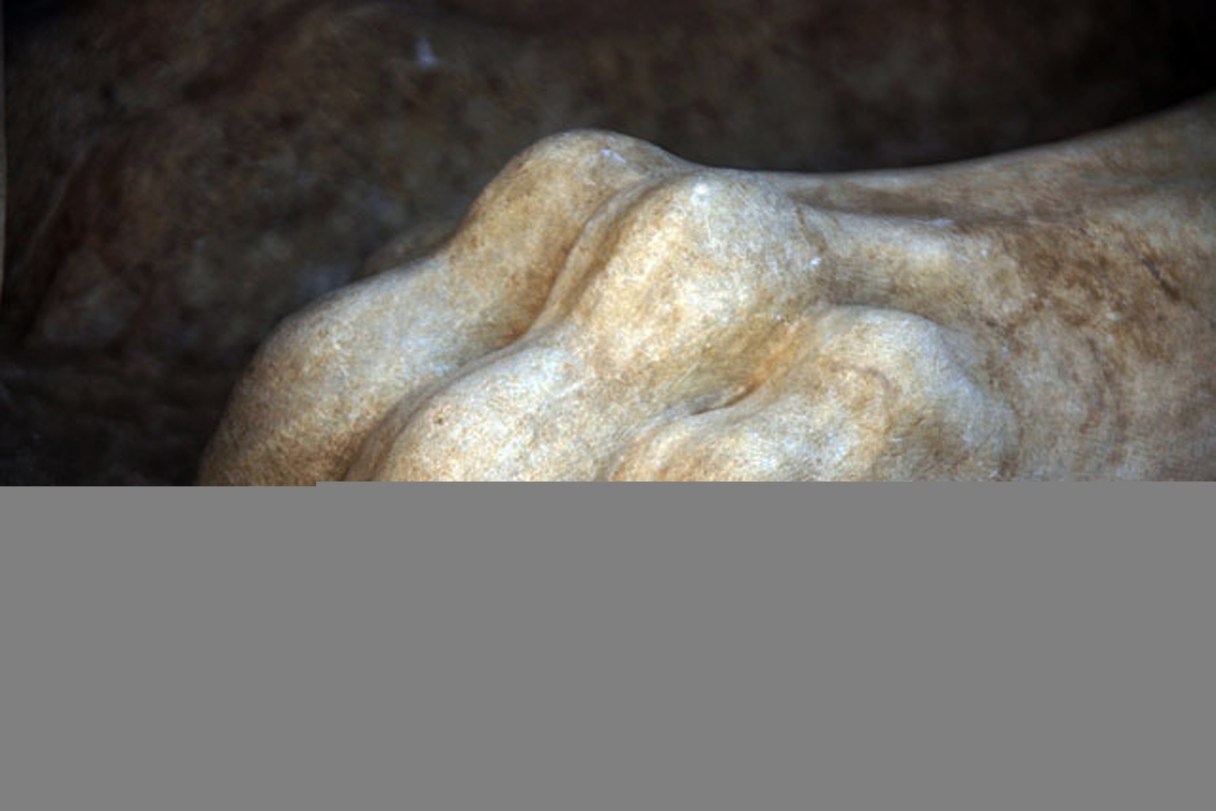
In this handout photo released by the Greek Culture Ministry on Wednesday, Aug. 20, 2014, front paw of a large stone sphinx is seen topping the entrance to an ancient tomb under excavation at Amphipolis in northern Greece. Archaeologists excavating the large grave mound on Thursday asked politicians and others seeking guided tours of the site to leave them in peace until the dig is completed. The partially uncovered tomb, from the end of Greek warrior-king Alexander the Great’s reign, has captivated the public imagination, fueling wild speculation that it may contain rich treasure and the bones of an ancient celebrity. (AP Photo/Culture Ministry, HO)
In this handout photo released by the Greek Culture Ministry on Wednesday, Aug. 20, 2014, front paw of a large stone sphinx is seen topping the entrance to an ancient tomb under excavation at Amphipolis in northern Greece. Archaeologists excavating the large grave mound on Thursday asked politicians and others seeking guided tours of the site to leave them in peace until the dig is completed. The partially uncovered tomb, from the end of Greek warrior-king Alexander the Great’s reign, has captivated the public imagination, fueling wild speculation that it may contain rich treasure and the bones of an ancient celebrity. (AP Photo/Culture Ministry, HO) In this handout photo released by the Greek Culture Ministry on Wednesday, Aug. 20, 2014, front paw of a large stone sphinx is seen topping the entrance to an ancient tomb under excavation at Amphipolis in northern Greece. Archaeologists excavating the large grave mound on Thursday asked politicians and others seeking guided tours of the site to leave them in peace until the dig is completed. The partially uncovered tomb, from the end of Greek warrior-king Alexander the Great’s reign, has captivated the public imagination, fueling wild speculation that it may contain rich treasure and the bones of an ancient celebrity. (AP Photo/Culture Ministry, HO)

ATHENS, Greece (AP) – Archaeologists excavating an ancient tomb under a massive burial mound in northern Greece have entered the underground structure, which appears to have been looted in antiquity.

The Culture Ministry said Monday that archaeologists have partially investigated the antechamber of the tomb at Amphipolis and uncovered a marble wall concealing one or more inner chambers. However, a hole in the decorated wall and signs of forced entry outside the huge barrel-vaulted structure indicate the tomb was plundered long ago. The excavation will continue for weeks.

The tomb dates between 325 B.C. – two years after the death of ancient Greek warrior-king Alexander the Great – and 300 B.C. Its discovery, and a visit there by Greece’s prime minister, have sparked extensive speculation on its contents.

Alexander was buried in Egypt.