
TEL AVIV, Israel (AP) – The third Gaza War in six years appears to have ended in another sort of tie, with both Israel and Hamas claiming the upper hand. Their questionable achievements have come at a big price, especially to long-suffering Palestinians in Gaza.
In a sense, Israel got what it wanted: Hamas stopped firing rockets in exchange for mostly vague promises and future talks. But the cost to Israel was huge: Beyond the 70 people killed – all but six of them soldiers – the economy has been set back, the tourism season destroyed, its people rattled for 50 days and its global standing pummeled by images of devastation in Gaza.
Prime Minister Benjamin Netanyahu faces bristling from people who sense that Hamas controlled events and could not have its grip loosened on the Gaza Strip, which it seized by force from the Palestinian Authority in 2007. Around the corner lie international investigations into war crimes allegations.
Hamas is celebrating its success after surviving Israel’s far superior firepower. The Islamic militant group’s rocket fire emptied a string of Israeli border communities and disrupted Tel Aviv’s international airport. Weak a few months ago, it may emerge as more of a player in Palestinian politics and in the region, and the plight of Gazans is again atop the world’s concerns.
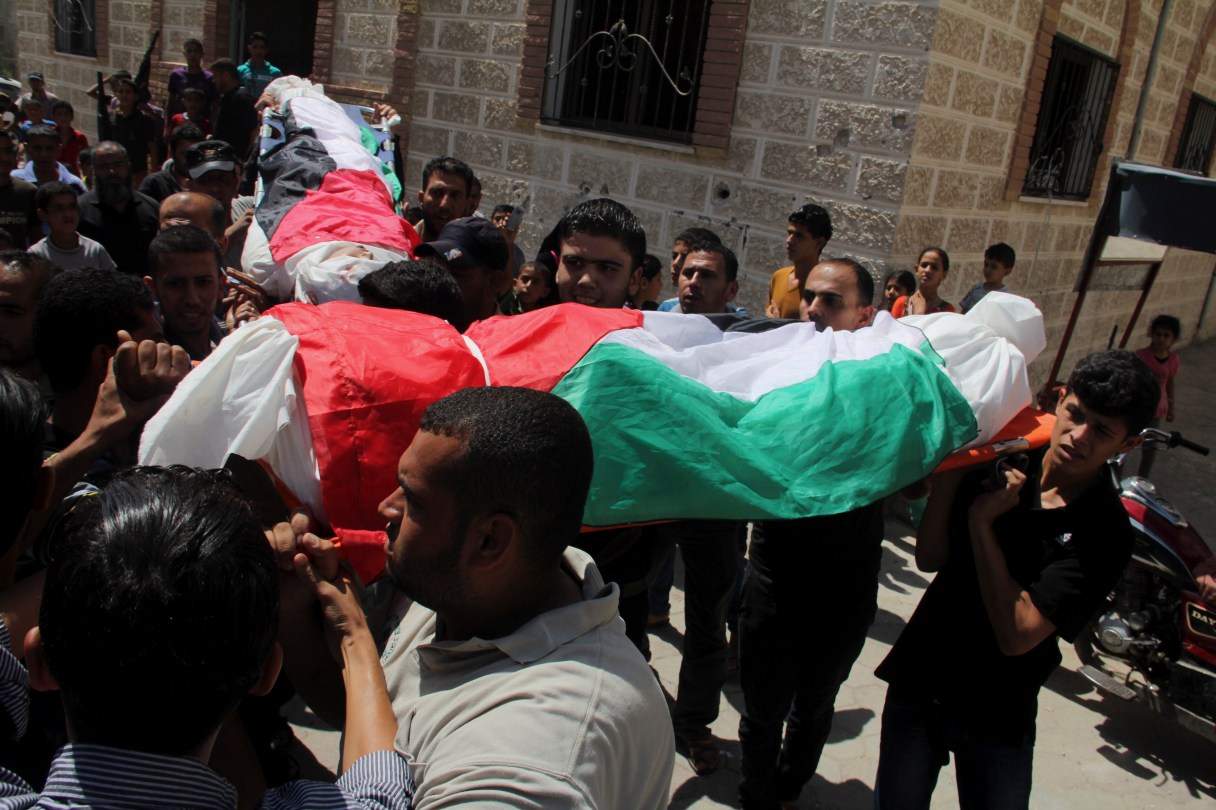
It also paid dearly: 2,143 Palestinians were killed, including nearly 500 children and hundreds of militants, according to U.N. and Palestinian figures. The U.N. estimates the war destroyed or severely damaged 17,200 homes and left 100,000 Palestinians homeless, with considerable swaths of Gaza in rubble. Hamas’ rocket arsenal is much depleted and many – if not all – of its attack tunnels against Israel have been destroyed.