
Friday, November 6, 2026Nov 6

This story is free to read.

EU makes move to let member states block GM crops

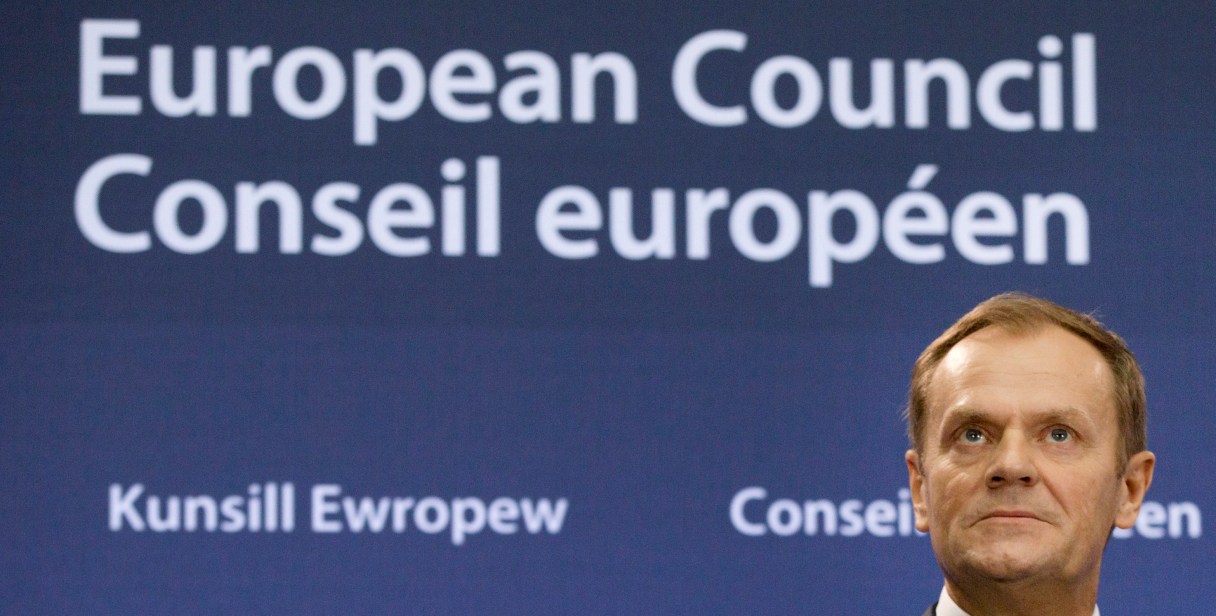
Incoming European Council President Donald Tusk listens to an introduction during a handover ceremony for the European Council Presidency at the EU Council building in Brussels on Monday, Dec. 1, 2014. Poland’s former prime minister Donald Tusk is pushing the EU’s center of political gravity eastward by taking over the EU Presidency from Belgium’s Herman Van Rompuy. Monday’s transition ceremony highlighted the increasing power of Poland within the 28-nation EU and further shift from a west European economic association to a strong political body uniting some 500 million people from Britain to the borders of Russia in the east. (AP Photo/Virginia Mayo)
Incoming European Council President Donald Tusk listens to an introduction during a handover ceremony for the European Council Presidency at the EU Council building in Brussels on Monday, Dec. 1, 2014. Poland’s former prime minister Donald Tusk is pushing the EU’s center of political gravity eastward by taking over the EU Presidency from Belgium’s Herman Van Rompuy. Monday’s transition ceremony highlighted the increasing power of Poland within the 28-nation EU and further shift from a west European economic association to a strong political body uniting some 500 million people from Britain to the borders of Russia in the east. (AP Photo/Virginia Mayo) Incoming European Council President Donald Tusk listens to an introduction during a handover ceremony for the European Council Presidency at the EU Council building in Brussels on Monday, Dec. 1, 2014. Poland’s former prime minister Donald Tusk is pushing the EU’s center of political gravity eastward by taking over the EU Presidency from Belgium’s Herman Van Rompuy. Monday’s transition ceremony highlighted the increasing power of Poland within the 28-nation EU and further shift from a west European economic association to a strong political body uniting some 500 million people from Britain to the borders of Russia in the east. (AP Photo/Virginia Mayo)

BRUSSELS (AP) – The European Union is taking a big step toward giving EU member states the power to ban the cultivation of genetically modified crops in their countries even if it’s been approved by the 28-nation bloc.

The European Parliament and member states agreed on Thursday that national governments can have the final say in the matter – a move that goes counter to many EU initiatives, which traditionally seek a common stance on EU policies.

EU Food Safety Commissioner Vytenis Andriukaitis says member states “can take into account their national context and, above all, the views of their citizens” to impose such national bans.

The measure still needs final approval from the parliament and member states over the coming weeks.