
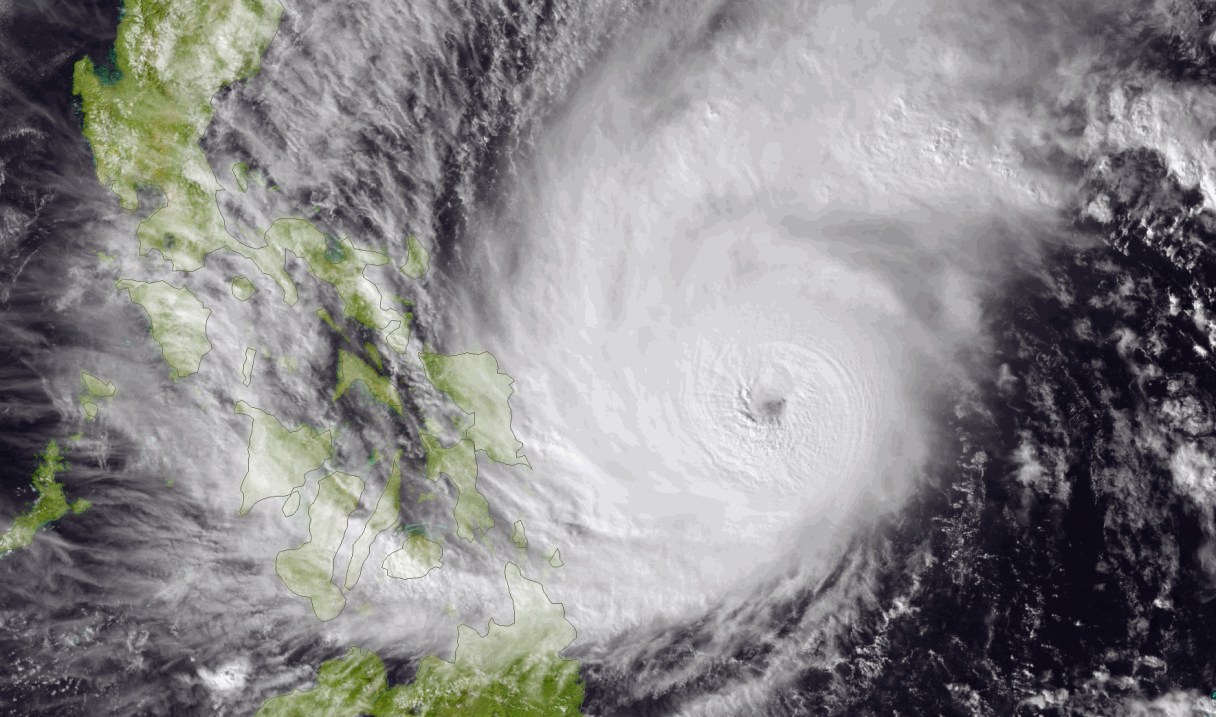
MANILA, Philippines (AP) – Haunted by Typhoon Haiyan’s massive devastation last year, more than 600,000 people fled Philippine villages and the military went on full alert Sunday to brace for a powerful storm only hours away from the country’s eastern coast.
Typhoon Hagupit – Filipino for “smash” or “lash” – was expected to slam into the central Philippines Sunday morning and hammer parts of a region where Haiyan’s tsunami-like storm surges and ferocious winds left more than 7,300 people dead and missing in November last year. The typhoon slightly weakened Saturday but remained dangerously powerful and erratic.
“We’re on red alert so the entire Armed Forces is being mobilized for this typhoon,” Gen. Gregorio Pio Catapang, head of the 120,000-strong military, told a news conference after discussing last-minute preparations.
Army troops deployed to supermarkets and major roads in provinces in the typhoon’s path to prevent looting and chaos and clear debris, all of which slowed the government’s response last year, Catapang said.
Although it’s unlikely to reach Haiyan’s unprecedented strength, forecasters said Hagupit’s maximum sustained winds of 185 kilometer (115 miles) per hour and gusts of 220 kph (137 mph) were strong enough to set off deadly storm surges and landslides and cause heavy damage to communities and agriculture.