
Friday, November 13, 2026Nov 13

Advocates fear impact of Rolling Stone apology

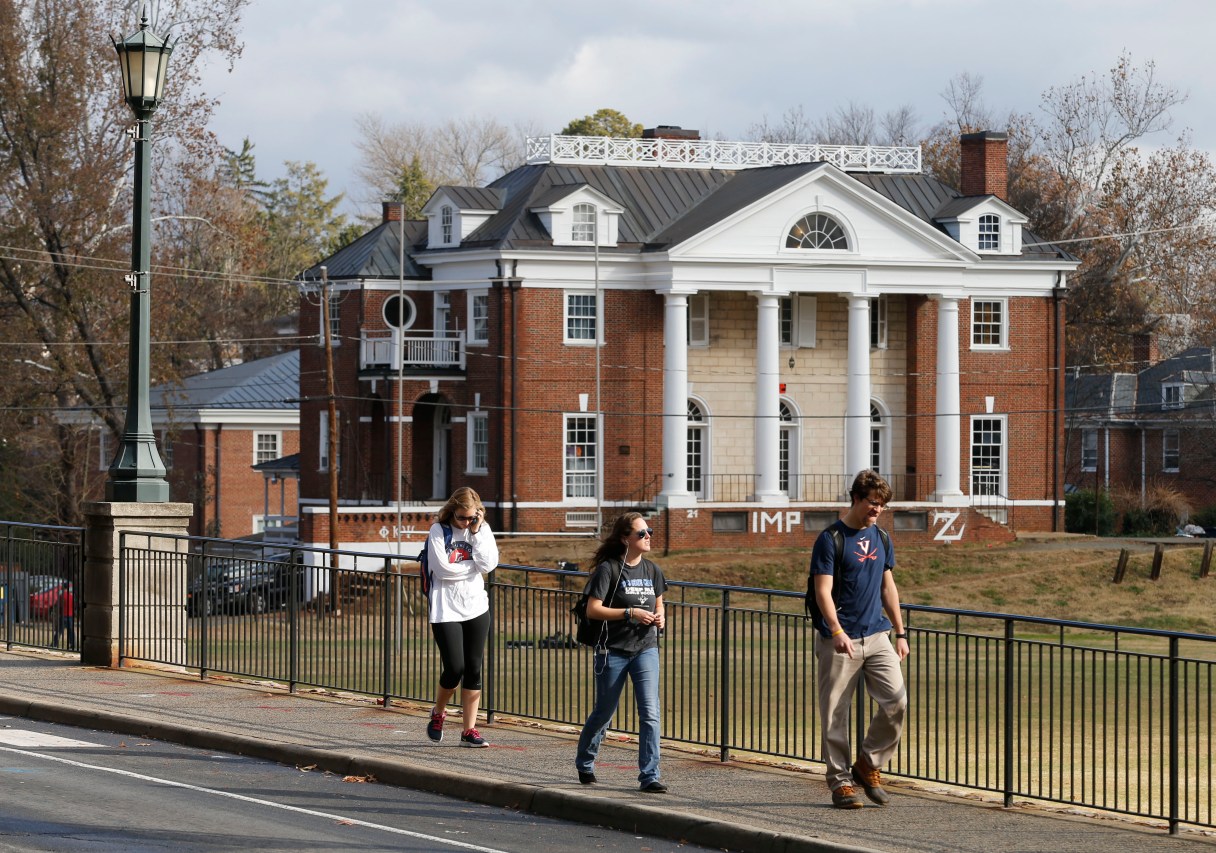
FILE - In this Monday, Nov. 24, 2014, file photo, University of Virginia students walk to campus past the Phi Kappa Psi fraternity house at the University of Virginia in Charlottesville, Va. Rolling Stone is casting doubt on the account it published of a young woman who says she was gang-raped at a Phi Kappa Psi fraternity party at the school, saying there now appear to be discrepancies in the student's account. (AP Photo/Steve Helber, File)
FILE - In this Monday, Nov. 24, 2014, file photo, University of Virginia students walk to campus past the Phi Kappa Psi fraternity house at the University of Virginia in Charlottesville, Va. Rolling Stone is casting doubt on the account it published of a young woman who says she was gang-raped at a Phi Kappa Psi fraternity party at the school, saying there now appear to be discrepancies in the student's account. (AP Photo/Steve Helber, File) FILE - In this Monday, Nov. 24, 2014, file photo, University of Virginia students walk to campus past the Phi Kappa Psi fraternity house at the University of Virginia in Charlottesville, Va. Rolling Stone is casting doubt on the account it published of a young woman who says she was gang-raped at a Phi Kappa Psi fraternity party at the school, saying there now appear to be discrepancies in the student's account. (AP Photo/Steve Helber, File)

CHARLOTTESVILLE, Va. (AP) – Advocates for sexual-assault victims say Rolling Stone’s backpedaling from an explosive account of a gang rape at the University of Virginia doesn’t change the fact that rape is a problem on college campuses and must be confronted – even as some expressed concern that the magazine’s apology could discourage victims from coming forward.

Students, state government and education leaders, meanwhile, pledged to continue ongoing efforts to adequately respond to – and prevent – sexual assaults on campus.

Rolling Stone cast doubt on its story Friday of a gang rape by a woman it identified only as “Jackie,” saying it has since learned of “discrepancies” in her account.

“Our trust in her was misplaced,” the magazine’s editor, Will Dana, wrote in a signed apology.

The lengthy article published last month used Jackie’s case as an example of what it called a culture of sexual violence hiding in plain sight at U.Va.