
Friday, October 30, 2026Oct 30

This story is free to read.

Key dates in US relations with Cuba

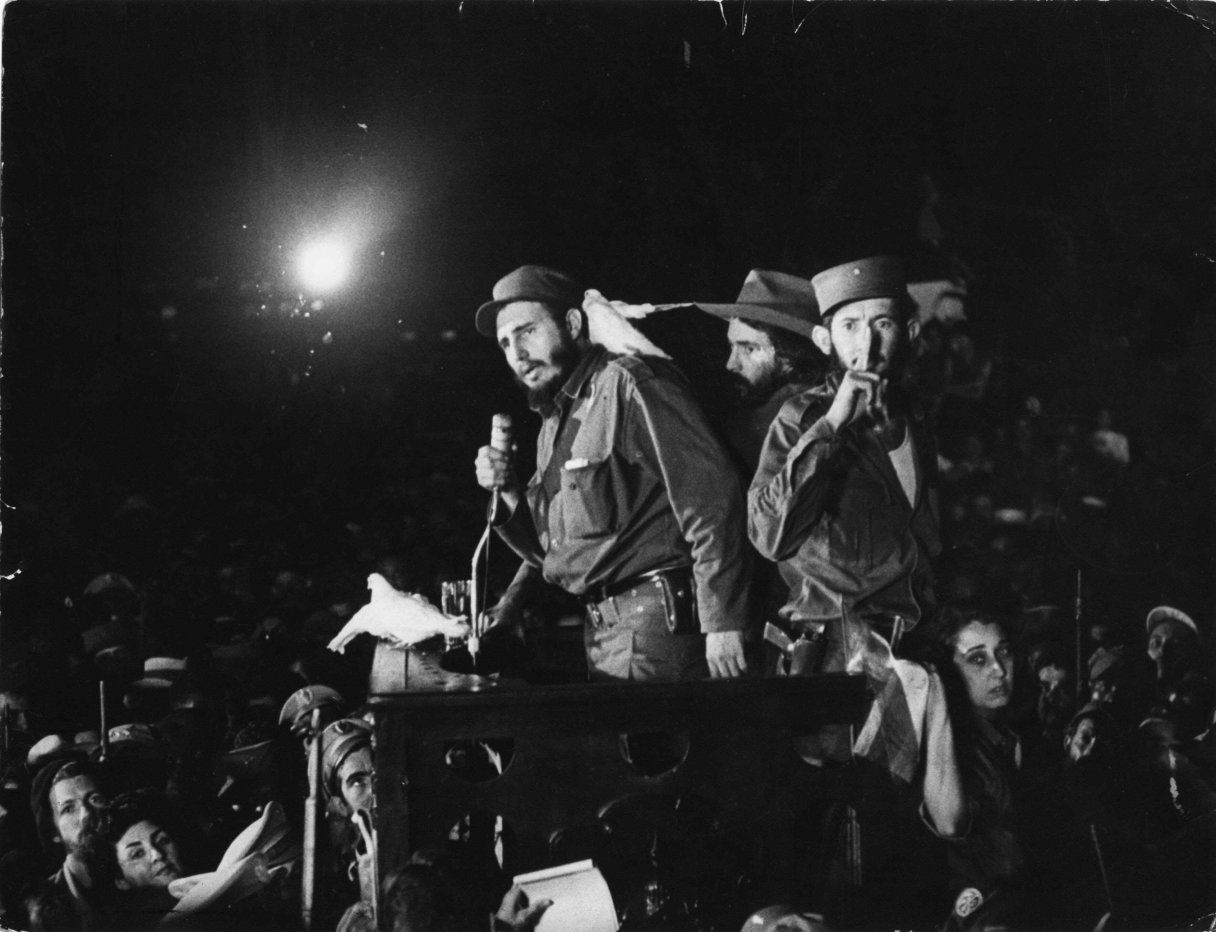
FILE - In this Jan. 8, 1959 file photo, Cuba's Fidel Castro speaks to supporters at the Batista military base "Columbia," now known as Ciudad Libertad, in Cuba. The Cuban revolution triumphed on Jan. 1, 1959 after dictator Fulgencio Batista fled the country and Fidel Castro and his band of rebels descended from the island's eastern mountains, where they waged a guerrilla war against government troops. The United States soon recognized the new government, but two years later on Jan. 3, 1961 broke relations with Cuba and closed its embassy. On Wednesday, Dec. 17, 2014, the U.S. and Cuba agreed to re-establish diplomatic relations and open economic and travel ties, marking a historic shift in U.S. policy toward the communist island after a half-century of enmity dating back to the Cold War. (AP Photo, File)
FILE - In this Jan. 8, 1959 file photo, Cuba's Fidel Castro speaks to supporters at the Batista military base "Columbia," now known as Ciudad Libertad, in Cuba. The Cuban revolution triumphed on Jan. 1, 1959 after dictator Fulgencio Batista fled the country and Fidel Castro and his band of rebels descended from the island's eastern mountains, where they waged a guerrilla war against government troops. The United States soon recognized the new government, but two years later on Jan. 3, 1961 broke relations with Cuba and closed its embassy. On Wednesday, Dec. 17, 2014, the U.S. and Cuba agreed to re-establish diplomatic relations and open economic and travel ties, marking a historic shift in U.S. policy toward the communist island after a half-century of enmity dating back to the Cold War. (AP Photo, File) FILE - In this Jan. 8, 1959 file photo, Cuba's Fidel Castro speaks to supporters at the Batista military base "Columbia," now known as Ciudad Libertad, in Cuba. The Cuban revolution triumphed on Jan. 1, 1959 after dictator Fulgencio Batista fled the country and Fidel Castro and his band of rebels descended from the island's eastern mountains, where they waged a guerrilla war against government troops. The United States soon recognized the new government, but two years later on Jan. 3, 1961 broke relations with Cuba and closed its embassy. On Wednesday, Dec. 17, 2014, the U.S. and Cuba agreed to re-establish diplomatic relations and open economic and travel ties, marking a historic shift in U.S. policy toward the communist island after a half-century of enmity dating back to the Cold War. (AP Photo, File)

Key events in U.S.-Cuba relations:

– Jan. 1, 1959: Fidel Castro’s rebels take power as dictator Fulgencio Batista flees Cuba. The United States soon recognizes the new government.

– June 1960: Relations begin to sour as Castro veers left. Cuba nationalizes U.S.-owned oil refineries after they refuse to process Soviet oil. Nearly all other U.S. businesses are expropriated by October.

– October 1960: Start of U.S. embargo: Washington bans exports to Cuba, other than food and medicine.

– Jan. 3, 1961: U.S. breaks relations with Cuba and closes embassy.