
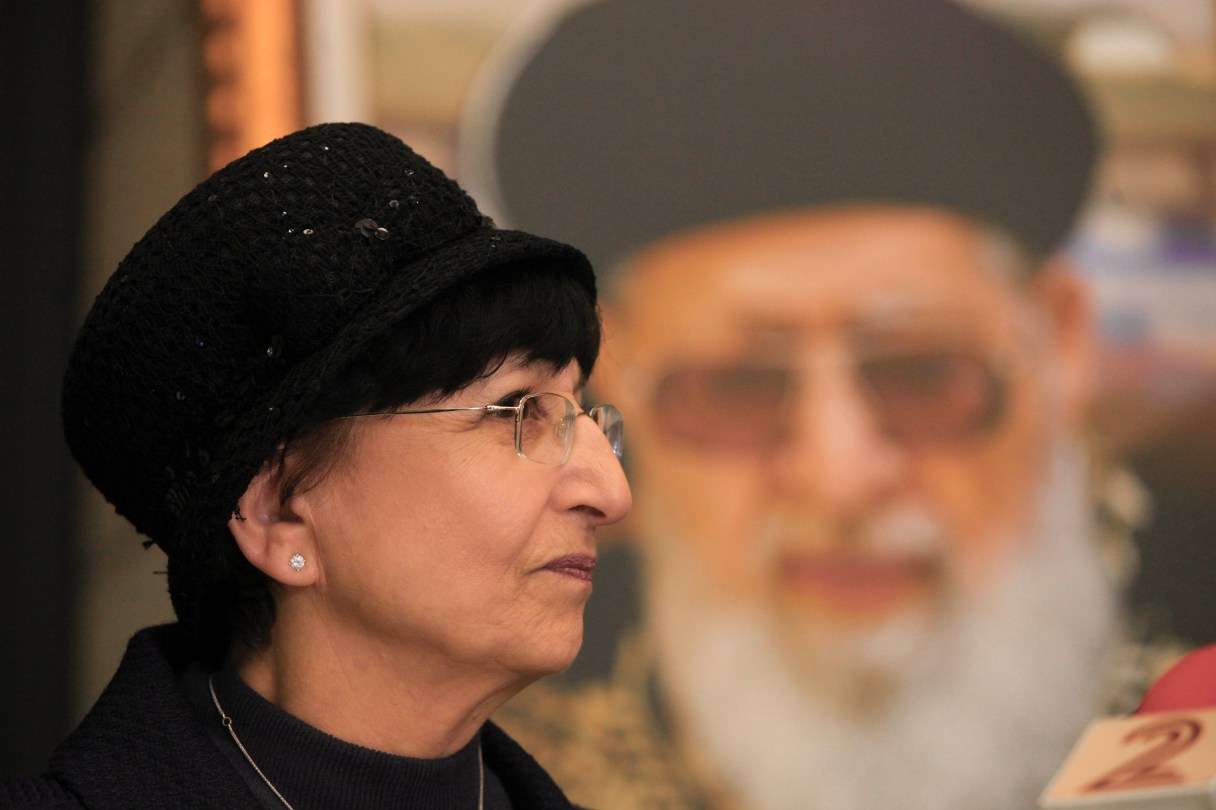
JERUSALEM (AP) – A struggle for women’s rights is brewing within Israel’s deeply conservative ultra-Orthodox community, where women, largely shut out of politics, are beginning to demand greater representation in the country’s parliament.
More than 20 percent of Israeli lawmakers are female, but not one woman serves from the country’s two ultra-Orthodox, or haredi, parties. In haredi communities, women are expected to manage a home, raise children and provide an income for the family, often while the husband studies Torah.
Those beliefs remain firmly entrenched, but in the run-up to the March 17 elections, traditional views of the role of women in haredi politics are being challenged in mainstream and ultra-Orthodox media – a shift that activists say marks a major stride toward more equitable representation.
The two haredi parties in the Knesset, Shas and United Torah Judaism, have long been central players in Israeli coalition governments, often figuring as kingmakers. Each party represents observant Jews who tend to vote based on their rabbis’ instructions, and who largely oppose having women as lawmakers because it would be considered immodest.
Only a few haredi women have served in parliament, but never as members of ultra-Orthodox parties, and those who have served usually faced a backlash from their communities. Women do serve in the Jewish Home party, which mainly represents less conservative Modern Orthodox Jews.