
“What we’re trying to do is start a conversation,” says Daryl Black, Executive Director of the Chattanooga History Center. “Look over here,” he says leading me to a west-facing window in the nearly complete museum space that looks out over the Aquarium breezeway. “Where the Blue Cross building sits-that area used to be a thriving African-American community; one of the most cohesive and dynamic in the South. Now you stand here and look out, it’s a predominately white downtown core and it’s a serious problem.” In fact, standing at that window, I did not have to look far for relics of Chattanooga’s complicated past. Just below us was The Passage. The wide cement staircase cascading with water-a popular place for young children to splash about in summer months- pays homage to the Cherokee and marks the beginning of their forced exodus from the city, known as the Trail of Tears.
The History Center, slated to open this July, attempts to tell the mostly untold story of Chattanooga’s history in a new and dynamic way. The 30,000-square-foot gallery space will feature two theaters, three sound installations and five short films, all of which were directed by New York-based documentarian and Grammy award nominee Damani Baker. Baker has spent the past three years compiling writings and recordings that include an introduction narrated by native-Chattanoogan Samuel L. Jackson, postbellum writings on race relations, interviews on Cherokee reservations and anecdotes from Chattanooga’s key players in the fight for civil rights.
“I hope that people experience seeing themselves as part of the history we are presenting, and the fact that they have a role to play in the city’s future,” Baker says. “Are people going to be angry? Maybe. We’re not asking people to become activists. Maybe just start with conversations at dinner.”
SEE HOW THE STORY UNFOLDS
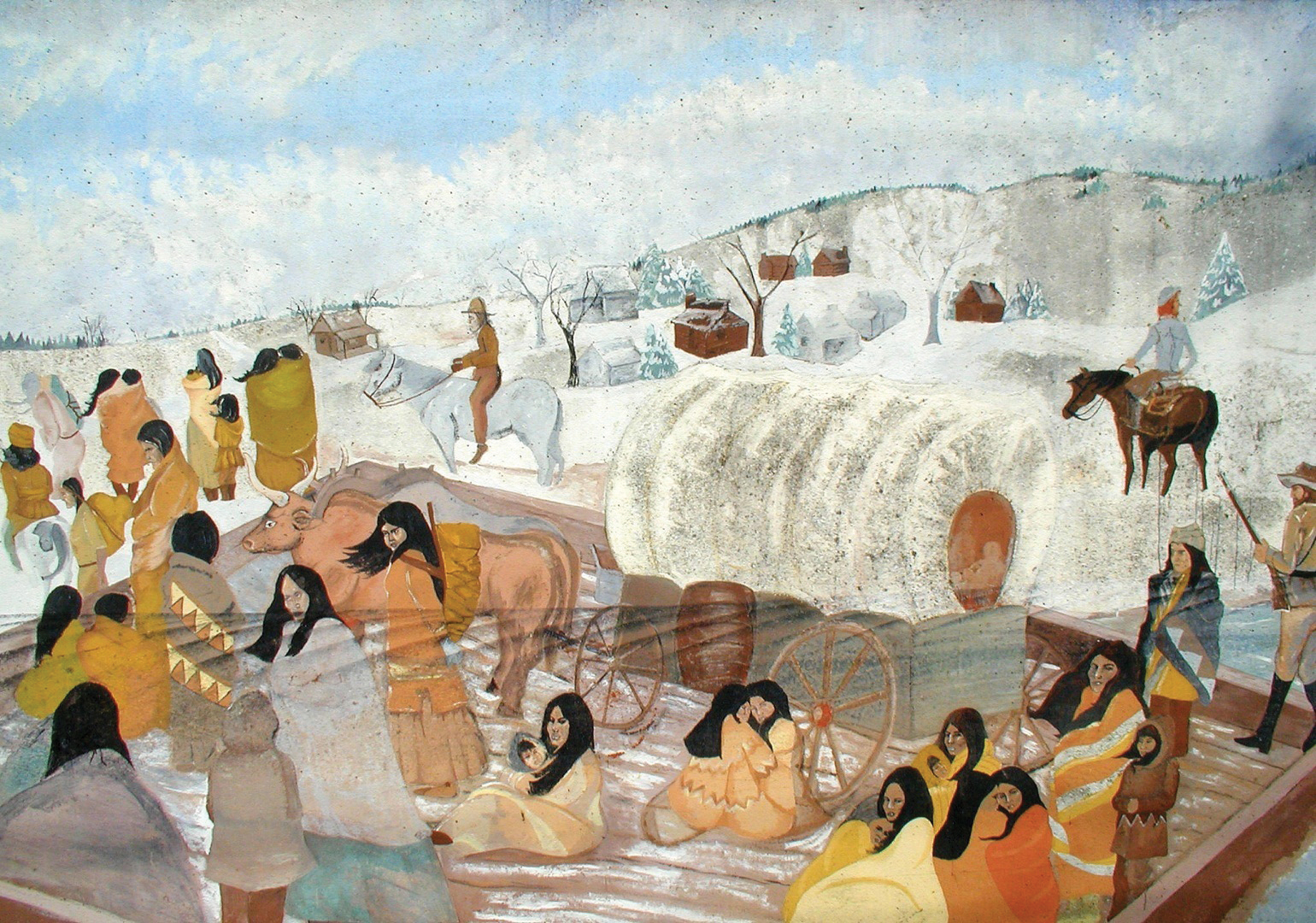
1838 Trail of Tears