
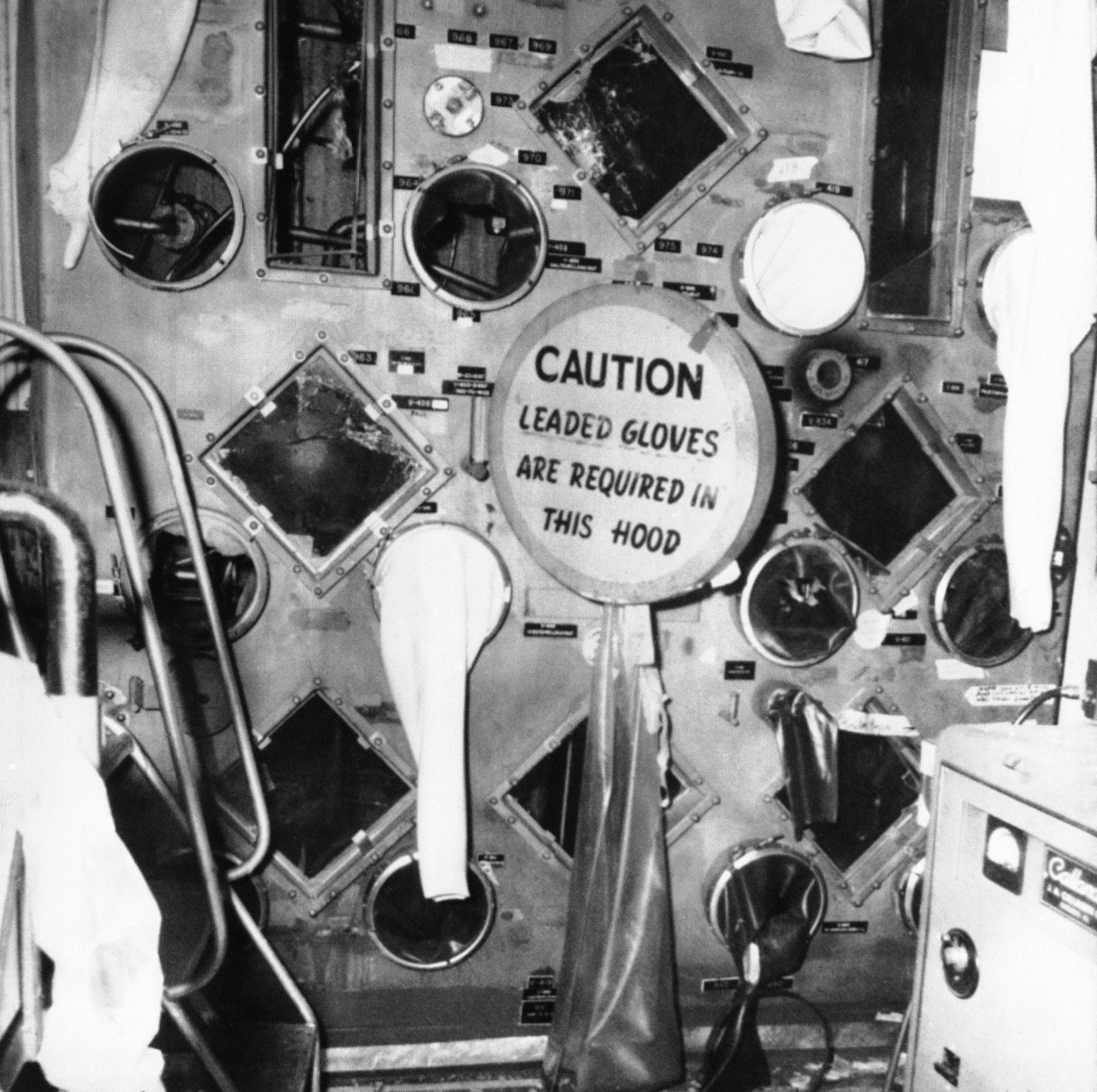
SPOKANE, Wash. (AP) – Workers are preparing to enter one of the most dangerous rooms on the Hanford Nuclear Reservation – the site of a 1976 blast that exposed a technician to a massive dose of radiation, leading to him being nicknamed the “Atomic Man.”
Harold McCluskey was working in the room when a chemical reaction caused a glass glove box to explode. He was exposed to the highest dose of radiation from the chemical element americium ever recorded – 500 times the occupational standard.
Hanford, located in central Washington state, made plutonium for nuclear weapons for decades. The room was used to recover radioactive americium, a byproduct of plutonium.
McCluskey, then 64, was placed in isolation in a decontamination facility for five months. Within a year, his body’s radiation count had fallen by about 80 percent and he was allowed to return home.
Friends at first avoided him until his minister told people it was safe to be around him. He died of coronary artery disease – unrelated to the accident – in 1987 at the age of 75.