
TOKYO (AP) – In one of modern Japan’s biggest changes to security policy, its government decided this week to reinterpret Article 9 of its constitution to allow greater use of military force to defend other countries. The move sparked street protests amid fears it marks a reversal of Japan’s post-World War II pacifist principles.
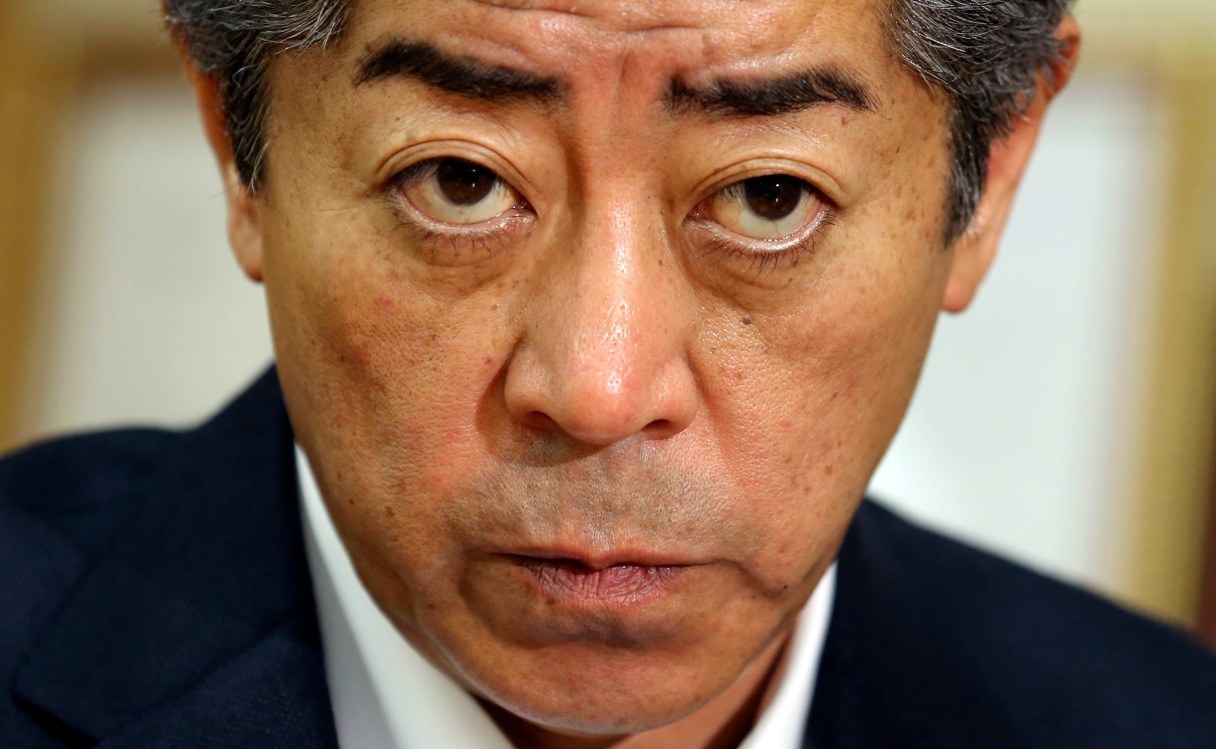
Three experts shared their thoughts with The Associated Press about where Japan’s military is headed and why it is such a sensitive issue: Jeffrey Kingston, head of Asian studies at Temple University Japan; Takeshi Iwaya, chairman of the ruling Liberal Democratic Party’s Research Commission on Security; and Narushige Michishita, director of the Security and International Studies Program at the National Graduate Institute for Policy Studies. Quotes have been edited and condensed.
___
THE ANTIWAR CONSTITUTION
KINGSTON: Article 9 was part of the U.S.-written constitution that banned Japan from maintaining armed forces and resorting to war. Over the years, Japan has actually built up a fairly large and modern defense: navy, air force, army. Also, Japan has stretched the envelope of what’s possible in terms of what it can do in the security realm. But this really is not seen by Washington as enough, and certain conservatives in Japan have long advocated for Japan to develop a more assertive defense posture. So Article 9 is seen to be a constraint on Japan’s desires to up its security profile, and the fact is, Japan does live in a dangerous neighborhood.