
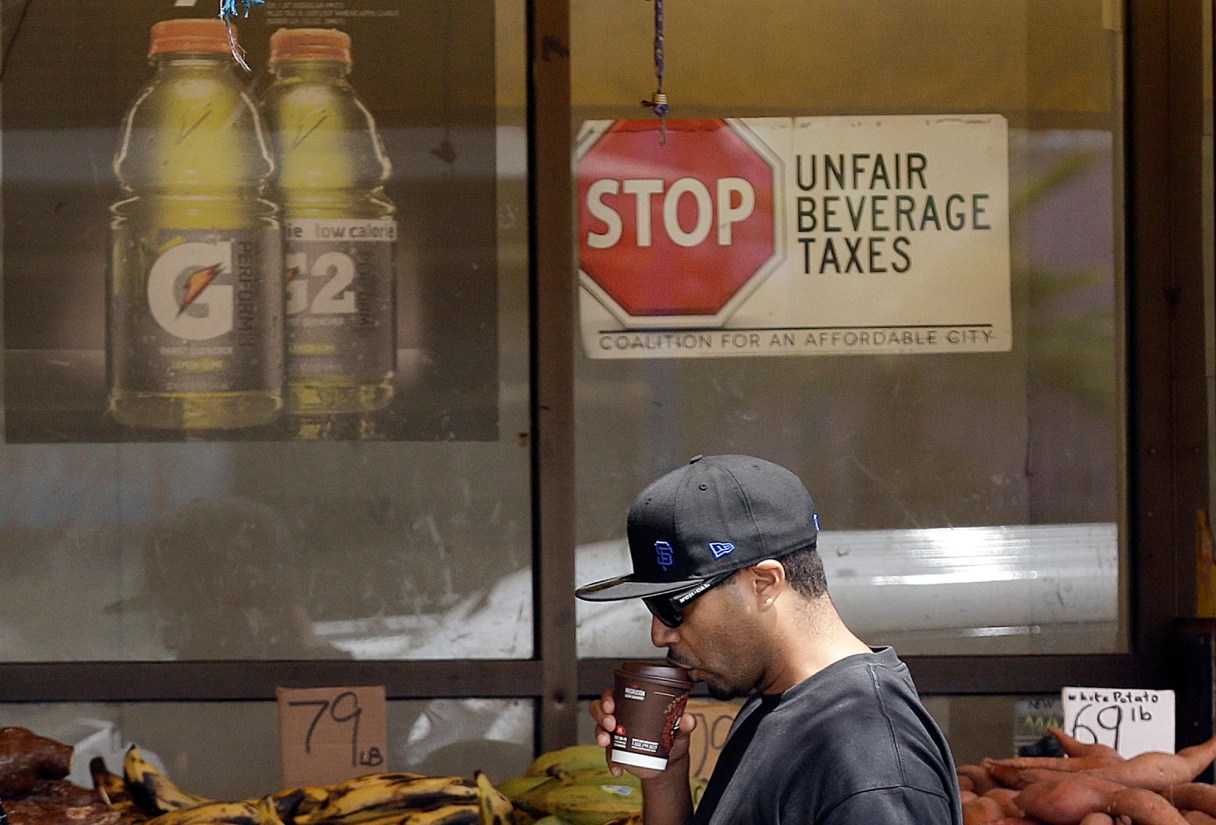
WASHINGTON, D.C. (AP) – If two of the most progressive U.S. cities don’t pass a tax on sugary drinks, will the idea finally fizzle out?
Sugary drinks have been under fire for years, with many blaming them for rising rates of obesity and chronic diseases. Yet efforts to curb consumption by imposing taxes and other measures have failed, in part because the beverage industry has spent millions to defeat the efforts.
Now, the question of whether a bottle of Dr Pepper with 64 grams of sugar should be treated like a pack of cigarettes is being considered in San Francisco and Berkeley, with the two California cities aiming to become the country’s first to pass per-ounce taxes on sugary drinks.
The stakes are high, especially given the Bay Area’s reputation for liberal politics. If approved, Coca-Cola, PepsiCo and other companies fear it could galvanize health advocates elsewhere. If defeated, the idea of a soda tax could be dead.
“The industry is really motivated to beat us here. If they can beat us in San Francisco and Berkeley, nobody is going to take them on,” said Larry Tramutola, the political consultant handling the campaign in support of the tax in Berkeley.