
ATLANTIC CITY, N.J. (AP) – A federal appeals court on Monday cleared the path for seismic testing off the coast of New Jersey that will blast the floor of the Atlantic Ocean with loud noises as part of a climate change research project.
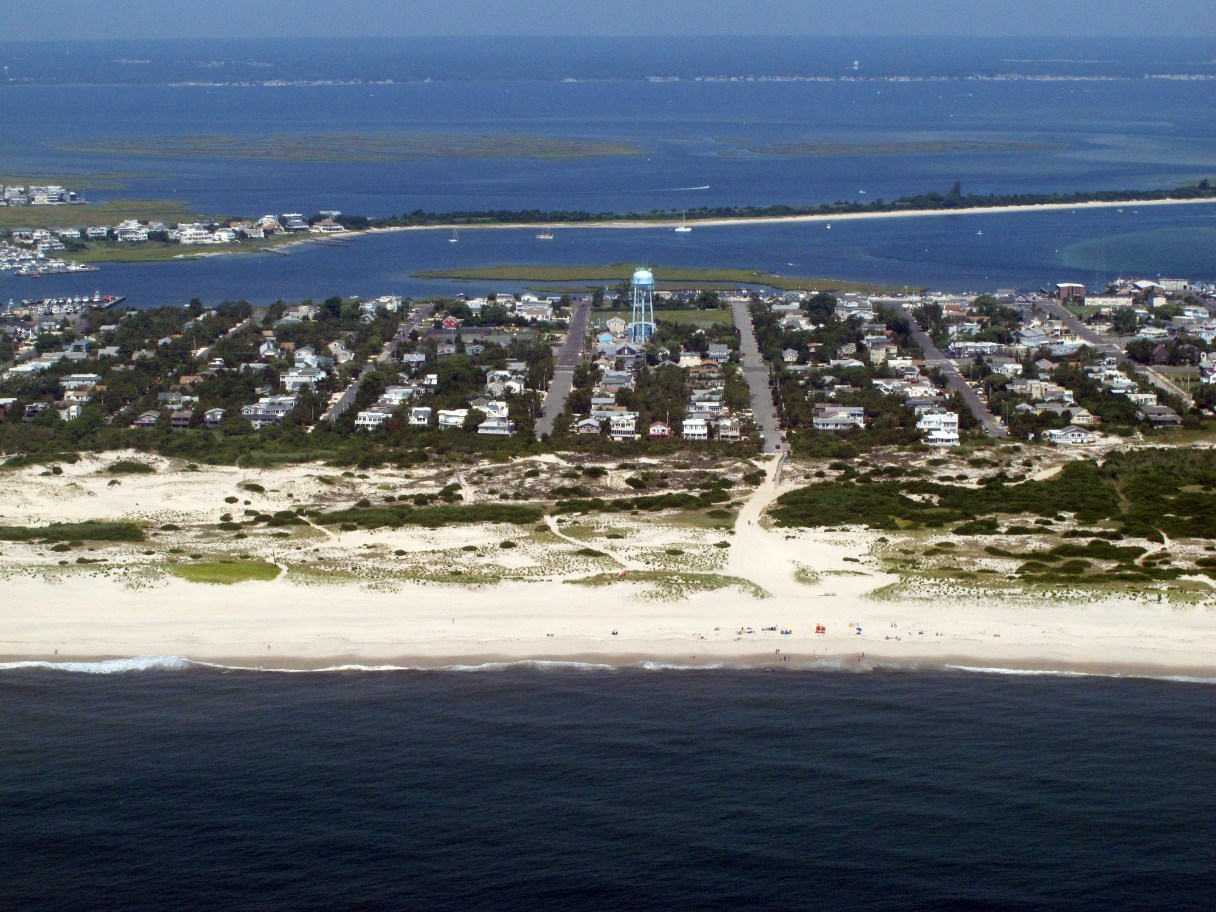
The 3rd Circuit U.S. Court of Appeals rejected New Jersey’s request to block the testing off Long Beach Island, which aims to use acoustic research to examine sediment dating back tens of millions of years. The barrier island stretches along the central New Jersey coast for about 18 miles.
Environmentalists, fishing groups and some elected officials oppose the work, saying it could harm or kill marine life including dolphins, turtles and whales. But the groups planning the research say they will do everything possible to minimize disruptions to marine life, including stopping the project when animals are seen nearby.
“Needless to say, we are extremely disappointed with this ruling and the fact that the federal government is pushing it at this time of year,” said Larry Hajna, a spokesman for the state Department of Environmental Protection, which had sought a court order to block the testing.
“There are too many risks and uncertainties with moving forward with a project like this, particularly in the summer when marine life is most abundant and active,” he said. “We believe this testing will disrupt and harm marine life and fishing, posing a risk to our commercial and recreation fishing industries.”