
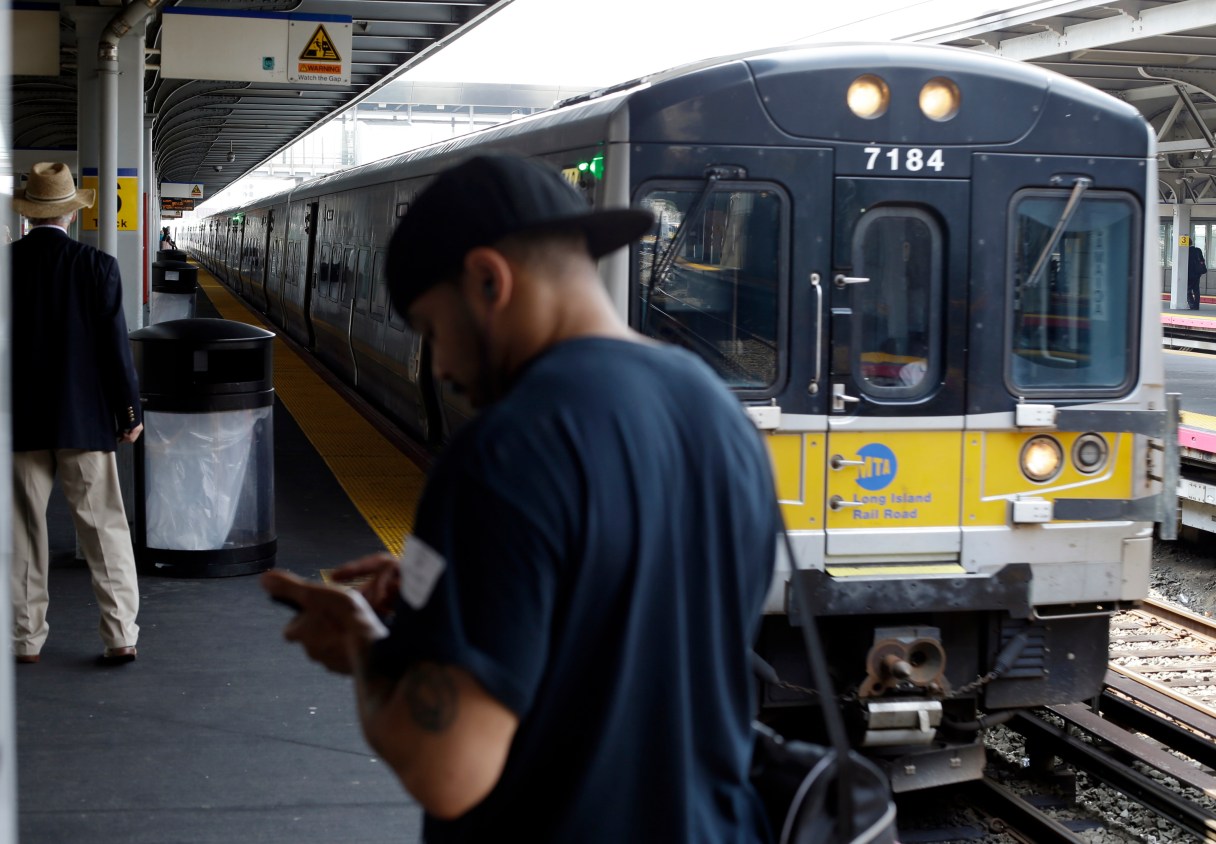
HICKSVILLE, N.Y. (AP) – Anxiety grew among the nearly 300,000 daily riders caught in the middle of a labor dispute as a weekend strike at the nation’s largest commuter railroad grew closer.
The eight unions representing Long Island Rail Road’s 5,400 workers and Metropolitan Transportation Authority managers didn’t negotiate on Tuesday, a day after both sides said talks aimed at averting a 12:01 a.m. Sunday strike had collapsed.
Meanwhile, the head of a commuters’ group complained that riders are being forgotten by both sides amid the feud over pay and contributions to pension and health care plans. Long Island Rail Road Commuter Council Chairman Mark Epstein also said contingency plans for a walkout were providing little comfort.
The MTA last week revealed plans for school buses to take commuters from some Long Island stations to subway stops in New York City, the opening of large park-and-ride lots at Citi Field and Aqueduct racetrack, and a public relations effort aimed at encouraging people to work from home.
“They may be providing us with school buses, but we’re not children,” Epstein said. “Our concern is they stay at the table. No progress can be made when they’re not talking. Our message is return to the table. If the difference is a gap or a gulf, it will not be getting any smaller if they do not talk to each other.”