
Friday, November 13, 2026Nov 13

Bill ensures emails, photos won’t die with you

FILE - This Feb. 16, 2013 file photo shows a printout of the Facebook page for Loren Williams, now deceased, at his mother's home in Beaverton, Ore.  A group of influential lawyers says it has an answer to that pesky question of what should happen to your Facebook, Yahoo and other online accounts when you die. The Uniform Law Commission was expected on Wednesday to endorse a plan that would automatically give loved ones access to all digital accounts, unless otherwise specified in a will. The legislation would have to be adopted by individual state legislatures to become law. But if it does, the bill would make “death switches” popular tools in estate planning, allowing people to decide which accounts should die when they do. “This is something most people don’t think of until they are faced with it. They have no idea what is about to be lost,” said Karen Williams of Beaverton, Oregon, who sued Facebook for access to her 22-year-old son Loren’s account after he died in a 2005 motorcycle accident.  (AP Photo/Lauren Gambino, File)
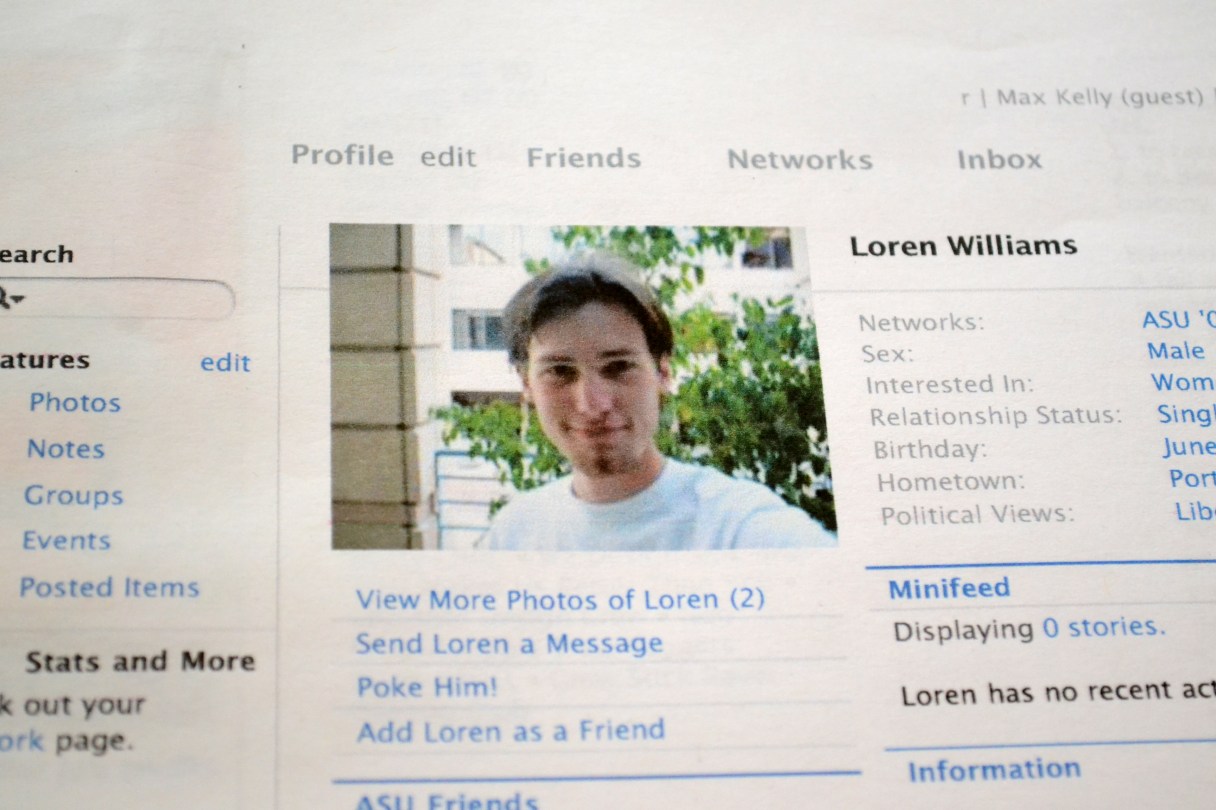
FILE - This Feb. 16, 2013 file photo shows a printout of the Facebook page for Loren Williams, now deceased, at his mother's home in Beaverton, Ore. A group of influential lawyers says it has an answer to that pesky question of what should happen to your Facebook, Yahoo and other online accounts when you die. The Uniform Law Commission was expected on Wednesday to endorse a plan that would automatically give loved ones access to all digital accounts, unless otherwise specified in a will. The legislation would have to be adopted by individual state legislatures to become law. But if it does, the bill would make “death switches” popular tools in estate planning, allowing people to decide which accounts should die when they do. “This is something most people don’t think of until they are faced with it. They have no idea what is about to be lost,” said Karen Williams of Beaverton, Oregon, who sued Facebook for access to her 22-year-old son Loren’s account after he died in a 2005 motorcycle accident. (AP Photo/Lauren Gambino, File)

WASHINGTON (AP) – When you die, should your loved ones have access to your Facebook, Yahoo and other online accounts?

A group of influential lawyers says yes, unless you specify otherwise in a will. The Uniform Law Commission was expected on Wednesday to endorse a plan to automatically give loved ones access to all digital accounts, unless otherwise specified.

To become law in a state, the legislation would have to be adopted by the state’s legislature. But if it does, designating such access could become an important tool in estate planning, allowing people to decide which accounts should die when they do.

The plan is likely to frustrate some privacy advocates, who say people shouldn’t have to draft a will to keep their mom from reviewing their online dating profile or a spouse from reading every email they ever wrote.

“This is something most people don’t think of until they are faced with it. They have no idea what is about to be lost,” said Karen Williams of Beaverton, Oregon, who sued Facebook for access to her 22-year-old son Loren’s account after he died in a 2005 motorcycle accident.