
Monday, November 16, 2026Nov 16

HIV pills show more promise to prevent infection

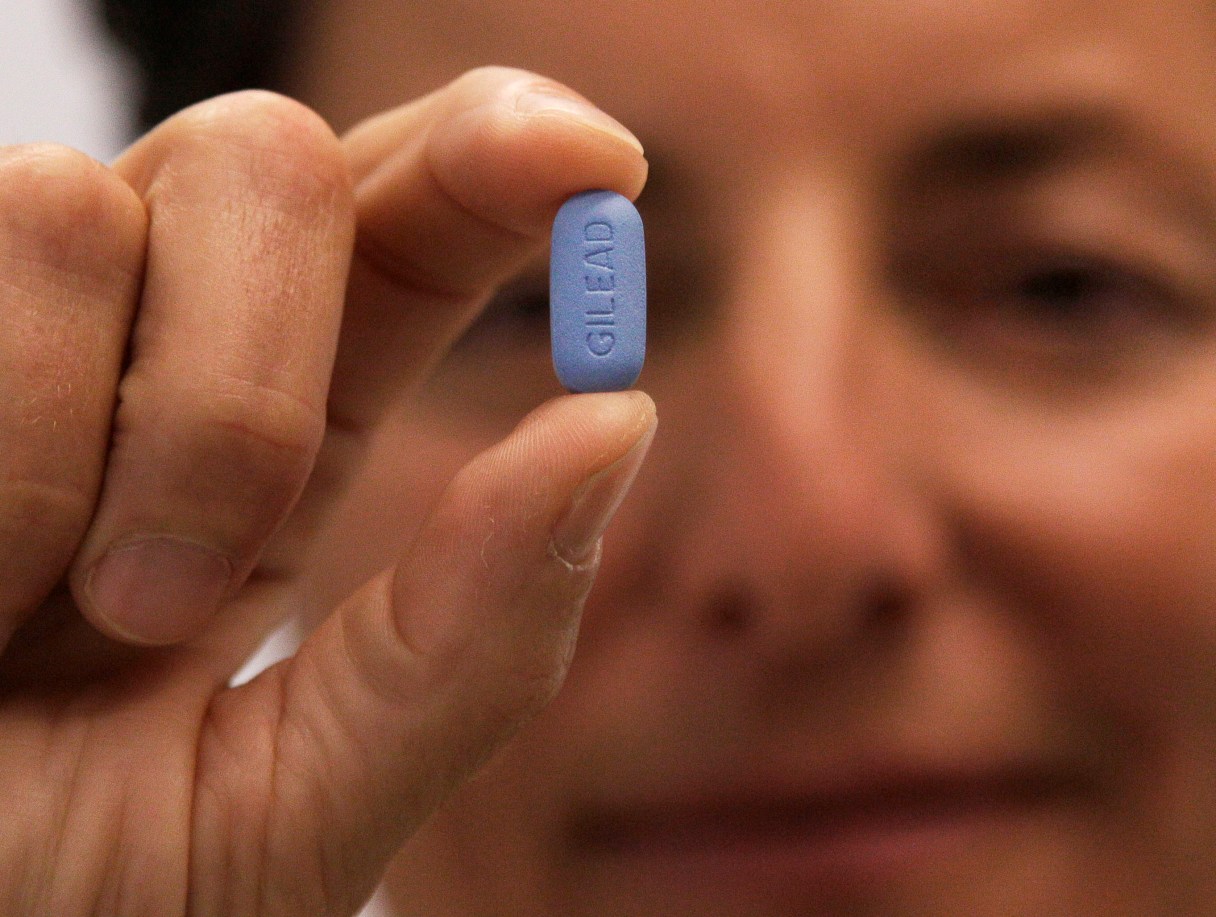
FILE - In this May 10, 2012 file photo, Dr. Lisa Sterman holds up a Truvada pill, an HIV treatment pill used to prevent infection in people at high risk of getting the AIDS virus, at her office in San Francisco. Research showing that the pill does not encourage risky sex and is effective even if people skip some doses was discussed Tuesday, July 22, 2014, at the International AIDS Conference in Melbourne, Australia. The research was published by the British journal Lancet Infectious Diseases (AP Photo/Jeff Chiu, File)

There is more good news about HIV treatment pills used to prevent infection in people at high risk of getting the AIDS virus: Follow-up from a landmark study that proved the drug works now shows that it does not encourage risky sex and is effective even if people skip some doses.

The research was discussed Tuesday at the International AIDS Conference in Melbourne, Australia, and was published by the British journal Lancet Infectious Diseases.

It involves 1,600 gay men and transgender women who took part in the original study showing that daily use of the drug Truvada (true-VAH’-duh) lowered the risk of getting HIV.

After the study ended, they were offered the chance to keep getting the pills for free, and three-quarters of them agreed. All were studied for another 17 months.

None who took the pills at least four days a week became infected. Even use two or three days a week lowered the risk of infection compared to taking the pills less often or not at all. Researchers could tell how often the drug was taken because they measured it in blood samples.