
PORTLAND, Ore. (AP) – Low-income Oregon residents were supposed to be big winners after the state expanded Medicaid under the federal health care overhaul and created a new system to improve the care they received.
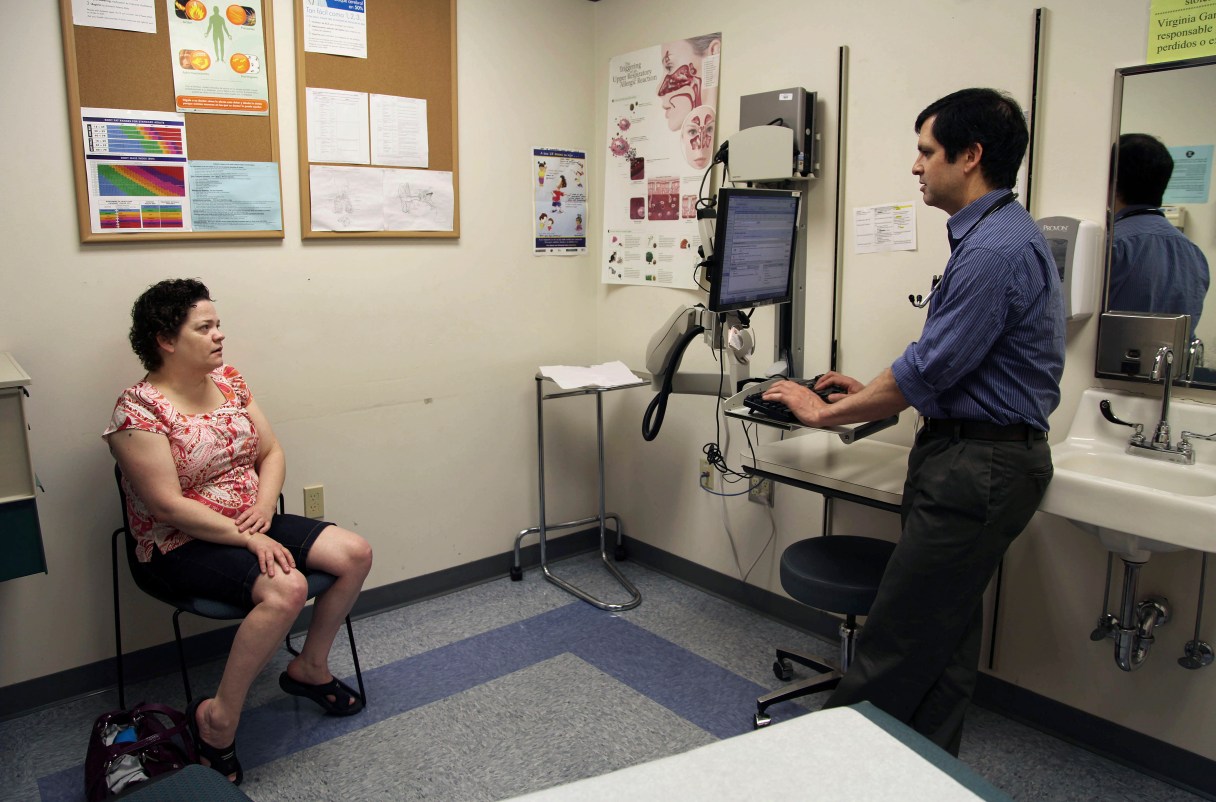
But an Associated Press review shows that an unexpected rush of enrollees has strained the capacity of the revamped network that was endorsed as a potential national model, locking out some patients, forcing others to wait months for medical appointments and prompting a spike in emergency room visits, which state officials had been actively seeking to avoid.
The problems come amid nationwide growing pains associated with the unprecedented restructuring of the U.S. health care system, and they show the effects of a widespread physician shortage on a state that has embraced Medicaid expansion.
It’s too early to tell whether there will be lasting troubles associated with these immediate challenges. Overhaul supporters say they anticipated the need for more doctors and are already implementing solutions to improve access to care. They also point to the crush of new Medicaid enrollees as proof that their efforts are necessary and working.
Still, early indications show clear challenges associated with expanding Medicaid and establishing coordinated care networks, the centerpiece of Gov. John Kitzhaber’s plan to reduce costs and improve care by focusing on primary care and keeping patients out of emergency rooms.