
Wednesday, November 18, 2026Nov 18

Honduran families deported back to a bleak future

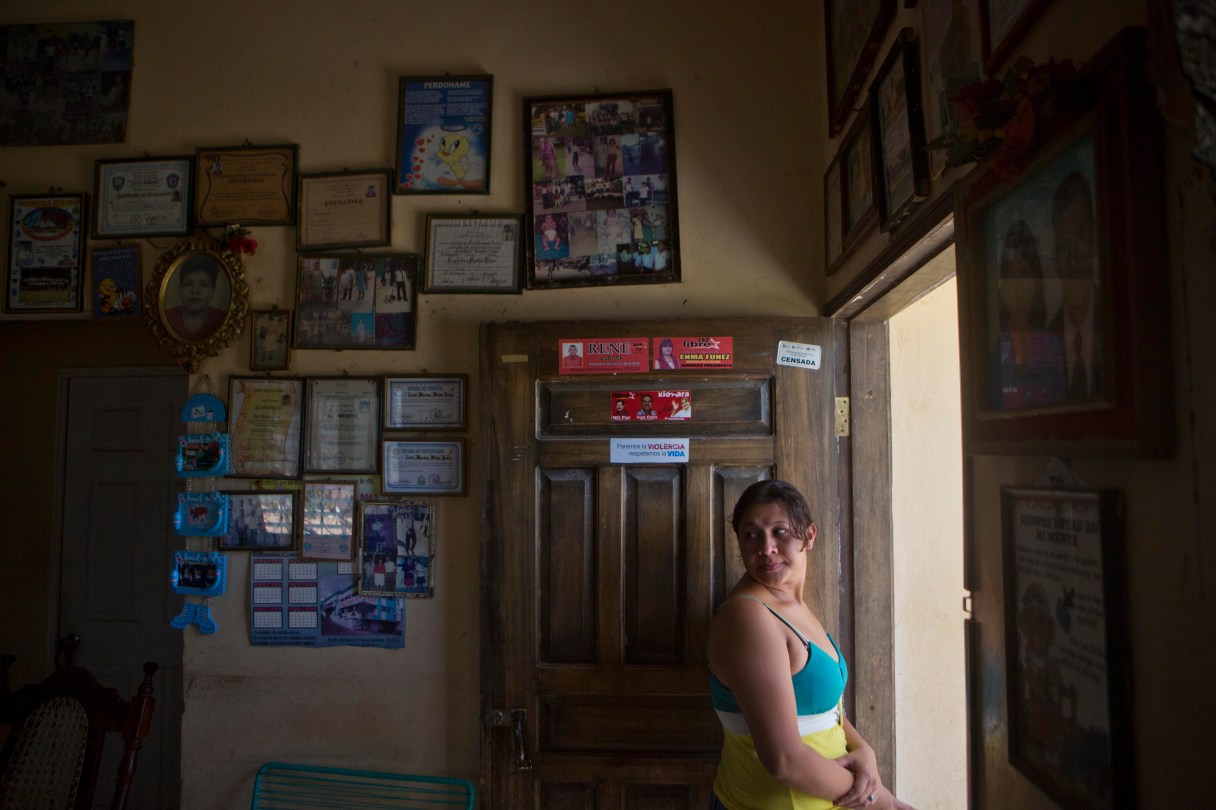
In this Saturday, July 19, 2014 photo, Elsa Ramirez, 27, deported a day earlier from the United States, stands just inside the doorway of her mother's home, in Tocoa, Honduras. Ramirez had heard that mothers traveling to the U.S. with children would be allowed to stay if they made it across the border, so she took off for the north with her 8-year-old daughter, Sandra, and 5-year-old son, Cesar, named for his dead father. (AP Photo/Esteban Felix)

TOCOA, Honduras (AP) – Elsa Ramirez already had lost two brothers to violence in this remote Caribbean region when co-workers handling clandestine cocaine flights from South America murdered her husband four months ago.

Then the killers came looking for her.

Ramirez had seen Facebook messages and heard from relatives that mothers travelling to the United States with children would be allowed to stay if they made it across the border, so she took off for the North with her 8-year-old, Sandra, and 5-year-old Cesar, named for his dead father.

Two weeks and many thousands of miles later, a U.S. Immigration and Customs Enforcement flight brought Ramirez back to the badlands of Honduras in Colon province, still fearing her husband’s killers and now lacking a plan for survival.

“I didn’t want to come back,” she said. “I wanted to give my children a better life and I can’t do that here.”