
Monday, November 16, 2026Nov 16

Russia tensions hurting European companies

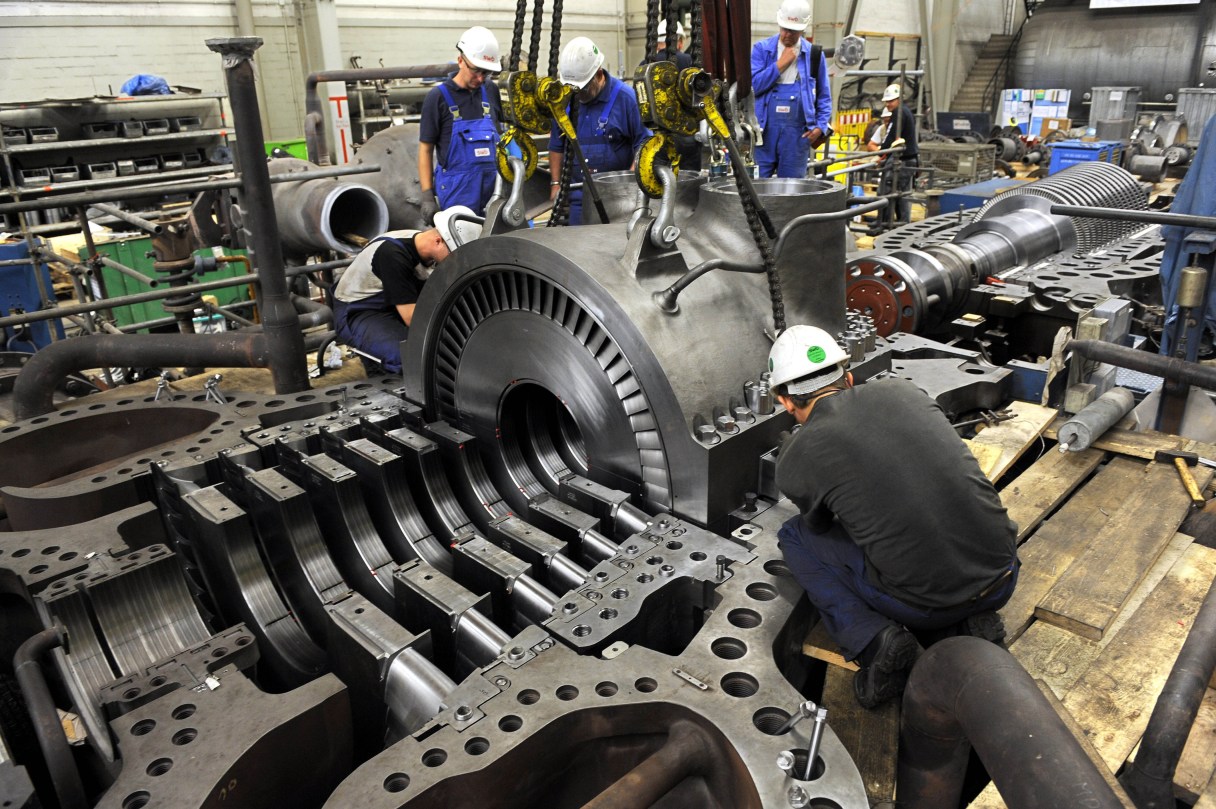
FILE - In this July 31, 2013 file pghoto, technicians assemble a new steam turbine system in the hard coal-fired power station 'Block 6' of energy provider swb AG at the industrial harbour in Bremen, Germany. A group representing Germany’s machinery industry revised its output forecast sharply lower on Thursday, July 31 2014, pointing to the effects of political tension with Russia and the wider uncertainty it has caused. The VDMA group said it now expects production of machinery to grow by about 1 percent this year, rather than the 3 percent it previously predicted. (AP Photo/dpa, Ingo Wagner, File)

BERLIN (AP) – Russia’s standoff with the West is hurting European companies, from heavy industry to sports goods makers, even before the latest sanctions have a chance to take effect.

A group representing Germany’s machinery industry cut its output forecast sharply on Thursday, pointing to the uncertainty caused by political tension with Russia over its alleged role in destabilizing Ukraine. A profit warning from sports goods maker Adidas underlined wider unease over the crisis.

“The conflict with Russia is not just leaving tracks in bilateral trade – it is generally hindering demand in important sales markets for our industry,” said Ralph Wiechers, chief economist for the VDMA, the industry group.

VDMA now expects production of machinery to grow by about 1 percent this year, rather than the 3 percent it predicted in October, before the crisis over Ukraine erupted. Machinery is a leading component of German exports to Russia, accounting for nearly a quarter of last year’s total.

The oil industry is also on alert. Earlier this week, British oil company BP said sanctions against Moscow could weaken its earnings.