
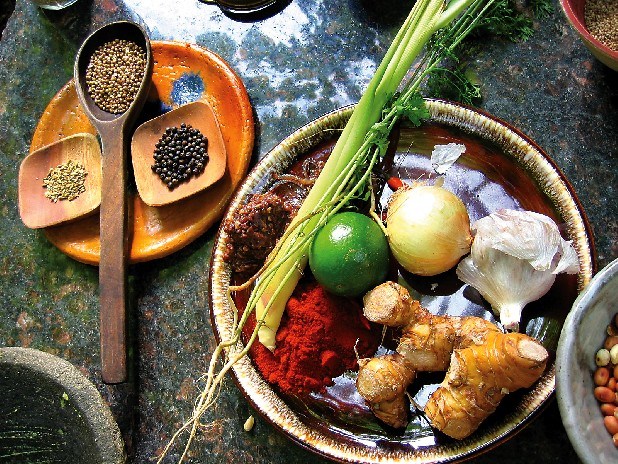
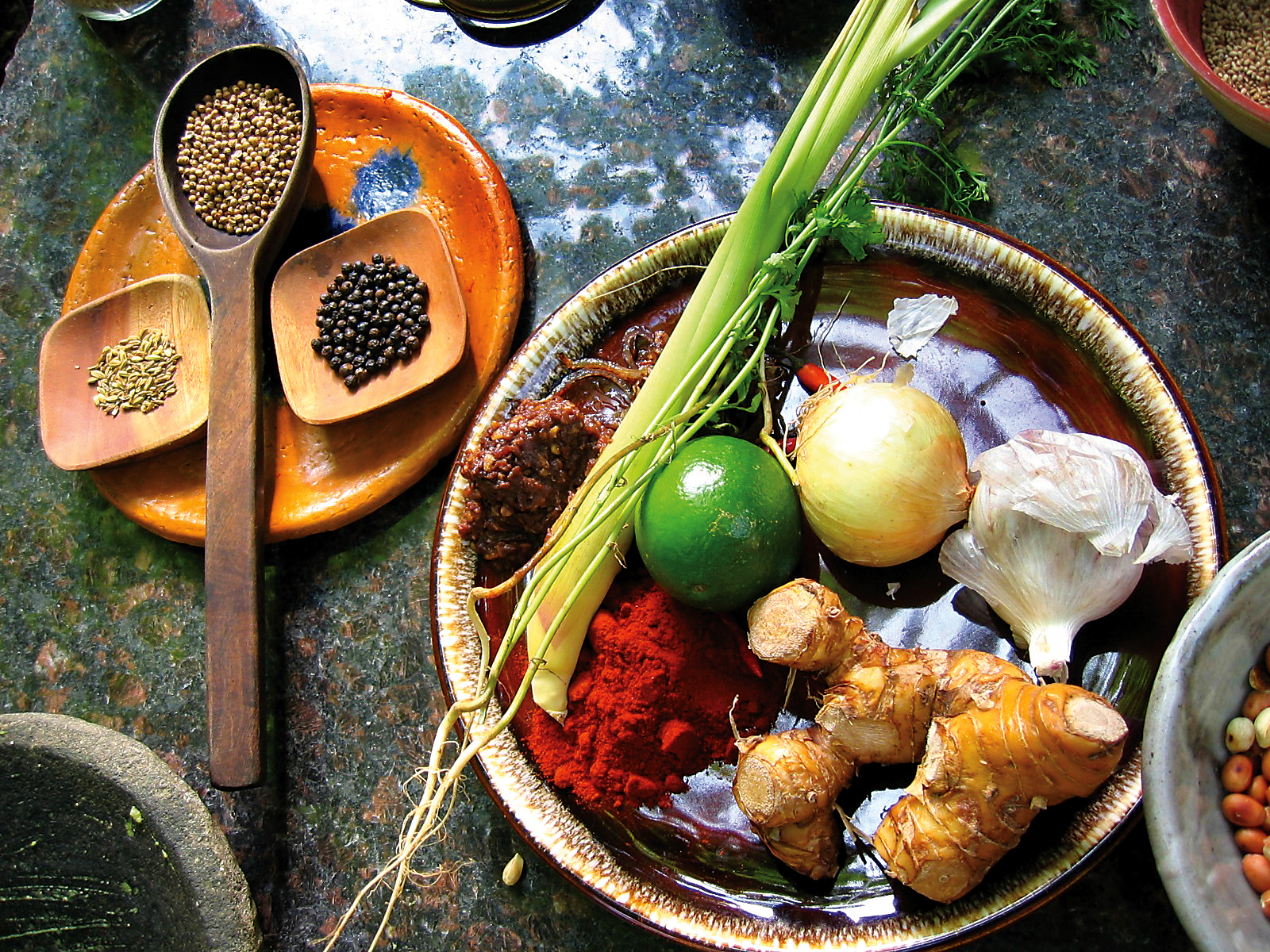
 Finding, growing, using and sustaining the Earth’s food and drink is a major component of this weekend’s Food
for Life event.
IF YOU GO• What: Food for Life• When: Friday-Sunday; registration begins at 10 a.m. Friday• Where: Sequatchie Valley Institute, 1233 Cartwright Loop, Whitwell, Tenn.• How much: Workshops range in a sliding scale from $25-$50 adults per adult per day and $5-$20 per child; meals are included; call for individual workshop times and costs; $10 camping fee for the weekend with sliding scales are available• Information: svionline.org, 423-949-4598 or marissa@svionline.orgWORKSHOPSHere is a list of some of the workshops at Food for Life:• The Yoga of Plants with Eric Lewis• Sandor Katz and the Art of Fermentation• Backyard Butchery with Merryfield’s Farm• Fermented Beverages with Marissa Percoco• The Ins & Outs of Scavenging with Chucky Peace Eagle• Debunking Food Myths with Kaleb Wallace• Wild Earth Medicine with Alan Powell• Medicine, Mead and Magick with Patrick Ironwood and Marissa PercocoSource: Sequatchie Valley Institute
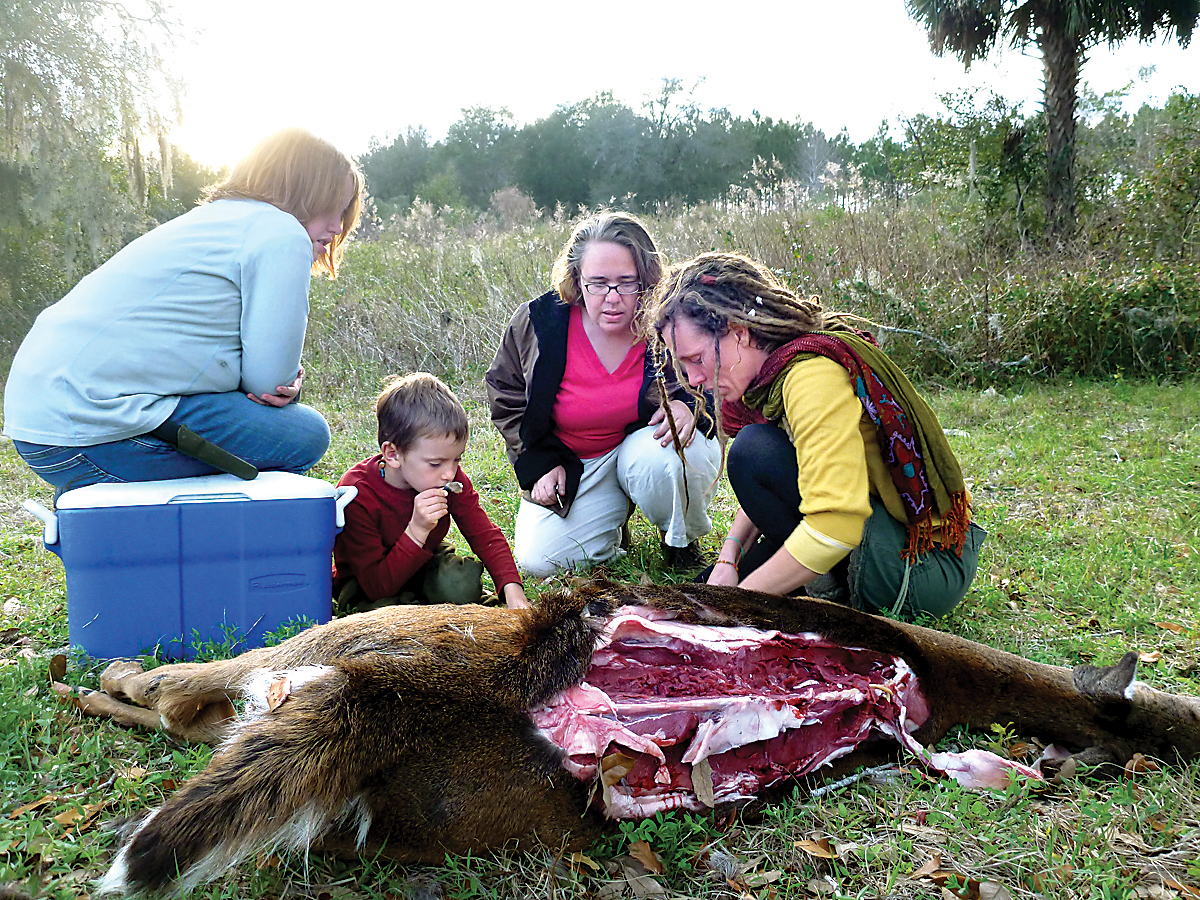 Workshops at Food for Life include one on how to butcher an animal, such as a deer. This year, Brian and Katherine Merryfield will show attendees where and what to cut on a hog while explaining each piece of meat.
If you get Marissa Percoco talking about food, be prepared.
She doesn’t need to warm up to the topic; she’ll leap right in at a mile a minute, punctuating her statements with frequent laughter.
On this particular day, she’s discussing fermentation, a subject with which she’s intimately familiar, not only having fermented various types of food and drink for herself over the years, but also having taught workshops that give others the tools and knowledge they need for the process. Fermentation converts sugars to acids, gases and alcohol by using cultures of bacteria, including the familiar yeast.
“I teach fermentation 101 a lot,” she says. “I talk about why fermentation is important for what we eat and why it is important culturally, too.